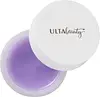
This hydrating lip mask is formulated around Bis-Diglyceryl Polyacyladipate-2 and Butyrospermum Parkii Butter to hydrate lips and strengthen the lip barrier.
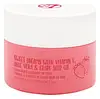
This hydrating lip mask is formulated around Vitis Vinifera Seed Oil to hydrate lips and calm redness.


What's inside
What's inside
 Key Ingredients
Benefits
Concerns
Ingredients Side-by-side
Diisostearyl Malate
EmollientPentaerythrityl Tetraisostearate
Emollient

Bis-Diglyceryl Polyacyladipate-2
Emollient
Polybutene
Microcrystalline Wax
Emulsion StabilisingPolyglyceryl-2 Triisostearate
Emulsifying
Butyrospermum Parkii Butter
Skin Conditioning



Isostearyl Isostearate
Emollient
Hydrogenated Polyisobutene
EmollientTocopheryl Acetate
Antioxidant


Helianthus Annuus Seed Oil
Emollient
Argania Spinosa Kernel Oil
Emollient


Lavandula Angustifolia Oil
Masking



Phenoxyethanol
Preservative
Caprylyl Glycol
Emollient
Ethylhexylglycerin
Skin ConditioningPentaerythrityl Tetra-Di-T-Butyl Hydroxyhydrocinnamate
Antioxidant
CI 45410
Cosmetic ColorantTitanium Dioxide
Cosmetic Colorant

CI 77891
Cosmetic ColorantAluminum Hydroxide
EmollientBlue 1 Lake
Cosmetic ColorantCI 42090
Cosmetic ColorantTocopherol
Antioxidant

Alumina
Abrasive
Diisostearyl Malate, Pentaerythrityl Tetraisostearate, Bis-Diglyceryl Polyacyladipate-2, Polybutene, Microcrystalline Wax, Polyglyceryl-2 Triisostearate, Butyrospermum Parkii Butter, Isostearyl Isostearate, Hydrogenated Polyisobutene, Tocopheryl Acetate, Helianthus Annuus Seed Oil, Argania Spinosa Kernel Oil, Lavandula Angustifolia Oil, Phenoxyethanol, Caprylyl Glycol, Ethylhexylglycerin, Pentaerythrityl Tetra-Di-T-Butyl Hydroxyhydrocinnamate, CI 45410, Titanium Dioxide, CI 77891, Aluminum Hydroxide, Blue 1 Lake, CI 42090, Tocopherol, Alumina
Ethylhexyl Palmitate
Emollient
Polyisobutene
Hydrogenated Styrene/Isoprene Copolymer
Hydrogenated Poly(C6-20 Olefin)
Abrasive
Polyethylene
Abrasive
Methyl Hydrogenated Rosinate
Perfuming
Vitis Vinifera Seed Oil
Emollient
Paraffinum Liquidum
Emollient
Phytosteryl Oleate
Skin ConditioningTocopheryl Acetate
Antioxidant
Octyldodecanol
Emollient
Aroma
Alcohol
Antimicrobial

Neotame
MaskingBenzyl Benzoate
Antimicrobial
Cocos Nucifera Oil
Masking
Aloe Barbadensis Leaf Extract
Emollient
Benzyl Alcohol
Perfuming
Limonene
Perfuming
CI 16035
Cosmetic ColorantCI 77891
Cosmetic ColorantCI 19140
Cosmetic ColorantEthylhexyl Palmitate, Polyisobutene, Hydrogenated Styrene/Isoprene Copolymer, Hydrogenated Poly(C6-20 Olefin), Polyethylene, Methyl Hydrogenated Rosinate, Vitis Vinifera Seed Oil, Paraffinum Liquidum, Phytosteryl Oleate, Tocopheryl Acetate, Octyldodecanol, Aroma, Alcohol, Neotame, Benzyl Benzoate, Cocos Nucifera Oil, Aloe Barbadensis Leaf Extract, Benzyl Alcohol, Limonene, CI 16035, CI 77891, CI 19140
Reviews
Ingredients Explained
These ingredients are found in both products.
Ingredients higher up in an ingredient list are typically present in a larger amount.
Ci 77891 is a white pigment from Titanium dioxide. It is naturally found in minerals such as rutile and ilmenite.
It's main function is to add a white color to cosmetics. It can also be mixed with other colors to create different shades.
Ci 77891 is commonly found in sunscreens due to its ability to block UV rays.
Learn more about CI 77891Tocopheryl Acetate is a stable, shelf-friendly form of vitamin E.
Formulators love it because plain vitamin E oxidizes quickly once it hits air. This acetate version stays stable and resists going off, helping to extend a product's shelf life.
It's actually inactive on its own and works like a slow-release "storage" form; the enzymes in your skin called esterases gradually convert it into active vitamin E over time.
One in vivo study showed 5% of the acetate in the living layer of the epidermis converted to vitamin E after 5 days of application. This study also found the skin gained protection against UV damage even though the conversion was slow and small.
Once converted, vitamin E acts as a skin's main fat-soluble antioxidant that fights free radicals to protect skin from damage.
Topical vitamin E generally boosts the skin's photoprotection, and it reduced UV-damage in animal models.
This ingredient has some brightening potential but it's more of a prevention ingredient than spot-fader. Cell studies show it can slow down melanin production but it's worth noting that it's not the most powerful brightener out there.
Overall, it has a pretty solid safety profile and has been found to be non-irritating and non-comedogenic. Allergic reactions may happen but stay rare due to how widely the ingredient gets used.
The concentration will vary depending on the formula; industry data shows 0.1% in baby lotions, 3% in lipsticks, and 5% in foot powders. You can also find this ingredient at 100% in a pure vitamin E oil.
Most leave-on skincare keeps it at the lower end, often between 0.5-1%.
Learn more about Tocopheryl Acetate

