Versed Stroke Of Brilliance Brightening Serum Versus Tula Skincare Brightening Treatment Drops Triple Vitamin C Serum
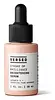
This brightening serum is formulated around Glycyrrhiza Glabra Root Extract and Sodium Ascorbyl Phosphate to brighten dull-looking skin and fade the look of dark spots.
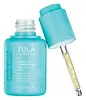
This brightening serum is formulated around 3-O-Ethyl Ascorbic Acid and Lactococcus Ferment Lysate to brighten dull-looking skin and fade the look of dark spots.

What's inside
What's inside
 Key Ingredients
Benefits
Concerns
Ingredients Side-by-side
Water
Skin ConditioningPropylene Glycol
Humectant


Dipropylene Glycol
HumectantGlycyrrhiza Glabra Root Extract
Bleaching





Sodium Ascorbyl Phosphate
Antioxidant




Niacinamide
Smoothing


Citric Acid
Buffering
Palmaria Palmata Extract
Skin Protecting
Sodium Hyaluronate
Humectant
Polyacrylate Crosspolymer-6
Emulsion StabilisingPhenoxyethanol
Preservative
Xanthan Gum
EmulsifyingTrisodium Ethylenediamine Disuccinate
ChelatingGlycerin
Humectant
Curcuma Longa Root Extract
Antioxidant
1,2-Hexanediol
Skin Conditioning
Potassium Sorbate
Preservative
Sodium Benzoate
Masking
Water, Propylene Glycol, Dipropylene Glycol, Glycyrrhiza Glabra Root Extract, Sodium Ascorbyl Phosphate, Niacinamide, Citric Acid, Palmaria Palmata Extract, Sodium Hyaluronate, Polyacrylate Crosspolymer-6, Phenoxyethanol, Xanthan Gum, Trisodium Ethylenediamine Disuccinate, Glycerin, Curcuma Longa Root Extract, 1,2-Hexanediol, Potassium Sorbate, Sodium Benzoate
Water
Skin Conditioning3-O-Ethyl Ascorbic Acid
Skin Conditioning
Lactococcus Ferment Lysate
Skin Conditioning
Propanediol
Solvent
1,2-Hexanediol
Skin Conditioning
Ascorbyl Glucoside
Antioxidant
Sodium Citrate
BufferingPentylene Glycol
Skin Conditioning
Cichorium Intybus Root Extract
MaskingMelia Azadirachta Leaf Extract
Skin ConditioningMelia Azadirachta Flower Extract
Skin ConditioningCorallina Officinalis Extract
Skin Conditioning
Curcuma Longa Root Extract
Antioxidant
Ocimum Basilicum Flower/Leaf Extract
TonicLactic Acid
Buffering
Ocimum Sanctum Leaf Extract
Skin ConditioningVaccinium Vitis-Idaea Fruit Extract
Antioxidant
Citrus Unshiu Peel Extract
MaskingHippophae Rhamnoides Fruit Extract
Skin Conditioning
Litchi Chinensis Seed Extract
Skin ConditioningMangifera Indica Leaf Extract
Skin ConditioningGold
Cosmetic ColorantGlutathione
Hydroxyacetophenone
Antioxidant
Acetyl Cysteine
Antioxidant
Sodium Sulfite
Preservative
Sorbitol
Humectant
Citric Acid
Buffering
Sclerotium Gum
Emulsion StabilisingXanthan Gum
EmulsifyingCaprylyl Glycol
Emollient
Ascorbic Acid
Antioxidant
Sodium Phytate
ChelatingLecithin
Emollient
Pullulan
Silica
Abrasive
Sodium Chloride
MaskingSodium Benzoate
Masking
Water, 3-O-Ethyl Ascorbic Acid, Lactococcus Ferment Lysate, Propanediol, 1,2-Hexanediol, Ascorbyl Glucoside, Sodium Citrate, Pentylene Glycol, Cichorium Intybus Root Extract, Melia Azadirachta Leaf Extract, Melia Azadirachta Flower Extract, Corallina Officinalis Extract, Curcuma Longa Root Extract, Ocimum Basilicum Flower/Leaf Extract, Lactic Acid, Ocimum Sanctum Leaf Extract, Vaccinium Vitis-Idaea Fruit Extract, Citrus Unshiu Peel Extract, Hippophae Rhamnoides Fruit Extract, Litchi Chinensis Seed Extract, Mangifera Indica Leaf Extract, Gold, Glutathione, Hydroxyacetophenone, Acetyl Cysteine, Sodium Sulfite, Sorbitol, Citric Acid, Sclerotium Gum, Xanthan Gum, Caprylyl Glycol, Ascorbic Acid, Sodium Phytate, Lecithin, Pullulan, Silica, Sodium Chloride, Sodium Benzoate
Reviews
Ingredients Explained
These ingredients are found in both products.
Ingredients higher up in an ingredient list are typically present in a larger amount.
1,2-Hexanediol is a synthetic liquid and another multi-functional powerhouse.
It is a:
- Humectant, drawing moisture into the skin
- Emollient, helping to soften skin
- Solvent, dispersing and stabilizing formulas
- Preservative booster, enhancing the antimicrobial activity of other preservatives
Citric Acid is an alpha hydroxy acid (AHA) naturally found in citrus fruits like oranges, lemons, and limes.
Like other AHAs, citric acid can exfoliate skin by breaking down the bonds that hold dead skin cells together. This helps reveal smoother and brighter skin underneath.
However, this exfoliating effect only happens at high concentrations (20%) which can be hard to find in cosmetic products.
Due to this, citric acid is usually included in small amounts as a pH adjuster. This helps keep products slightly more acidic and compatible with skin's natural pH.
In skincare formulas, citric acid can:
While it can provide some skin benefits, research shows lactic acid and glycolic acid are generally more effective and less irritating exfoliants.
Most citric acid used in skincare today is made by fermenting sugars (usually from molasses). This synthetic version is identical to the natural citrus form but easier to stabilize and use in formulations.
Rosacea skin has a lower threshold for acids generally, with 62.5% of rosacea subjects in one study reacting to lactic acid in a sting test. This is why we mark citric acid as a potential rosacea trigger.
However, this ingredient shows up as a pH adjuster or chelator at roughly 0.1-1% in many products. These low levels are unlikely to be an issue for rosacea skin and becomes a potential trigger at exfoliating concentrations (20%). Because everybody's skin is unique, we recommend a patch test if you are unsure.
Learn more about Citric AcidCurcuma Longa Root Extract comes from the rhizome (underground stem) of the turmeric plant.
While the official EU Cosing Database lists this ingredient as a fragrance, it actually does more than give products a scent.
This ingredient contains a group of yellow pigments called curcuminoids (mostly curcumin) that give it genuine antioxidant and anti-inflammatory activity in skin.
Reviews of topical clinical studies have found turmeric/curcumin to be generally well-tolerated and useful across conditions like eczema and mild inflammation.
One thing working in its favor is that curcumin barely penetrates; in lab skin-permeation testing, the curcuminoids mostly stayed in the outermost layer of skin. This is a good thing because its soothing and antioxidant activity is a surface-level job anyway.
At this time, industry data shows there's no single "correct" cosmetic percentage. It's used across a wide range depending on the product and varies from tiny fractions of a percent up to a few percent.
Allergy-wise, curcumin is a documented (but uncommon) contact allergen. It can also cross react with related plants, so anyone with a turmeric/ginger/cinnamon allergy or reactive skin should patch test first.
Learn more about Curcuma Longa Root ExtractSodium Benzoate is a preservative. It's used in both cosmetic and food products to inhibit the growth of mold and bacteria. It is typically produced synthetically.
Both the US FDA and EU Health Committee have approved the use of sodium benzoate. In the US, levels of 0.1% (of the total product) are allowed.
Sodium benzoate works as a preservative by inhibiting the growth of bacteria inside of cells. It prevents the cell from fermenting a type of sugar using an enzyme called phosphofructokinase.
It is the salt of benzoic acid. Foods containing sodium benzoate include soda, salad dressings, condiments, fruit juices, wines, and snack foods.
Studies for using ascorbic acid and sodium benzoate in cosmetics are lacking, especially in skincare routines with multiple steps.
We always recommend speaking with a professional, such as a dermatologist, if you have any concerns.
Learn more about Sodium BenzoateWater. It's the most common cosmetic ingredient of all. You'll usually see it at the top of ingredient lists, meaning that it makes up the largest part of the product.
So why is it so popular? Water most often acts as a solvent - this means that it helps dissolve other ingredients into the formulation.
You'll also recognize water as that liquid we all need to stay alive. If you see this, drink a glass of water. Remember to stay hydrated!
Learn more about WaterXanthan gum is used as a stabilizer and thickener within cosmetic products. It helps give products a sticky, thick feeling - preventing them from being too runny.
On the technical side of things, xanthan gum is a polysaccharide - a combination consisting of multiple sugar molecules bonded together.
Xanthan gum is a pretty common and great ingredient. It is a natural, non-toxic, non-irritating ingredient that is also commonly used in food products.
Learn more about Xanthan Gum

