
What's inside
What's inside
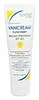 Key Ingredients
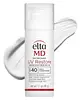
No key ingredients
Benefits
Concerns
No concerns
Ingredients Side-by-side
Allantoin
Skin Conditioning




Butyloctyl Salicylate
Skin Conditioning
C12-15 Alkyl Benzoate
AntimicrobialCaprylyl Glycol
Emollient
Dimethiconol
Emollient
Glyceryl Behenate
Emollient
Glyceryl Dibehenate
Emollient
Glyceryl Stearate
Emollient
Isodecyl Salicylate
Skin ConditioningIsopropyl Isostearate
Emollient

Lecithin
Emollient
Neopentyl Glycol Diheptanoate
Emollient1,2-Hexanediol
Skin Conditioning
Polyester-7
Skin ConditioningPolyglyceryl-3 Polyricinoleate
Emulsifying
Propanediol
Solvent
Silica Silylate
Emollient
Sodium Chloride
MaskingSqualane
Emollient
Tribehenin
Emollient
Tridecyl Salicylate
Skin ConditioningWater
Skin ConditioningAllantoin, Butyloctyl Salicylate, C12-15 Alkyl Benzoate, Caprylyl Glycol, Dimethiconol, Glyceryl Behenate, Glyceryl Dibehenate, Glyceryl Stearate, Isodecyl Salicylate, Isopropyl Isostearate, Lecithin, Neopentyl Glycol Diheptanoate, 1,2-Hexanediol, Polyester-7, Polyglyceryl-3 Polyricinoleate, Propanediol, Silica Silylate, Sodium Chloride, Squalane, Tribehenin, Tridecyl Salicylate, Water
Zinc Oxide 15%
Cosmetic Colorant
Coco-Caprylate/Caprate
Emollient
Butyloctyl Salicylate
Skin Conditioning
Caprylic/Capric Triglyceride
Masking
Octyldodecyl Neopentanoate
EmollientMethyl Glucose Sesquistearate
Emollient
Silica
Abrasive

Glyceryl Stearate
Emollient
PEG-100 Stearate
PEG-20 Methyl Glucose Sesquistearate
Emulsifying
Phenoxyethanol
Preservative
Triethoxycaprylylsilane
Polyhydroxystearic Acid
Emulsifying
Glycerin
Humectant
Glyceryl Behenate
Emollient
Saccharide Isomerate
Humectant
Xanthan Gum
EmulsifyingZingiber Officinale Root Extract
Masking
Hydroxyethyl Acrylate/Sodium Acryloyldimethyl Taurate Copolymer
Emulsion StabilisingSqualane
Emollient
Ethylhexylglycerin
Skin ConditioningTetrahexyldecyl Ascorbate
Antioxidant



Tocopheryl Acetate
Antioxidant
Sclerotium Gum
Emulsion StabilisingLecithin
Emollient
Pullulan
Dimethicone
Emollient
Mica
Cosmetic ColorantPolysorbate 60
Emulsifying
Ethylene/Methacrylate Copolymer
Zinc Oxide 15%, Coco-Caprylate/Caprate, Butyloctyl Salicylate, Caprylic/Capric Triglyceride, Octyldodecyl Neopentanoate, Methyl Glucose Sesquistearate, Silica, Glyceryl Stearate, PEG-100 Stearate, PEG-20 Methyl Glucose Sesquistearate, Phenoxyethanol, Triethoxycaprylylsilane, Polyhydroxystearic Acid, Glycerin, Glyceryl Behenate, Saccharide Isomerate, Xanthan Gum, Zingiber Officinale Root Extract, Hydroxyethyl Acrylate/Sodium Acryloyldimethyl Taurate Copolymer, Squalane, Ethylhexylglycerin, Tetrahexyldecyl Ascorbate, Tocopheryl Acetate, Sclerotium Gum, Lecithin, Pullulan, Dimethicone, Mica, Polysorbate 60, Ethylene/Methacrylate Copolymer
Reviews
Ingredients Explained
These ingredients are found in both products.
Ingredients higher up in an ingredient list are typically present in a larger amount.
Butyloctyl Salicylate is a chemical UV filter structurally similar to octisalate. It is a photostabilizer, SPF booster, emollient and solvent. This ingredient helps evenly spread out ingredients.
According to a manufacturer, it is suitable for pairing with micro Titanium Dioxide, Zinc Oxide, and pigments.
Photostabilizers help stabilize UV-filters and prevents them from degrading quickly.
Learn more about Butyloctyl SalicylateGlyceryl Behenate is a fatty acid created from glycerin and behenic acid. It is an emollient and emulsifier.
This ingredient may not be Malassezia folliculitis, or fungal acne safe.
Glyceryl Stearate is made by reacting glycerin with stearic acid (typically sourced from plant oils like palm or coconut). It's an emulsifier, emollient, and mild occlusive.
Emulsifiers help ingredients like oil and water stay mixed so your formula stays nicely blended and uniform in texture.
This ingredient is typically used in concentrations between 1-10%. Studies have found it to be non-sensitizing, non-phototoxic, and non-photoallergenic.
A close cousin of this ingredient is Glyceryl Stearate SE ("self-emulsifying"). This just has a small amount of sodium or potassium stearate added so it can emulsify without a co-emulsifier.
Since this ingredient is an ester of a C18 fatty acid, it may not be fungal acne safe. The Malassezia yeast can potentially metabolize within the C11-C24 range.
Fun fact: The human body also creates Glyceryl Stearate naturally.
Learn more about Glyceryl StearateLecithin is a term for a group of substances found in the cell membranes of plants, animals, and humans. They are made up of phospholipids.
Thanks to its amphiphilic structure (water-loving head and oil-loving tail), it is a true multitasker:
It plays well with most ingredients and is typically used at 0.1-1%. However, concentrations up to 50% have been reported in moisturizers.
Depending on the source of this ingredient, lecithin may not be fungal acne safe. This is because some sources of lecithin come from soybean oil, which may feed the malassezia yeast that causes fungal acne.
We recommend reaching out to the brand you are purchasing from to inquire about the source of their lecithin.
Learn more about LecithinSqualane is the hydrogenated and shelf-stable form of squalene (a lipid that naturally occurs in human sebum).
It is an emollient and skin conditioning agent that is able to integrate seamlessly into the skin's lipid barrier without clogging pores.
This is due to how structurally similar it is to what your skin already produces.
Though it is mostly an emollient that helps soften and hydrate skin, it also has some humectant and occlusive action. Humectants help the skin retain moisture while occlusives seal it in, making squalane a triple-threat moisturizer.
Research shows it has antioxidant capabilities that help protect against stressors like UV exposure, specifically UVA induced oxidative stress. This study also found that it supports collagen biosynthesis in human dermal fibroblasts.
No clinical study has reported significant adverse effects and irritation reactions are very rare from this ingredient (even at 100% concentration).
Overall, it's a fantastic ingredient for hydration and is suitable for all skin types.
This depends on the source. Squalane can be derived from both plants and animals. Most squalane used in skincare comes from plants.
Please note: the source of squalane is only known if disclosed by the brand. We recommend reaching out to the brand if you have any questions about their squalane.
Read more about squalene with an "e".
Though squalane is often called an oil, it’s technically not one. It is a hydrocarbon, meaning it is only made of carbon and hydrogen. True oils are triglycerides and made of fatty acids and glycerol.
The term “oil-free” isn’t regulated so companies can define it however they want. Some exclude all oils, while others just avoid mineral oil or comedogenic oils.
Squalane has a comedogenic rating of 1 from the original 1972 study that tested raw ingredients under occlusion on rabbit ears. This system is not standardized or peer-reviewed, and using the raw ingredients is very different from how diluted cosmetic formulations are used on human skin.
A comedogenic rating of 1 means it is "unlikely to clog pores" according to the original rating system.
The overall formula of a product matters more than the individual ingredients on whether or not it will cause clogged pores.
Learn more about Squalane
