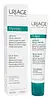
This smoothing serum is formulated around Glycolic Acid and Malic Acid to refine skin texture and brighten dull-looking skin.
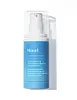
This acne serum is formulated around Salicylic Acid and Mandelic Acid to clear breakouts and refine skin texture.


What's inside
What's inside
 Key Ingredients
Benefits
Concerns
Ingredients Side-by-side
Water
Skin ConditioningDimethicone
Emollient

Propanediol
Solvent

Polysorbate 20
Emulsifying

Glycolic Acid
Buffering









Malic Acid
Buffering
Sodium Polyacryloyldimethyl Taurate
Emulsion StabilisingLactic Acid
Buffering
Sodium Hydroxide
BufferingButylene Glycol
Humectant
1,2-Hexanediol
Skin Conditioning
Diglycerin
Humectant
Glycerin
Humectant
Polysilicone-11
Glycine
Buffering
PEG-40 Hydrogenated Castor Oil
Emulsifying
Chlorphenesin
Antimicrobial
Pentylene Glycol
Skin Conditioning
Parfum
Masking

Phytosphingosine
Skin Conditioning

Lens Esculenta Seed Extract
Skin ProtectingXanthan Gum
EmulsifyingZinc Lactate
Asiaticoside
Antioxidant
Glycyrrhiza Inflata Root Extract
Skin Conditioning
Sodium Benzoate
Masking
Caprylyl Glycol
Emollient
Decyl Glucoside
Cleansing
Rhamnose
HumectantGlucose
Humectant
Glucuronic Acid
Buffering
Water, Dimethicone, Propanediol, Polysorbate 20, Glycolic Acid, Malic Acid, Sodium Polyacryloyldimethyl Taurate, Lactic Acid, Sodium Hydroxide, Butylene Glycol, 1,2-Hexanediol, Diglycerin, Glycerin, Polysilicone-11, Glycine, PEG-40 Hydrogenated Castor Oil, Chlorphenesin, Pentylene Glycol, Parfum, Phytosphingosine, Lens Esculenta Seed Extract, Xanthan Gum, Zinc Lactate, Asiaticoside, Glycyrrhiza Inflata Root Extract, Sodium Benzoate, Caprylyl Glycol, Decyl Glucoside, Rhamnose, Glucose, Glucuronic Acid
Salicylic Acid 1%
Masking

Water
Skin ConditioningPropanediol
Solvent
Mandelic Acid
Antimicrobial
Glycerin
Humectant
Erythritol
Humectant
Pentylene Glycol
Skin Conditioning
Sodium Polyacryloyldimethyl Taurate
Emulsion StabilisingDimethicone
Emollient
Sodium Hydroxide
BufferingSaccharide Isomerate
Humectant
Glutamic Acid
Humectant
Allantoin
Skin Conditioning
Punica Granatum Pericarp Extract
Skin ConditioningNelumbo Nucifera Flower Extract
Skin ConditioningNymphaea Caerulea Flower Extract
Skin ConditioningUrea
Buffering
Yeast Amino Acids
HumectantTrehalose
Humectant
Inositol
Humectant
Taurine
BufferingBetaine
Humectant
Melia Azadirachta Leaf Extract
Skin ConditioningMelia Azadirachta Flower Extract
Skin ConditioningCorallina Officinalis Extract
Skin Conditioning
Coccinia Indica Fruit Extract
Skin Conditioning
Aloe Barbadensis Flower Extract
EmollientSolanum Melongena Fruit Extract
Skin ConditioningOcimum Basilicum Flower/Leaf Extract
TonicCurcuma Longa Root Extract
Antioxidant
Ocimum Sanctum Leaf Extract
Skin ConditioningMaltodextrin
Absorbent
Glyceryl Polyacrylate
Polysilicone-11
Butylene Glycol
Humectant
Decyl Glucoside
Cleansing
Tetrasodium Glutamate Diacetate
ChelatingCitric Acid
Buffering
Sodium Citrate
Buffering1,2-Hexanediol
Skin Conditioning
Leuconostoc/Radish Root Ferment Filtrate
Antimicrobial
Caprylyl Glycol
Emollient
Chlorphenesin
Antimicrobial
Salicylic Acid 1%, Water, Propanediol, Mandelic Acid, Glycerin, Erythritol, Pentylene Glycol, Sodium Polyacryloyldimethyl Taurate, Dimethicone, Sodium Hydroxide, Saccharide Isomerate, Glutamic Acid, Allantoin, Punica Granatum Pericarp Extract, Nelumbo Nucifera Flower Extract, Nymphaea Caerulea Flower Extract, Urea, Yeast Amino Acids, Trehalose, Inositol, Taurine, Betaine, Melia Azadirachta Leaf Extract, Melia Azadirachta Flower Extract, Corallina Officinalis Extract, Coccinia Indica Fruit Extract, Aloe Barbadensis Flower Extract, Solanum Melongena Fruit Extract, Ocimum Basilicum Flower/Leaf Extract, Curcuma Longa Root Extract, Ocimum Sanctum Leaf Extract, Maltodextrin, Glyceryl Polyacrylate, Polysilicone-11, Butylene Glycol, Decyl Glucoside, Tetrasodium Glutamate Diacetate, Citric Acid, Sodium Citrate, 1,2-Hexanediol, Leuconostoc/Radish Root Ferment Filtrate, Caprylyl Glycol, Chlorphenesin
Reviews
Ingredients Explained
These ingredients are found in both products.
Ingredients higher up in an ingredient list are typically present in a larger amount.
1,2-Hexanediol is a synthetic liquid and another multi-functional powerhouse.
It is a:
- Humectant, drawing moisture into the skin
- Emollient, helping to soften skin
- Solvent, dispersing and stabilizing formulas
- Preservative booster, enhancing the antimicrobial activity of other preservatives
Butylene Glycol (or BG) is used within cosmetic products for a few different reasons:
Overall, Butylene Glycol is a safe and well-rounded ingredient that works well with other ingredients.
Though this ingredient works well with most skin types, some people with sensitive skin may experience a reaction such as allergic rashes, closed comedones, or itchiness.
Learn more about Butylene GlycolCaprylyl Glycol is a humectant, skin conditioner, emollient, and preservative booster derived from either caprylic acid or synthetically created.
Typical use levels vary from 0.3-1% as a preservative booster and go up to 2% to condition skin.
Because it is not a free-fatty acid, this ingredient is fungal acne safe (there's nothing for Malassezia to feed on).
Learn more about Caprylyl GlycolChlorphenesin is a synthetic preservative. It helps protect a product against bacteria in order to extend shelf life. In most cases, Chlorphenesin is paired with other preservatives such as phenoxyethanol and caprylyl glycol.
Chlorphenesin is a biocide. This means it is able to help fight the microorganisms on our skin. It is also able to fight odor-releasing bacteria.
Chlorphenesin is soluble in both water and glycerin.
Studies show Chlorphenesin is easily absorbed by our skin. You should speak with a skincare professional if you have concerns about using Chlorphenesin.
Learn more about ChlorphenesinDecyl Glucoside is a plant-derived surfactant and emulsion stabilizer. It is created by reacting glucose with the fatty acids from plants.
Like all surfactants, it works by lowering the surface tension between water and oil. This makes it so that dirt, sebum, and makeup can be lifted off your skin and rinsed away. It also produces a dense and creamy foam.
Because it has a neutral charge, it is compatible with a wide range of ingredients and stays stable across a broad pH range/water hardiness conditions.
Patch testing has shown it to have the lowest irritation potential among common cleansing surfactants (like SLS).
Typical use levels range from 5-20% in rinse-off cleansers.
One thing worth knowing: The American Contact Dermatitis Society named the parent family, alkyl glucosides, "Allergen of the Year" in 2017. The prevalence of allergy is pretty low but be sure to patch test if you've reacted to "gentle" or sulfate-free cleansers before.
This ingredient is fungal acne safe because the fatty alcohol portion of this ingredient is not within the C11-24 chain length that Malassezia can metabolize.
Learn more about Decyl GlucosideDimethicone is a type of synthetic silicone created from natural materials such as quartz. It is also known as polydimethylsiloxane.
What it does:
Dimethicone comes in different viscosities:
Depending on the viscosity, dimethicone has different properties.
Ingredients lists don't always show which type is used, so we recommend reaching out to the brand if you have questions about the viscosity.
This ingredient is unlikely to cause irritation because it does not get absorbed into skin. However, people with silicone allergies should be careful about using this ingredient.
Note: Dimethicone may contribute to pilling. This is because it is not oil or water soluble, so pilling may occur when layered with products. When mixed with heavy oils in a formula, the outcome is also quite greasy.
Learn more about DimethiconeGlycerin (or glycerol) is a compound naturally found in your skin. It's a powerhouse humectant that pulls water into the stratum corneum.
Topically, glycerin does several things at once:
Your skin makes glycerin on its own (mostly from sebaceous oil breakdown) and shuttles it to your outermost layer of skin, or your epidermis, via aquaporin-3.
Aquaporin-3 is a transporter that is essential for normal skin hydration, elasticity, and repair. Interestingly, mice lacking in AQP3 have dry and less elastic skin that can be fully corrected with glycerin.
This ingredient is non-irritating, plays well with almost every ingredient, and works across all skin types. Typical use is anywhere between 3-10% but can go up to 79% in some leave-on products.
Just know very high concentrations (>40%) can feel tacky in low humidity.
Glycerin is the name for this ingredient in American English. British English uses Glycerol/Glycerine.
Learn more about GlycerinPentylene Glycol (1,2-pentanediol) is a multitasking little diol with three main roles in a formula:
Research on alkanediols (the family pentylene glycol belongs to) show they work by disrupting microbial cell membranes. This disruption helps the primary preservative system in a product work more effectively at lower doses.
On the safety side, the Cosmetic Ingredient Review Expert Panel has concluded this ingredient to be safe as used in current cosmetic practices + concentrations.
Typical use levels in a formula run about 1-5%.
Learn more about Pentylene GlycolPolysilicone-11 is a film-forming silicone that creates a non-tacky and matte finish on the skin. It's commonly used to improve texture, absorb excess oil, and help active ingredients spread evenly.
Due to its "rubber-like" structure, it stays on the skin's surface instead of being absorbed. On the skin, it creates a flexible layer that enhances wearability and stability.
Propanediol is an all-star ingredient. It softens, hydrates, and smooths the skin.
It’s often used to:
Propanediol is not likely to cause sensitivity and considered safe to use. It is derived from corn or petroleum with a clear color and no scent.
Learn more about PropanediolSodium Hydroxide is also known as lye or caustic soda. It is used to adjust the pH of products; many ingredients require a specific pH to be effective.
In small amounts, sodium hydroxide is considered safe to use. However, large amounts may cause chemical burns due to its high alkaline.
Your skin has a natural pH and acid mantle. This acid mantle helps prevent harmful bacteria from breaking through. The acid mantle also helps keep your skin hydrated.
"Alkaline" refers to a high pH level. A low pH level would be considered acidic.
Learn more about Sodium HydroxideThis is a lab-made ingredient that plays a huge role in improving the texture of a formula.
It's used to thicken watery gel-creams, prevent water + oil from separating, and give products a silky, non-greasy glide.
Safety-wise, a panel of independent toxicologists reviewed this ingredient and concluded it to be safe in cosmetics in the present practices of use and concentration.
A separate sensitization patch test on humans also showed no evidence of allergic reactivity, and a true allergy to this ingredient is considered rare.
Typical usage levels range from 0.015%-3% in leave-on products and 0.078%-3.2% in rinse-off products.
Learn more about Sodium Polyacryloyldimethyl TaurateWater. It's the most common cosmetic ingredient of all. You'll usually see it at the top of ingredient lists, meaning that it makes up the largest part of the product.
So why is it so popular? Water most often acts as a solvent - this means that it helps dissolve other ingredients into the formulation.
You'll also recognize water as that liquid we all need to stay alive. If you see this, drink a glass of water. Remember to stay hydrated!
Learn more about Water


