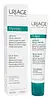
This smoothing serum is formulated around Glycolic Acid and Malic Acid to refine skin texture and brighten dull-looking skin.
This smoothing serum is formulated around Glycolic Acid and Lactic Acid to refine skin texture and brighten dull-looking skin.


What's inside
What's inside
 Key Ingredients
Benefits
Concerns
Ingredients Side-by-side
Water
Skin ConditioningDimethicone
Emollient

Propanediol
Solvent

Polysorbate 20
Emulsifying

Glycolic Acid
Buffering









Malic Acid
Buffering
Sodium Polyacryloyldimethyl Taurate
Emulsion StabilisingLactic Acid
Buffering
Sodium Hydroxide
BufferingButylene Glycol
Humectant
1,2-Hexanediol
Skin Conditioning
Diglycerin
Humectant
Glycerin
Humectant
Polysilicone-11
Glycine
Buffering
PEG-40 Hydrogenated Castor Oil
Emulsifying
Chlorphenesin
Antimicrobial
Pentylene Glycol
Skin Conditioning
Parfum
Masking

Phytosphingosine
Skin Conditioning

Lens Esculenta Seed Extract
Skin ProtectingXanthan Gum
EmulsifyingZinc Lactate
Asiaticoside
Antioxidant
Glycyrrhiza Inflata Root Extract
Skin Conditioning
Sodium Benzoate
Masking
Caprylyl Glycol
Emollient
Decyl Glucoside
Cleansing
Rhamnose
HumectantGlucose
Humectant
Glucuronic Acid
Buffering
Water, Dimethicone, Propanediol, Polysorbate 20, Glycolic Acid, Malic Acid, Sodium Polyacryloyldimethyl Taurate, Lactic Acid, Sodium Hydroxide, Butylene Glycol, 1,2-Hexanediol, Diglycerin, Glycerin, Polysilicone-11, Glycine, PEG-40 Hydrogenated Castor Oil, Chlorphenesin, Pentylene Glycol, Parfum, Phytosphingosine, Lens Esculenta Seed Extract, Xanthan Gum, Zinc Lactate, Asiaticoside, Glycyrrhiza Inflata Root Extract, Sodium Benzoate, Caprylyl Glycol, Decyl Glucoside, Rhamnose, Glucose, Glucuronic Acid
Water
Skin ConditioningGlycolic Acid
Buffering
Butylene Glycol
Humectant
Glycerin
Humectant
Sodium Hydroxide
BufferingLactic Acid
Buffering
Salicylic Acid
Masking

Tartaric Acid
Buffering
Vitis Vinifera Juice Extract
Antioxidant
Aloe Barbadensis Leaf Juice
Skin Conditioning
Opuntia Ficus-Indica Extract
Skin Conditioning
Aesculus Hippocastanum Seed Extract
Skin ConditioningCamellia Sinensis Leaf Extract
Antimicrobial
Rubus Idaeus Fruit Extract
AstringentSaccharomyces Cerevisiae Extract
Skin Conditioning
Buddleja Davidii Meristem Cell Culture
Skin ConditioningSclerocarya Birrea Seed Oil
Humectant
Sodium Hyaluronate Crosspolymer
Humectant
Allantoin
Skin Conditioning
Hydroxyethylcellulose
Emulsion StabilisingGalactoarabinan
Propanediol
Solvent
Citric Acid
Buffering
Tetrasodium Glutamate Diacetate
ChelatingXanthan Gum
EmulsifyingHexylene Glycol
EmulsifyingPhenoxyethanol
Preservative
Sodium Benzoate
Masking
Caprylyl Glycol
Emollient
Potassium Sorbate
Preservative
Pentylene Glycol
Skin Conditioning
Sodium Carbonate
BufferingSodium Chloride
MaskingDisodium Phosphate
BufferingSodium Phosphate
BufferingEthylhexylglycerin
Skin ConditioningWater, Glycolic Acid, Butylene Glycol, Glycerin, Sodium Hydroxide, Lactic Acid, Salicylic Acid, Tartaric Acid, Vitis Vinifera Juice Extract, Aloe Barbadensis Leaf Juice, Opuntia Ficus-Indica Extract, Aesculus Hippocastanum Seed Extract, Camellia Sinensis Leaf Extract, Rubus Idaeus Fruit Extract, Saccharomyces Cerevisiae Extract, Buddleja Davidii Meristem Cell Culture, Sclerocarya Birrea Seed Oil, Sodium Hyaluronate Crosspolymer, Allantoin, Hydroxyethylcellulose, Galactoarabinan, Propanediol, Citric Acid, Tetrasodium Glutamate Diacetate, Xanthan Gum, Hexylene Glycol, Phenoxyethanol, Sodium Benzoate, Caprylyl Glycol, Potassium Sorbate, Pentylene Glycol, Sodium Carbonate, Sodium Chloride, Disodium Phosphate, Sodium Phosphate, Ethylhexylglycerin
Reviews
Ingredients Explained
These ingredients are found in both products.
Ingredients higher up in an ingredient list are typically present in a larger amount.
Butylene Glycol (or BG) is used within cosmetic products for a few different reasons:
Overall, Butylene Glycol is a safe and well-rounded ingredient that works well with other ingredients.
Though this ingredient works well with most skin types, some people with sensitive skin may experience a reaction such as allergic rashes, closed comedones, or itchiness.
Learn more about Butylene GlycolCaprylyl Glycol is a humectant, skin conditioner, emollient, and preservative booster derived from either caprylic acid or synthetically created.
Typical use levels vary from 0.3-1% as a preservative booster and go up to 2% to condition skin.
Because it is not a free-fatty acid, this ingredient is fungal acne safe (there's nothing for Malassezia to feed on).
Learn more about Caprylyl GlycolGlycerin (or glycerol) is a compound naturally found in your skin. It's a powerhouse humectant that pulls water into the stratum corneum.
Topically, glycerin does several things at once:
Your skin makes glycerin on its own (mostly from sebaceous oil breakdown) and shuttles it to your outermost layer of skin, or your epidermis, via aquaporin-3.
Aquaporin-3 is a transporter that is essential for normal skin hydration, elasticity, and repair. Interestingly, mice lacking in AQP3 have dry and less elastic skin that can be fully corrected with glycerin.
This ingredient is non-irritating, plays well with almost every ingredient, and works across all skin types. Typical use is anywhere between 3-10% but can go up to 79% in some leave-on products.
Just know very high concentrations (>40%) can feel tacky in low humidity.
Glycerin is the name for this ingredient in American English. British English uses Glycerol/Glycerine.
Learn more about GlycerinGlycolic Acid is arguably the most famous alpha hydroxy acid (AHA) with tons of research backing its benefits.
It is found naturally in sugar cane but the form used in skincare is usually synthetic for purity and stability.
Glycolic acid removes the top layer of dead skin cells to allow newer and fresher ones to emerge.
AHAs work by breaking down the structural “glue” that holds old skin cells in place. When that buildup is gone, your skin can renew itself more efficiently.
Research also shows glycolic acid stimulates collagen production, helping to firm and thicken the skin over time. This is one of its biggest advantages over other AHAs.
Overall, glycolic acid helps with:
Fun fact: Glycolic acid boosts skin hydration by helping it produce molecules that increase hyaluronic acid naturally.
To work best, glycolic acid products should have a pH between 3-4 (that’s where exfoliation is most effective but still gentle on skin).
The pH and concentration of a product are key to its effectiveness:
It is normal to feel a slight stinging sensation when using glycolic acid. This usually fades as your skin adjusts.
Because glycolic acid has the smallest molecular size in the AHA family, it can penetrate deeper, which enhances its effectiveness but also makes it more likely to irritate sensitive skin.
If your skin is very sensitive or prone to rosacea, glycolic acid may be too strong; in that case, try milder options like lactic acid or a PHA instead.
Recent studies suggest glycolic acid might even help protect against UV damage. But don’t skip sunscreen! Freshly exfoliated skin is more sensitive to the sun.
Glycolic acid is a skincare superstar. It smooths, brightens, hydrates, and firms the skin. Unless you’re highly sensitive, it’s well worth adding to your routine.
Read more about some other popular AHA's here:
Learn more about Glycolic AcidLactic Acid is another well-loved alpha hydroxy acid (AHA). It is gentler than glycolic acid but still highly effective.
Its main role is to exfoliate the surface of the skin by loosening the “glue” that holds dead skin cells together. Shedding those old cells leads to smoother, softer, and more even-toned skin.
Because lactic acid molecules are larger than glycolic acid, they don’t penetrate as deeply. This means they’re less likely to sting or irritate, making it a great choice for beginners or those with sensitive skin.
Like glycolic acid, it can:
Lactic acid also acts as a humectant (like hyaluronic acid). It can draw water into the skin to improve hydration and also plays a role in the skin's natural moisturizing factor (NMF) in the form of sodium lactate.
Studies show it can boost ceramide production to strengthen the skin barrier and even help balance the skin’s microbiome.
To get results, choose products with a pH between 3-4.
Lower strengths (5-12%) focus on surface exfoliation; higher strengths (12% and up) can reach deeper in the dermis (deeper, supportive layer) to improve skin texture and firmness over time.
Though it was originally derived from milk, most modern lactic acid used in skincare is vegan. It is made through non-dairy fermentation to create a bio-identical and stable form suitable for all formulations.
When lactic acid shows up near the end of an ingredient list, it usually means the brand added just a tiny amount to adjust the product’s pH.
Legend has it that Cleopatra used to bathe in sour milk to help reduce wrinkles.
Lactic acid is truly a gentle multitasker: it exfoliates, hydrates, strengthens, and brightens. It's a great ingredient for giving your skin a smooth, glowing, and healthy look without the harshness of stronger acids.
Read more about some other popular AHA's here:
Learn more about Lactic AcidPentylene Glycol (1,2-pentanediol) is a multitasking little diol with three main roles in a formula:
Research on alkanediols (the family pentylene glycol belongs to) show they work by disrupting microbial cell membranes. This disruption helps the primary preservative system in a product work more effectively at lower doses.
On the safety side, the Cosmetic Ingredient Review Expert Panel has concluded this ingredient to be safe as used in current cosmetic practices + concentrations.
Typical use levels in a formula run about 1-5%.
Learn more about Pentylene GlycolPropanediol is an all-star ingredient. It softens, hydrates, and smooths the skin.
It’s often used to:
Propanediol is not likely to cause sensitivity and considered safe to use. It is derived from corn or petroleum with a clear color and no scent.
Learn more about PropanediolSodium Benzoate is a preservative. It's used in both cosmetic and food products to inhibit the growth of mold and bacteria. It is typically produced synthetically.
Both the US FDA and EU Health Committee have approved the use of sodium benzoate. In the US, levels of 0.1% (of the total product) are allowed.
Sodium benzoate works as a preservative by inhibiting the growth of bacteria inside of cells. It prevents the cell from fermenting a type of sugar using an enzyme called phosphofructokinase.
It is the salt of benzoic acid. Foods containing sodium benzoate include soda, salad dressings, condiments, fruit juices, wines, and snack foods.
Studies for using ascorbic acid and sodium benzoate in cosmetics are lacking, especially in skincare routines with multiple steps.
We always recommend speaking with a professional, such as a dermatologist, if you have any concerns.
Learn more about Sodium BenzoateSodium Hydroxide is also known as lye or caustic soda. It is used to adjust the pH of products; many ingredients require a specific pH to be effective.
In small amounts, sodium hydroxide is considered safe to use. However, large amounts may cause chemical burns due to its high alkaline.
Your skin has a natural pH and acid mantle. This acid mantle helps prevent harmful bacteria from breaking through. The acid mantle also helps keep your skin hydrated.
"Alkaline" refers to a high pH level. A low pH level would be considered acidic.
Learn more about Sodium HydroxideWater. It's the most common cosmetic ingredient of all. You'll usually see it at the top of ingredient lists, meaning that it makes up the largest part of the product.
So why is it so popular? Water most often acts as a solvent - this means that it helps dissolve other ingredients into the formulation.
You'll also recognize water as that liquid we all need to stay alive. If you see this, drink a glass of water. Remember to stay hydrated!
Learn more about WaterXanthan gum is used as a stabilizer and thickener within cosmetic products. It helps give products a sticky, thick feeling - preventing them from being too runny.
On the technical side of things, xanthan gum is a polysaccharide - a combination consisting of multiple sugar molecules bonded together.
Xanthan gum is a pretty common and great ingredient. It is a natural, non-toxic, non-irritating ingredient that is also commonly used in food products.
Learn more about Xanthan Gum

