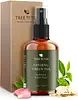
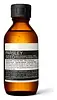
Tree to Tub Ginseng Green Tea Anti-Aging Calming Hydration Toner Spray Versus Aesop Parsley Seed Anti-Oxidant Facial Toner
This calming toner is formulated around Aloe Barbadensis Leaf Juice and Panax Ginseng Root Extract to calm redness and hydrate skin.
This calming toner is formulated around Aloe Barbadensis Leaf Juice and Panthenol to calm redness and hydrate skin.


What's inside
What's inside
 Key Ingredients
Benefits
Concerns
Ingredients Side-by-side
Aloe Barbadensis Leaf Juice
Skin Conditioning


Rosa Damascena Flower Water
Masking
Glycerin
Humectant

Betaine
Humectant
1,2-Hexanediol
Skin Conditioning
Panthenol
Skin Conditioning
Ascorbic Acid
Antioxidant





Tocopheryl Acetate
Antioxidant
Sodium Hyaluronate
Humectant
Sodium Benzoate
Masking
Panax Ginseng Root Extract
Emollient
Camellia Sinensis Leaf Extract
Antimicrobial

Allantoin
Skin Conditioning
Hamamelis Virginiana Water
Astringent



Cucumis Sativus Fruit Extract
Emollient
Lactic Acid
Buffering
Chamomilla Recutita Flower Extract
Masking
Citrus Paradisi Seed Extract
Masking
Polyglyceryl-4 Oleyl Ether
EmulsifyingOleic Acid
Emollient


Pelargonium Graveolens Flower Oil
Masking


Citrus Aurantium Dulcis Peel Oil Expressed
Perfuming
Aloe Barbadensis Leaf Juice, Rosa Damascena Flower Water, Glycerin, Betaine, 1,2-Hexanediol, Panthenol, Ascorbic Acid, Tocopheryl Acetate, Sodium Hyaluronate, Sodium Benzoate, Panax Ginseng Root Extract, Camellia Sinensis Leaf Extract, Allantoin, Hamamelis Virginiana Water, Cucumis Sativus Fruit Extract, Lactic Acid, Chamomilla Recutita Flower Extract, Citrus Paradisi Seed Extract, Polyglyceryl-4 Oleyl Ether, Oleic Acid, Pelargonium Graveolens Flower Oil, Citrus Aurantium Dulcis Peel Oil Expressed
Water
Skin ConditioningAloe Barbadensis Leaf Juice
Skin Conditioning
Polysorbate 80
Emulsifying
Sodium Lactate
Buffering
Hamamelis Virginiana Water
Astringent
Phenoxyethanol
Preservative
Lavandula Angustifolia Oil
Masking
Benzyl Alcohol
Perfuming

Sorbitol
Humectant
Panthenol
Skin Conditioning
Disodium EDTA
ChelatingOrmenis Multicaulis Oil
Masking
Benzoic Acid
Masking
Ethylhexylglycerin
Skin ConditioningCamellia Sinensis Leaf Extract
Antimicrobial
Chamomilla Recutita Flower Oil
Masking
Dehydroacetic Acid
Preservative
Carum Petroselinum Seed Oil
Masking
Citric Acid
Buffering
Linalool
Perfuming
Limonene
Perfuming
Geraniol
Perfuming
Water, Aloe Barbadensis Leaf Juice, Polysorbate 80, Sodium Lactate, Hamamelis Virginiana Water, Phenoxyethanol, Lavandula Angustifolia Oil, Benzyl Alcohol, Sorbitol, Panthenol, Disodium EDTA, Ormenis Multicaulis Oil, Benzoic Acid, Ethylhexylglycerin, Camellia Sinensis Leaf Extract, Chamomilla Recutita Flower Oil, Dehydroacetic Acid, Carum Petroselinum Seed Oil, Citric Acid, Linalool, Limonene, Geraniol
Ingredients Explained
These ingredients are found in both products.
Ingredients higher up in an ingredient list are typically present in a larger amount.
Aloe Barbadensis Leaf Juice is the filtered, stabilized liquid pressed from the inner gel of the aloe vera leaf.
In cosmetics, it shows up as either soothing active or a water-replacement base. It is roughly 98-99% water and the last 1-2% is an interesting mix of polysaccharides, amino acids, vitamins, minerals, and enzymes.
The polysaccharides do most of the work: they bind water at the skin surface for a light, non-greasy hydration boost. And one of the polysaccharides, glycomannan, is linked to fibroblast stimulation + collagen synthesis. This is also why aloe has such a long track record in wound and burn healing.
This ingredient is also calming with anti-inflammatory and mild antimicrobial activity, making it a great pick for sensitive, irritated, or post-sun skin.
Realistic expectations matter though; the solid evidence is mostly limited to hydration, soothing, and wound support. Deeper claims about anti-aging or sun protection are not well backed, and science reviews note it does not prevent radiation-induced skin injury.
Because it plays well with almost everything, it's commonly used as a base alongside other actives like niacinamide or vitamin C.
Typical usage concentrations range from 0.5% (where hydration benefits already show up) all the way to 90%+ (where it replaces water as the main base).
The safety for this ingredient is well-establish as well. Overall, this is a great supporting ingredient for those who want a boost in hydration.
Learn more about Aloe Barbadensis Leaf JuiceCamellia Sinensis Leaf Extract (tea extract) is one of the most well-researched plant extracts in skincare with an impressive resume.
Black tea, green tea, and oolong tea are all harvested from the Camellia Sinensis plant.
Studies show green tea extract and its catechins (like epigallocatechin gallate (EGCG)) help your skin cells product energy more efficiently and reducing the number of free-radicals that can damage your skin from the inside.
In lab-grown skin models, this translated to younger, healthier, and stronger skin.
There's also good sun protection data; researchers saw less DNA damage and redness on human skin when green tea was applied before UVB exposure. And the more they applied, the better the protection.
Needless to say, this ingredient shouldn't replace your sunscreen. But it is a great supportive ingredient that you can already find in many sunscreens and antioxidant serums.
A 2009 study found a 2% green tea lotion was effective for mild-to-moderate acne thanks to its anti-inflammatory and mild antimicrobial activity.
The quality of the extract matters a lot here:
Good extracts contain 50-90% catechins while lower quality ones are mostly there for marketing. We recommend reaching out to the brand if you have questions about the quality or source of their ingredients.
Human Repeated Insult Patch Testing showed no irritation or sensitization at use concentrations (0.86% in leave-on products and up to 30% as leaf water).
Learn more about Camellia Sinensis Leaf ExtractHamamelis Virginiana Water is made by distilling parts of the witch hazel plant. You can also call this ingredient "witch hazel water".
The name 'Hamamelis Virginiana Water' refers to the distillation product used in cosmetics. On the other hand, 'Witch Hazel' refers to the active drug ingredient.
Unless it is specified to be non-alcohol, many types of witch hazel ingredients are distilled in denatured alcohol.
Witch Hazel water is an astringent, anti-inflammatory antioxidant, and antibacterial ingredient.
It contains tannins. Tannins have a drying effect when used on skin by constricting proteins. The constriction also minimizes the appearance of pores.
Both the tannins and fragrance found in witch hazel may be skin-sensitizing.
Witch hazel water gets anti-inflammatory and antibacterial properties from its catechin and gallic acid content.
Indigenous groups have used witch hazel to help treat inflammation in North America for centuries.
Learn more about Hamamelis Virginiana WaterPanthenol is a common ingredient that helps hydrate and soothe the skin. It is found naturally in our skin and hair.
There are two forms of panthenol: D and L.
D-panthenol is also known as dexpanthenol. Most cosmetics use dexpanthenol or a mixture of D and L-panthenol.
Panthenol is famous due to its ability to go deeper into the skin's layers. Using this ingredient has numerous pros (and no cons):
Like hyaluronic acid, panthenol is a humectant. Humectants are able to bind and hold large amounts of water to keep skin hydrated.
This ingredient works well for wound healing. It works by increasing tissue in the wound and helps close open wounds.
Once oxidized, panthenol converts to pantothenic acid. Panthothenic acid is found in all living cells.
This ingredient is also referred to as pro-vitamin B5.
Learn more about Panthenol

