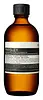
This oil-based cleanser is made to cleanse without leaving your skin tight or dry.
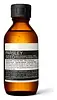
This calming toner is formulated around Aloe Barbadensis Leaf Juice and Panthenol to calm redness and hydrate skin.

What's inside
What's inside
 Key Ingredients
Benefits
Concerns
Ingredients Side-by-side
Persea Gratissima Oil
Skin Conditioning





Prunus Amygdalus Dulcis Oil
Skin Conditioning
Macadamia Ternifolia Seed Oil
Emollient
Oryza Sativa Bran Oil
Emollient

C12-13 Pareth-3
EmulsifyingTocopherol
Antioxidant





Glycine Soja Oil
Emollient
Bisabolol
Antioxidant
Lavandula Angustifolia Oil
Masking



Ormenis Multicaulis Oil
Masking
Chamomilla Recutita Flower Oil
Masking
Daucus Carota Sativa Root Extract
Skin Conditioning
Carum Petroselinum Seed Oil
Masking
Beta-Carotene
Skin ConditioningLinalool
Perfuming
Persea Gratissima Oil, Prunus Amygdalus Dulcis Oil, Macadamia Ternifolia Seed Oil, Oryza Sativa Bran Oil, C12-13 Pareth-3, Tocopherol, Glycine Soja Oil, Bisabolol, Lavandula Angustifolia Oil, Ormenis Multicaulis Oil, Chamomilla Recutita Flower Oil, Daucus Carota Sativa Root Extract, Carum Petroselinum Seed Oil, Beta-Carotene, Linalool
Water
Skin ConditioningAloe Barbadensis Leaf Juice
Skin Conditioning
Polysorbate 80
Emulsifying
Sodium Lactate
Buffering
Hamamelis Virginiana Water
Astringent
Phenoxyethanol
Preservative
Lavandula Angustifolia Oil
Masking
Benzyl Alcohol
Perfuming

Sorbitol
Humectant
Panthenol
Skin Conditioning
Disodium EDTA
ChelatingOrmenis Multicaulis Oil
Masking
Benzoic Acid
Masking
Ethylhexylglycerin
Skin ConditioningCamellia Sinensis Leaf Extract
Antimicrobial

Chamomilla Recutita Flower Oil
Masking
Dehydroacetic Acid
Preservative
Carum Petroselinum Seed Oil
Masking
Citric Acid
Buffering
Linalool
Perfuming
Limonene
Perfuming
Geraniol
Perfuming
Water, Aloe Barbadensis Leaf Juice, Polysorbate 80, Sodium Lactate, Hamamelis Virginiana Water, Phenoxyethanol, Lavandula Angustifolia Oil, Benzyl Alcohol, Sorbitol, Panthenol, Disodium EDTA, Ormenis Multicaulis Oil, Benzoic Acid, Ethylhexylglycerin, Camellia Sinensis Leaf Extract, Chamomilla Recutita Flower Oil, Dehydroacetic Acid, Carum Petroselinum Seed Oil, Citric Acid, Linalool, Limonene, Geraniol
Alternatives
Ingredients Explained
These ingredients are found in both products.
Ingredients higher up in an ingredient list are typically present in a larger amount.
Carum Petroselinum Seed Oil is a fragrance and is an oil.
Chamomilla Recutita Flower Oil comes from the chamomile flower (like the tea you drink).
Essential oils from chamomile have been found to improve wound healing due to its antimicrobial properties.
Chamomile oil can help soothe and hydrate your skin.
Learn more about Chamomilla Recutita Flower OilLavandula Angustifolia Oil is more commonly known as lavender essential oil. It is considered a fragrancing ingredient.
Lavender imparts a famous scent. While the smell is lovely, this ingredient and may sensitize skin in topical products. This is because about 85% of the oil is made up of linalool and linalyl acetate.
When exposed to air, these two compounds become strong allergens. This ingredient exhibits cytotoxicity at low concentrations; amounts of 0.25% have been shown to damage skin cells.
A study from Japan found this ingredient caused lavender sensitivity after widespread exposure.
Lavender essential oil has some antimicrobial, antibacterial, and anti-inflammatory properties. However, the cons of this ingredient may outweight the pros.
More research is needed to confirm lavender essential oil's effects when used in aromatherapy.
Lavandula Angustifolia is known as the English Lavender and famous for creating purple fields in Provence, France.
Learn more about Lavandula Angustifolia OilLinalool is a small, naturally occurring scent molecule found in plants like lavender, coriander, bergamot, and more.
It is one of the two most-used fragrance ingredients in cosmetics and added purely for smell. Since it's not used for a skin benefit, there's no "effective dose". Concentration depends on the fragrance load of the product.
The EU requires it to be named on the label above 0.001% in leave-on and 0.01% in rinse-off products.
Fresh linalool is a weak sensitizer but air exposure turns some of it into hydroperoxides, which are strong sensitizers. Those oxidation products are the actual allergy concern.
Patch-test clinics see positive reactions to linalool hydroperoxides in about 4% to 12% of dermatitis patients depending on country and test concentration.
Resassuringly, one analytical study found hydroperoxide levels in real fragranced products to be orders of magnitude below what induced sensitization in animal studies with no evidence of oxidation building up during normal storage.
The practical takeaway is that linalool is fine for most people but worth avoiding if you have a confirmed fragrance contact allergy or a badly compromised barrier.
Products stored a long time after opening are also the high-risk scenario since that is when oxidation happens.
The scent of linalool is described as floral, spicy tropical, and citrus-like.
Learn more about LinaloolOrmenis Multicaulis Oil is an oil.


