Sukin Hydrating Mist Toner Versus Tree to Tub Ginseng Green Tea Anti-Aging Calming Hydration Toner Spray
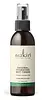
This calming toner is formulated around Rosa Damascena Flower Water and Chamomilla Recutita Flower Extract to calm redness.
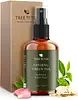
This calming toner is formulated around Aloe Barbadensis Leaf Juice and Panax Ginseng Root Extract to calm redness and hydrate skin.


What's inside
What's inside
 Key Ingredients
No key ingredients
Benefits
Concerns
No concerns
Ingredients Side-by-side
Aloe Barbadensis Leaf Juice
Skin Conditioning


Rosa Damascena Flower Water
Masking
Glycerin
Humectant

Betaine
Humectant
1,2-Hexanediol
Skin Conditioning
Panthenol
Skin Conditioning
Ascorbic Acid
Antioxidant





Tocopheryl Acetate
Antioxidant
Sodium Hyaluronate
Humectant
Sodium Benzoate
Masking
Panax Ginseng Root Extract
Emollient
Camellia Sinensis Leaf Extract
Antimicrobial

Allantoin
Skin Conditioning
Hamamelis Virginiana Water
Astringent



Cucumis Sativus Fruit Extract
Emollient
Lactic Acid
Buffering
Chamomilla Recutita Flower Extract
Masking
Citrus Paradisi Seed Extract
Masking
Polyglyceryl-4 Oleyl Ether
EmulsifyingOleic Acid
Emollient


Pelargonium Graveolens Flower Oil
Masking


Citrus Aurantium Dulcis Peel Oil Expressed
Perfuming
Aloe Barbadensis Leaf Juice, Rosa Damascena Flower Water, Glycerin, Betaine, 1,2-Hexanediol, Panthenol, Ascorbic Acid, Tocopheryl Acetate, Sodium Hyaluronate, Sodium Benzoate, Panax Ginseng Root Extract, Camellia Sinensis Leaf Extract, Allantoin, Hamamelis Virginiana Water, Cucumis Sativus Fruit Extract, Lactic Acid, Chamomilla Recutita Flower Extract, Citrus Paradisi Seed Extract, Polyglyceryl-4 Oleyl Ether, Oleic Acid, Pelargonium Graveolens Flower Oil, Citrus Aurantium Dulcis Peel Oil Expressed
Reviews
Ingredients Explained
These ingredients are found in both products.
Ingredients higher up in an ingredient list are typically present in a larger amount.
Chamomilla Recutita Flower Extract comes from the Chamomile flower.
Chamomile is rich in antioxidants and has anti-inflammatory properties. Several compounds found in chamomile help with soothing, such as bisbolol.
Antioxidant components in chamomile make it an effective ingredient to help slow the signs of aging. Antioxidants help fight free-radical molecules, or molecules that may damage your skin.
Essential oils from chamomile have been found to improve wound healing due to its antimicrobial properties.
Ancient Greeks and Egyptians used Chamomile to treat skin redness and dryness. Chamomile has also been used to help treat stomach issues.
Learn more about Chamomilla Recutita Flower ExtractGlycerin (or glycerol) is a compound naturally found in your skin. It's a powerhouse humectant that pulls water into the stratum corneum.
Topically, glycerin does several things at once:
Your skin makes glycerin on its own (mostly from sebaceous oil breakdown) and shuttles it to your outermost layer of skin, or your epidermis, via aquaporin-3.
Aquaporin-3 is a transporter that is essential for normal skin hydration, elasticity, and repair. Interestingly, mice lacking in AQP3 have dry and less elastic skin that can be fully corrected with glycerin.
This ingredient is non-irritating, plays well with almost every ingredient, and works across all skin types. Typical use is anywhere between 3-10% but can go up to 79% in some leave-on products.
Just know very high concentrations (>40%) can feel tacky in low humidity.
Glycerin is the name for this ingredient in American English. British English uses Glycerol/Glycerine.
Learn more about GlycerinRosa Damascena Flower Water is the water-based byproduct of steam-distilling damask rose petals. It has skin conditioning, masking, and skin protecting properties.
Research shows that Rosa damascena is rich in flavonoids and phenolic compounds like gallic acid that contribute to its antioxidant activity.
In vitro studies have shown that Rosa damascena can scavenge free radicals and reduce melanin overproduction. Research has also found this extract offers some degree of UV absorption but this should not replace your sunscreen.
Learn more about Rosa Damascena Flower Water

