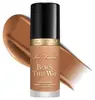
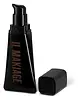
Too Faced Born This Way Undetectable Medium-To-Full Coverage Foundation Versus Il Makiage After Party Next Gen Full Coverage Foundation

What's inside
What's inside
 Key Ingredients
Benefits
Concerns
Ingredients Side-by-side
Water
Skin ConditioningDimethicone
Emollient

Coco-Caprylate/Caprate
Emollient
Trimethylsiloxysilicate
Emollient
Phenyl Trimethicone
Skin Conditioning
Cetyl PEG/PPG-10/1 Dimethicone
Emulsifying
Propanediol
Solvent

Polyglyceryl-4 Isostearate
Emulsifying

Glycerin
Humectant
Mica
Cosmetic ColorantSodium Hyaluronate
Humectant


Rhododendron Ferrugineum Extract
MaskingCocos Nucifera Fruit Juice
Emollient
Tocopheryl Acetate
Antioxidant


Caprylyl Glycol
Emollient
Methicone
Emollient
Cocos Nucifera Liquid Endosperm
Disteardimonium Hectorite
StabilisingSodium Chloride
Masking1,2-Hexanediol
Skin Conditioning
Trisodium Ethylenediamine Disuccinate
ChelatingSodium Dehydroacetate
Preservative
Sodium Benzoate
Masking
Potassium Sorbate
Preservative
CI 77891
Cosmetic ColorantCI 77491
Cosmetic ColorantCI 77492
Cosmetic ColorantCI 77499
Cosmetic ColorantWater, Dimethicone, Coco-Caprylate/Caprate, Trimethylsiloxysilicate, Phenyl Trimethicone, Cetyl PEG/PPG-10/1 Dimethicone, Propanediol, Polyglyceryl-4 Isostearate, Glycerin, Mica, Sodium Hyaluronate, Rhododendron Ferrugineum Extract, Cocos Nucifera Fruit Juice, Tocopheryl Acetate, Caprylyl Glycol, Methicone, Cocos Nucifera Liquid Endosperm, Disteardimonium Hectorite, Sodium Chloride, 1,2-Hexanediol, Trisodium Ethylenediamine Disuccinate, Sodium Dehydroacetate, Sodium Benzoate, Potassium Sorbate, CI 77891, CI 77491, CI 77492, CI 77499
Water
Skin ConditioningIsohexadecane
EmollientSynthetic Fluorphlogopite
Undecane
EmollientNylon-12


Cetyl PEG/PPG-10/1 Dimethicone
Emulsifying
Polymethylsilsesquioxane
Tridecane
Perfuming

CI 77120
Cosmetic ColorantTalc
Abrasive
Polyglyceryl-4 Isostearate
Emulsifying
Silica
Abrasive
Polyglyceryl-2 Triisostearate
Emulsifying
Propanediol
Solvent
Cyclopentasiloxane
Emollient
Disteardimonium Hectorite
StabilisingIsononyl Isononanoate
Emollient1,2-Hexanediol
Skin Conditioning
Caprylyl Glycol
Emollient
Parfum
Masking

Dimethicone Crosspolymer
Emulsion Stabilising
Aluminum Hydroxide
EmollientHelianthus Annuus Seed Oil
Emollient
Sodium Lauroyl Glutamate
SurfactantTetrasodium EDTA
ChelatingDehydroxanthan Gum
Emulsion StabilisingRosmarinus Officinalis Leaf Extract
AntimicrobialLysine
Skin ConditioningMagnesium Chloride
Palmitic Acid
Emollient

Tropolone
Skin ConditioningTocopherol
Antioxidant
Magnesium Hydroxide
AbsorbentCI 77891
Cosmetic ColorantIron Oxides
Water, Isohexadecane, Synthetic Fluorphlogopite, Undecane, Nylon-12, Cetyl PEG/PPG-10/1 Dimethicone, Polymethylsilsesquioxane, Tridecane, CI 77120, Talc, Polyglyceryl-4 Isostearate, Silica, Polyglyceryl-2 Triisostearate, Propanediol, Cyclopentasiloxane, Disteardimonium Hectorite, Isononyl Isononanoate, 1,2-Hexanediol, Caprylyl Glycol, Parfum, Dimethicone Crosspolymer, Aluminum Hydroxide, Helianthus Annuus Seed Oil, Sodium Lauroyl Glutamate, Tetrasodium EDTA, Dehydroxanthan Gum, Rosmarinus Officinalis Leaf Extract, Lysine, Magnesium Chloride, Palmitic Acid, Tropolone, Tocopherol, Magnesium Hydroxide, CI 77891, Iron Oxides
Ingredients Explained
These ingredients are found in both products.
Ingredients higher up in an ingredient list are typically present in a larger amount.
1,2-Hexanediol is a synthetic liquid and another multi-functional powerhouse.
It is a:
- Humectant, drawing moisture into the skin
- Emollient, helping to soften skin
- Solvent, dispersing and stabilizing formulas
- Preservative booster, enhancing the antimicrobial activity of other preservatives
Caprylyl Glycol is a humectant, skin conditioner, emollient, and preservative booster derived from either caprylic acid or synthetically created.
Typical use levels vary from 0.3-1% as a preservative booster and go up to 2% to condition skin.
Because it is not a free-fatty acid, this ingredient is fungal acne safe (there's nothing for Malassezia to feed on).
Learn more about Caprylyl GlycolThis ingredient is a silicone-based emulsifer that helps the water and oil phases play nicely together.
It's pretty effective because one end of the molecule loves oil and the other one loves water.
Besides holding formulas together, it also leaves a silky and lightweight feel on skin without the greasiness. A manufacturer also claims it can help with the controlled release of active ingredients.
The CIR Expert Panel found this ingredient to not be sensitizing in concentrations up to 15% in human maximazation testing and dimethicone-based compounds were not comedogenic.
It has a high molecular weight well above 1,000 g/mol which means it limits meaningful skin penetration.
A 2019 study specifically tested this ingredient and found no observable Malassezia growth in its presence.
Learn more about Cetyl PEG/PPG-10/1 DimethiconeCi 77891 is a white pigment from Titanium dioxide. It is naturally found in minerals such as rutile and ilmenite.
It's main function is to add a white color to cosmetics. It can also be mixed with other colors to create different shades.
Ci 77891 is commonly found in sunscreens due to its ability to block UV rays.
Learn more about CI 77891Disteardimonium Hectorite comes from the clay mineral named hectorite. It is used to add thickness to a product.
It can also help stabilize a product by helping to disperse other ingredients.
Hectorite is a rare, white clay mineral.
Learn more about Disteardimonium HectoritePolyglyceryl-4 Isostearate is a plant-derived, PEG-free emulsifier.
It's made by hooking isostearic acid onto a chain of glycerin units to give it a water-loving "head" and oil-loving "tail". This allows it to keep the oil and water mixed in a formula.
The highest reported concentration is about 24% in eye makeup but most suppliers recommend a level below 10%.
It has a clean track record for safety and found to be non-irritating.
Because it is an ester of a C18 fatty acid, Malassezia can potentially metabolize it (it sits in the C11-24 range that Malassezia likes). Therefore, this ingredient may not be fungal acne safe.
Learn more about Polyglyceryl-4 IsostearatePropanediol is an all-star ingredient. It softens, hydrates, and smooths the skin.
It’s often used to:
Propanediol is not likely to cause sensitivity and considered safe to use. It is derived from corn or petroleum with a clear color and no scent.
Learn more about PropanediolWater. It's the most common cosmetic ingredient of all. You'll usually see it at the top of ingredient lists, meaning that it makes up the largest part of the product.
So why is it so popular? Water most often acts as a solvent - this means that it helps dissolve other ingredients into the formulation.
You'll also recognize water as that liquid we all need to stay alive. If you see this, drink a glass of water. Remember to stay hydrated!
Learn more about Water

