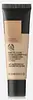
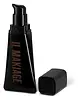
The Body Shop Matte Clay Skin Clarifying Foundation Versus Il Makiage After Party Next Gen Full Coverage Foundation


What's inside
What's inside
 Key Ingredients
Benefits
Concerns
Ingredients Side-by-side
Water
Skin ConditioningDimethicone
Emollient

Isododecane
EmollientNylon-12


Acrylates/Polytrimethylsiloxymethacrylate Copolymer
Skin ConditioningButylene Glycol
Humectant

Silica
Abrasive

Isohexadecane
EmollientIsononyl Isononanoate
EmollientPentylene Glycol
Skin Conditioning
Bis-PEG/PPG-14/14 Dimethicone
Emollient
Synthetic Fluorphlogopite
Cetyl PEG/PPG-10/1 Dimethicone
Emulsifying
Magnesium Sulfate
Phenoxyethanol
Preservative
Caprylyl Glycol
Emollient
Acrylonitrile/Methyl Methacrylate/Vinylidene Chloride Copolymer
Polyglyceryl-4 Isostearate
Emulsifying

Disteardimonium Hectorite
StabilisingDisodium Stearoyl Glutamate
CleansingGlycerin
Humectant
Calcium Gluconate
HumectantSilica Silylate
Emollient
Perlite
Absorbent
Magnesium Gluconate
Skin ConditioningMoroccan Lava Clay
Abrasive
Tocopherol
Antioxidant





Aluminum Hydroxide
EmollientIsobutane
Melaleuca Alternifolia Leaf Oil
Antioxidant





Spiraea Ulmaria Extract
AstringentAloe Barbadensis Leaf Juice Powder
Skin Conditioning
Buddleja Davidii Extract
Skin ConditioningThymus Vulgaris Flower/Leaf Extract
MaskingPentaerythrityl Tetra-Di-T-Butyl Hydroxyhydrocinnamate
Antioxidant
CI 77891
Cosmetic ColorantCI 77491
Cosmetic ColorantCI 77492
Cosmetic ColorantWater, Dimethicone, Isododecane, Nylon-12, Acrylates/Polytrimethylsiloxymethacrylate Copolymer, Butylene Glycol, Silica, Isohexadecane, Isononyl Isononanoate, Pentylene Glycol, Bis-PEG/PPG-14/14 Dimethicone, Synthetic Fluorphlogopite, Cetyl PEG/PPG-10/1 Dimethicone, Magnesium Sulfate, Phenoxyethanol, Caprylyl Glycol, Acrylonitrile/Methyl Methacrylate/Vinylidene Chloride Copolymer, Polyglyceryl-4 Isostearate, Disteardimonium Hectorite, Disodium Stearoyl Glutamate, Glycerin, Calcium Gluconate, Silica Silylate, Perlite, Magnesium Gluconate, Moroccan Lava Clay, Tocopherol, Aluminum Hydroxide, Isobutane, Melaleuca Alternifolia Leaf Oil, Spiraea Ulmaria Extract, Aloe Barbadensis Leaf Juice Powder, Buddleja Davidii Extract, Thymus Vulgaris Flower/Leaf Extract, Pentaerythrityl Tetra-Di-T-Butyl Hydroxyhydrocinnamate, CI 77891, CI 77491, CI 77492
Water
Skin ConditioningIsohexadecane
EmollientSynthetic Fluorphlogopite
Undecane
EmollientNylon-12
Cetyl PEG/PPG-10/1 Dimethicone
Emulsifying
Polymethylsilsesquioxane
Tridecane
Perfuming
CI 77120
Cosmetic ColorantTalc
Abrasive
Polyglyceryl-4 Isostearate
Emulsifying
Silica
Abrasive
Polyglyceryl-2 Triisostearate
Emulsifying
Propanediol
Solvent
Cyclopentasiloxane
Emollient
Disteardimonium Hectorite
StabilisingIsononyl Isononanoate
Emollient1,2-Hexanediol
Skin Conditioning
Caprylyl Glycol
Emollient
Parfum
Masking
Dimethicone Crosspolymer
Emulsion Stabilising
Aluminum Hydroxide
EmollientHelianthus Annuus Seed Oil
Emollient
Sodium Lauroyl Glutamate
SurfactantTetrasodium EDTA
ChelatingDehydroxanthan Gum
Emulsion StabilisingRosmarinus Officinalis Leaf Extract
AntimicrobialLysine
Skin ConditioningMagnesium Chloride
Palmitic Acid
Emollient

Tropolone
Skin ConditioningTocopherol
Antioxidant
Magnesium Hydroxide
AbsorbentCI 77891
Cosmetic ColorantIron Oxides
Water, Isohexadecane, Synthetic Fluorphlogopite, Undecane, Nylon-12, Cetyl PEG/PPG-10/1 Dimethicone, Polymethylsilsesquioxane, Tridecane, CI 77120, Talc, Polyglyceryl-4 Isostearate, Silica, Polyglyceryl-2 Triisostearate, Propanediol, Cyclopentasiloxane, Disteardimonium Hectorite, Isononyl Isononanoate, 1,2-Hexanediol, Caprylyl Glycol, Parfum, Dimethicone Crosspolymer, Aluminum Hydroxide, Helianthus Annuus Seed Oil, Sodium Lauroyl Glutamate, Tetrasodium EDTA, Dehydroxanthan Gum, Rosmarinus Officinalis Leaf Extract, Lysine, Magnesium Chloride, Palmitic Acid, Tropolone, Tocopherol, Magnesium Hydroxide, CI 77891, Iron Oxides
Ingredients Explained
These ingredients are found in both products.
Ingredients higher up in an ingredient list are typically present in a larger amount.
Aluminum Hydroxide is a form of aluminum. It can be naturally found in nature as the mineral gibbsite. In cosmetics, Aluminum Hydroxide is used as a colorant, pH adjuster, and absorbent.
As a colorant, Aluminum Hydroxide may add opacity, or reduce the transparency. Aluminum hydroxide is contains both basic and acidic properties.
According to manufacturers, this ingredient is an emollient and humectant. This means it helps hydrate the skin.
In medicine, this ingredient is used to help relieve heartburn and help heal ulcers.
There is currently no credible scientific evidence linking aluminum hydroxide in cosmetics to increased cancer risk.
Major health organizations allow the use of aluminum hydroxide in personal care products and have not flagged it as a carcinogenic risk at typical usage levels.
Learn more about Aluminum HydroxideCaprylyl Glycol is a humectant, skin conditioner, emollient, and preservative booster derived from either caprylic acid or synthetically created.
Typical use levels vary from 0.3-1% as a preservative booster and go up to 2% to condition skin.
Because it is not a free-fatty acid, this ingredient is fungal acne safe (there's nothing for Malassezia to feed on).
Learn more about Caprylyl GlycolThis ingredient is a silicone-based emulsifer that helps the water and oil phases play nicely together.
It's pretty effective because one end of the molecule loves oil and the other one loves water.
Besides holding formulas together, it also leaves a silky and lightweight feel on skin without the greasiness. A manufacturer also claims it can help with the controlled release of active ingredients.
The CIR Expert Panel found this ingredient to not be sensitizing in concentrations up to 15% in human maximazation testing and dimethicone-based compounds were not comedogenic.
It has a high molecular weight well above 1,000 g/mol which means it limits meaningful skin penetration.
A 2019 study specifically tested this ingredient and found no observable Malassezia growth in its presence.
Learn more about Cetyl PEG/PPG-10/1 DimethiconeCi 77891 is a white pigment from Titanium dioxide. It is naturally found in minerals such as rutile and ilmenite.
It's main function is to add a white color to cosmetics. It can also be mixed with other colors to create different shades.
Ci 77891 is commonly found in sunscreens due to its ability to block UV rays.
Learn more about CI 77891Disteardimonium Hectorite comes from the clay mineral named hectorite. It is used to add thickness to a product.
It can also help stabilize a product by helping to disperse other ingredients.
Hectorite is a rare, white clay mineral.
Learn more about Disteardimonium HectoriteIsohexadecane is added to enhance texture, emulsify, and to help cleanse. It is an isoparrafin. It is a component of petrolatum.
Due to its large size, Isohexadecane is not absorbed by the skin. Instead, it sits on top and acts as an emollient. Emollients help keep your skin soft and smooth by trapping moisture within.
Isohexadecane is often used in products designed to help oily skin. It is lightweight and non-greasy while helping to moisturize. When mixed with silicones, it gives a product a silky feel.
Learn more about IsohexadecaneIsononyl Isononanoate is a synthetic skin-conditioner and texture enhancer. It is created from nonanoic acid, a fatty acid found in cocoa and lavender oil.
As an emollient, Isononyl Isononanoate helps keep your skin soft and smooth. This is because emollients create a barrier on the skin to trap moisture in.
Isononyl Isononanoate helps give products a velvet feel and improves spreadability.
Learn more about Isononyl IsononanoateNylon-12 is a polymer. It is derived from 12-aminododecanoic acid, an omega-amino fatty acid
According to a manufacturer, it is a talc substitute. Like talc, nylon-12 gives products a satin feel. The manufacturer also claims this ingredients does not block pores and has moderate oil absorption.
This ingredient may not be reef-safe.
Learn more about Nylon-12Polyglyceryl-4 Isostearate is a plant-derived, PEG-free emulsifier.
It's made by hooking isostearic acid onto a chain of glycerin units to give it a water-loving "head" and oil-loving "tail". This allows it to keep the oil and water mixed in a formula.
The highest reported concentration is about 24% in eye makeup but most suppliers recommend a level below 10%.
It has a clean track record for safety and found to be non-irritating.
Because it is an ester of a C18 fatty acid, Malassezia can potentially metabolize it (it sits in the C11-24 range that Malassezia likes). Therefore, this ingredient may not be fungal acne safe.
Learn more about Polyglyceryl-4 IsostearateSilica, also known as silicon dioxide, is a naturally occurring mineral. It is used as a fine, spherical, and porous powder in cosmetics.
Though it has exfoliant properties, the function of silica varies depending on the product.
The unique structure of silica enhances the spreadability and adds smoothness, making it a great texture enhancer.
It is also used as an active carrier, emulsifier, and mattifier due to its ability to absorb excess oil.
In some products, tiny microneedles called spicules are made from silica or hydrolyzed sponge. When you rub them in, they lightly polish away dead skin layers and enhance the penetration of active ingredients.
Learn more about SilicaSynthetic Fluorphlogopite is the synthethic version of mica. It consists of fluorine, aluminum and silicate.
Synthetic Fluorphlogopite is used to add volume to products.
It is considered non-irritating on the skin.
Learn more about Synthetic FluorphlogopiteTocopherol is a fat-soluble antioxidant known as Vitamin E.
You'll find this ingredient in the vast majority of skincare (for good reason). It works to neutralize free radicals, or unstable molecules generated by UV exposure, pollution, and other environmental stressors, before they can cause oxidative damage to your skin cells.
Topically applied tocopherol has been shown to protect against UV damage by ramping up the skin's own natural defense enzymes.
It also acts as a skin conditioning agent; some studies show that regular topical use can improve the skin's water-binding capacity over 2-4 weeks.
This ingredient is especially loved for being a team player. When combined with Vitamin C, the photoprotective effect of both ingredients roughly doubles and the combo also helps reduce UV-induced DNA damage.
This ingredient has some brightening potential but it's more of a prevention ingredient than spot-fader. Cell studies show it can slow down melanin production but it's worth noting that it's not the most powerful brightener out there.
In formulations, it also serves as a stabilizer that helps protect other oxidation-prone ingredients from degrading.
Concentrations usually range from 0.1-1% in most leave-on products.
Learn more about TocopherolWater. It's the most common cosmetic ingredient of all. You'll usually see it at the top of ingredient lists, meaning that it makes up the largest part of the product.
So why is it so popular? Water most often acts as a solvent - this means that it helps dissolve other ingredients into the formulation.
You'll also recognize water as that liquid we all need to stay alive. If you see this, drink a glass of water. Remember to stay hydrated!
Learn more about Water

