
What's inside
What's inside
 Key Ingredients
Benefits
Concerns
No concerns
Ingredients Side-by-side
Water
Skin ConditioningAzelaic Acid
Buffering









Propylene Glycol
Humectant


Sodium Hydroxide
BufferingPentylene Glycol
Skin Conditioning
Panthenol
Skin Conditioning
Sorbitol
Humectant
Chondrus Crispus Extract
Skin Conditioning
Hydroxyethylcellulose
Emulsion StabilisingChlorella Vulgaris Extract
Skin ConditioningGlucose
Humectant
Saccharum Officinarum Extract
Moisturising1,2-Hexanediol
Skin Conditioning
Butylene Glycol
Humectant
Fructooligosaccharides
Humectant
Fructose
Humectant
Ethylhexylglycerin
Skin ConditioningBiosaccharide Gum-1
Humectant
Tromethamine
BufferingXanthan Gum
EmulsifyingTocopherol
Antioxidant


Betaine
Humectant
Zinc PCA
Humectant
Dipropylene Glycol
HumectantHyaluronic Acid/Polyisopropylacrylamide Copolymer
Humectant
Caprylyl/Capryl Glucoside
CleansingHydrogenated Lecithin
Emulsifying
Ceramide NP
Skin Conditioning
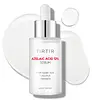
Water, Azelaic Acid, Propylene Glycol, Sodium Hydroxide, Pentylene Glycol, Panthenol, Sorbitol, Chondrus Crispus Extract, Hydroxyethylcellulose, Chlorella Vulgaris Extract, Glucose, Saccharum Officinarum Extract, 1,2-Hexanediol, Butylene Glycol, Fructooligosaccharides, Fructose, Ethylhexylglycerin, Biosaccharide Gum-1, Tromethamine, Xanthan Gum, Tocopherol, Betaine, Zinc PCA, Dipropylene Glycol, Hyaluronic Acid/Polyisopropylacrylamide Copolymer, Caprylyl/Capryl Glucoside, Hydrogenated Lecithin, Ceramide NP
Water
Skin ConditioningGlycerin
Humectant
Propanediol
Solvent
Caprylic/Capric Triglyceride
Masking
Cetyl Ethylhexanoate
Emollient1,2-Hexanediol
Skin Conditioning
Glyceryl Stearate
Emollient
Phenyl Trimethicone
Skin Conditioning
C14-22 Alcohols
Emulsion Stabilising
Polysorbate 60
Emulsifying
Arginine
Masking
Coptis Japonica Root Extract
Skin ConditioningCarbomer
Emulsion StabilisingButylene Glycol
Humectant
Corchorus Olitorius Leaf Extract
Skin ConditioningDaucus Carota Sativa Root Extract
Skin Conditioning
Ilex Paraguariensis Leaf Extract
Perfuming
Borago Officinalis Extract
Emollient
C12-20 Alkyl Glucoside
EmulsifyingCentella Asiatica Extract
Cleansing
Glucose
Humectant
Polyglyceryl-10 Laurate
Skin Conditioning
Ethylhexylglycerin
Skin ConditioningTripeptide-1
Skin Conditioning
Copper Tripeptide-1
Skin Conditioning
Palmitoyl Pentapeptide-4
Skin Conditioning
Palmitoyl Tripeptide-1
Skin Conditioning
Hexapeptide-9
Skin Conditioning
Hexapeptide-11
Skin Conditioning
Acetyl Tetrapeptide-2
Skin Conditioning
Acetyl Tetrapeptide-5
Humectant
Palmitoyl Tripeptide-5
Skin Conditioning
Water, Glycerin, Propanediol, Caprylic/Capric Triglyceride, Cetyl Ethylhexanoate, 1,2-Hexanediol, Glyceryl Stearate, Phenyl Trimethicone, C14-22 Alcohols, Polysorbate 60, Arginine, Coptis Japonica Root Extract, Carbomer, Butylene Glycol, Corchorus Olitorius Leaf Extract, Daucus Carota Sativa Root Extract, Ilex Paraguariensis Leaf Extract, Borago Officinalis Extract, C12-20 Alkyl Glucoside, Centella Asiatica Extract, Glucose, Polyglyceryl-10 Laurate, Ethylhexylglycerin, Tripeptide-1, Copper Tripeptide-1, Palmitoyl Pentapeptide-4, Palmitoyl Tripeptide-1, Hexapeptide-9, Hexapeptide-11, Acetyl Tetrapeptide-2, Acetyl Tetrapeptide-5, Palmitoyl Tripeptide-5
Reviews
Ingredients Explained
These ingredients are found in both products.
Ingredients higher up in an ingredient list are typically present in a larger amount.
1,2-Hexanediol is a synthetic liquid and another multi-functional powerhouse.
It is a:
- Humectant, drawing moisture into the skin
- Emollient, helping to soften skin
- Solvent, dispersing and stabilizing formulas
- Preservative booster, enhancing the antimicrobial activity of other preservatives
Butylene Glycol (or BG) is used within cosmetic products for a few different reasons:
Overall, Butylene Glycol is a safe and well-rounded ingredient that works well with other ingredients.
Though this ingredient works well with most skin types, some people with sensitive skin may experience a reaction such as allergic rashes, closed comedones, or itchiness.
Learn more about Butylene GlycolEthylhexylglycerin is created from glycerin. It is a multitasker ingredient that:
The CIR Expert Panel found minimal skin absorption or sensitization of any kind in a safety assessment. Though this ingredient is considered well-tolerated, a small number of cases of allergic dermatitis have been published since 2002. Just be sure to patch test if you are unsure.
Industry-reported use ranges from 8% in rinse-off products and 2% in leave-on formulations.
Learn more about EthylhexylglycerinGlucose is a simple sugar (a monosaccharide). In skincare, it is mostly a humectant and skin conditioning agent.
Mechanistically, it has multiple hydroxyl groups that hydrogen-bond to water. This pulls moisture into the upper layers of skin to keep the surface soft and hydrated.
It's worth knowing sugars are already a natural component of the skin's NMF (natural moisturizing factor) so it's a molecule that your stratum corneum is well-acquainted with.
Just so you know, glucose is hydrophilic (water-loving) and the stratum corneum is a strong barrier to hydrophilic compounds. This just means penetration is slow and most of the action is happening on the surface.
Gram-to-gram, glucose is not as efficient as a humectant as glycerin. This is why you'll likely see glycose paired with stronger humectants for a bigger hydration payoff.
In skincare, glucose is typically derived from corn or other starch sources.
Learn more about GlucoseWater. It's the most common cosmetic ingredient of all. You'll usually see it at the top of ingredient lists, meaning that it makes up the largest part of the product.
So why is it so popular? Water most often acts as a solvent - this means that it helps dissolve other ingredients into the formulation.
You'll also recognize water as that liquid we all need to stay alive. If you see this, drink a glass of water. Remember to stay hydrated!
Learn more about Water
