Three Ships Beauty First Light Vitamin C + Caffeine Eye Cream Versus Swisse Argan Revitalising Eye Cream
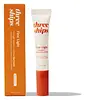
This barrier-repair eye moisturizer is formulated around Squalane to strengthen the skin barrier and hydrate skin.
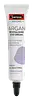
This anti-aging eye moisturizer is formulated around Argania Spinosa Kernel Oil and Caffeine to soften the look of wrinkles and hydrate skin.


What's inside
What's inside
 Benefits
Concerns
Ingredients Side-by-side
Water
Skin ConditioningCaprylic/Capric Triglyceride
Masking


Propanediol
Solvent
Vitis Vinifera Seed Oil
Emollient



Glycerin
Humectant
Cetearyl Olivate
Squalane
Emollient
Sorbitan Olivate
Emulsifying
Cetearyl Alcohol
Emollient



Glyceryl Stearate
Emollient
Glyceryl Caprylate
EmollientButyrospermum Parkii Butter
Skin Conditioning
Malpighia Emarginata Fruit Extract
Skin ConditioningCoffea Arabica Seed Oil
Masking
Xanthan Gum
EmulsifyingButylene Glycol
Humectant
Caprylhydroxamic Acid
ChelatingWater, Caprylic/Capric Triglyceride, Propanediol, Vitis Vinifera Seed Oil, Glycerin, Cetearyl Olivate, Squalane, Sorbitan Olivate, Cetearyl Alcohol, Glyceryl Stearate, Glyceryl Caprylate, Butyrospermum Parkii Butter, Malpighia Emarginata Fruit Extract, Coffea Arabica Seed Oil, Xanthan Gum, Butylene Glycol, Caprylhydroxamic Acid
Water
Skin ConditioningVitis Vinifera
MaskingVitis Vinifera Seed Oil
Emollient
Cetearyl Alcohol
Emollient
Glycerin
Humectant
Argania Spinosa Kernel Oil
Emollient


Squalane
Emollient
Cetearyl Olivate
Sorbitan Olivate
Emulsifying
Aloe Barbadensis Leaf Juice
Skin Conditioning
Aloe Barbadensis Leaf Juice Powder
Skin Conditioning
Coffea Arabica Seed Extract
Masking
Caffeine
Skin Conditioning
Menaquinone-7
AntiseborrhoeicPaullinia Cupana Seed Extract
Skin ConditioningCarthamus Tinctorius Seed Oil
Masking
Helianthus Annuus Seed Oil
Emollient
Caprylic/Capric Triglyceride
Masking
Glycine Soja Oil
Emollient
Vanilla Planifolia Fruit Extract
Skin Conditioning
Arnica Montana Flower Extract
Masking
Citrus Grandis Peel Oil
Masking


Citrus Aurantium Bergamia Fruit Oil
Masking
Fusanus Spicatus Wood Oil
Masking
Chamomilla Recutita Flower Extract
Masking
Sodium Citrate
BufferingSodium Stearoyl Glutamate
CleansingDehydroacetic Acid
Preservative
Benzyl Alcohol
Perfuming


Zea Mays Oil
Emulsifying
Water, Vitis Vinifera, Vitis Vinifera Seed Oil, Cetearyl Alcohol, Glycerin, Argania Spinosa Kernel Oil, Squalane, Cetearyl Olivate, Sorbitan Olivate, Aloe Barbadensis Leaf Juice, Aloe Barbadensis Leaf Juice Powder, Coffea Arabica Seed Extract, Caffeine, Menaquinone-7, Paullinia Cupana Seed Extract, Carthamus Tinctorius Seed Oil, Helianthus Annuus Seed Oil, Caprylic/Capric Triglyceride, Glycine Soja Oil, Vanilla Planifolia Fruit Extract, Arnica Montana Flower Extract, Citrus Grandis Peel Oil, Citrus Aurantium Bergamia Fruit Oil, Fusanus Spicatus Wood Oil, Chamomilla Recutita Flower Extract, Sodium Citrate, Sodium Stearoyl Glutamate, Dehydroacetic Acid, Benzyl Alcohol, Zea Mays Oil
Ingredients Explained
These ingredients are found in both products.
Ingredients higher up in an ingredient list are typically present in a larger amount.
Caprylic/Capric Triglyceride (aka MCT Oil) is a lightweight emollient, solvent, and texture enhancer. It is considered a skin-softener by helping to prevent moisture loss.
Though it behaves like an oil, it is not technically one due to its chemical composition. One perk of this ingredient is that it is very stable, resistant to oxidation, and unlikely to go rancid.
In practice, that translates to a long shelf life and a consistently elegant skin feel.
While there is an assumption Caprylic Triglyceride can clog pores due to it being derived from coconut oil, there is no research supporting this. Just patch test if you have concerns.
Fractionated coconut oil and MCT Oil are both listed as Caprylic/Capric Triglyceride according to INCI. This is because INCI names are based on the ingredient’s final chemical composition and not its marketing name or source.
This ingredient is treated as the gold standard fungal acne safe oil. Even though it is coconut derived, the problematic lauric acid is stripped out.
This leaves just caprylic (C8) and capric (C10) acid. These chain lengths actually trend antifungal; a 2020 study found caprylic acid was enough to disrupt Malassezia furfur cell membrane, with a caprylic acid derivative damaging membrane structures at concentrations as low as 0.2%.
Learn more about Caprylic/Capric TriglycerideCetearyl alcohol is a waxy mixture of two fatty alcohols: cetyl alcohol and stearyl alcohol. It is an emollient and emulsifier.
Despite having "alcohol" in its name, it has nothing to do with drying solvent alcohols; the FDA also allows "alcohol-free" products to contain fatty alcohols like this ingredient.
It plays several roles in a formula:
Typical use levels for this ingredient sit around 1-10% and the Cosmetic Ingredient Review Expert Panel has affirmed safety at concentrations up to 25% in leave-on products.
Multiple assessments have found it to be non-irritating and non-sensitizing to most people.
However, there have been some cases of allergic contact dermatitis in patients with chronically compromised skin barriers.
Cetearyl alcohol has a comedogenic rating of 2 and irritancy rating of 1. Both of these numbers come from the 1989 study that used rabbit ears; a "2" means mildly comedogenic and a "1" means low irritancy.
Here's the catch: rabbit skin is more sensitive than human skin and throws a lot of false positives. A 1996 reappraisal found that ingredients rated 1-2 in the rabbit ear tests are generally safe for humans.
Remember comedogenic ratings are unable to assess the entire formula of a product or how it will react on your skin. Just be sure to patch test if you are unsure about certain ingredients.
This ingredient is not fungal acne safe. Cetearyl alcohol is a fatty alcohol with chain lengths that fall within the range that Malassezia can metabolize.
A 2019 study has also observed Malassezia growth in the presence of this ingredient, confirming it to be not-fungal acne safe.
Learn more about Cetearyl AlcoholCetearyl Olivate is a plant-derived emulsifier and texture enhancer. It helps keep the oil and water phases from separating so your formulas stay stable.
You'll likely see it combined with Sorbitan Olivate (together sold as the trade name Olivem 1000). This combination generates a liquid crystal structure that closely resemble the lipid organization of the stratum corneum.
These "skin-like" liquid crystals improve skin barrier integrity and promote the delivery of actives into the skin.
This ingredient is well-tolerated and has no significant sensitization data.
Because it is derived from the fatty acids in olive oil, this ingredient may not be fungal acne safe.
Learn more about Cetearyl OlivateGlycerin (or glycerol) is a compound naturally found in your skin. It's a powerhouse humectant that pulls water into the stratum corneum.
Topically, glycerin does several things at once:
Your skin makes glycerin on its own (mostly from sebaceous oil breakdown) and shuttles it to your outermost layer of skin, or your epidermis, via aquaporin-3.
Aquaporin-3 is a transporter that is essential for normal skin hydration, elasticity, and repair. Interestingly, mice lacking in AQP3 have dry and less elastic skin that can be fully corrected with glycerin.
This ingredient is non-irritating, plays well with almost every ingredient, and works across all skin types. Typical use is anywhere between 3-10% but can go up to 79% in some leave-on products.
Just know very high concentrations (>40%) can feel tacky in low humidity.
Glycerin is the name for this ingredient in American English. British English uses Glycerol/Glycerine.
Learn more about GlycerinSorbitan Olivate is created from the fatty acids in olive oil and sorbitol.
This ingredient is an oil in water emulsifier. It helps stabilize a product by preventing oils and waters from separating. Sorbitan Olivate also helps hydrate the skin.
This ingredient is also known as part of Olivem 1000, with Cetearyl Olivate being the other part.
According to a manufacturer, this ingredient helps preserve the natural microbiome of skin. Having a healthy microbiome helps keep our skin healthy and protects against harmful bacteria.
Please note, having a healthy microbiome is different from fungal acne; a healthy microbiome includes small amounts of yeast that normally live on your skin without causing problems.
Fungal acne happens when one type of yeast (Malassezia) grows out of control. This is usually because it's feeding on certain oils or fatty acids. Due to the olive oil base, this ingredient may not be fungal acne safe.
Learn more about Sorbitan OlivateSqualane is the hydrogenated and shelf-stable form of squalene (a lipid that naturally occurs in human sebum).
It is an emollient and skin conditioning agent that is able to integrate seamlessly into the skin's lipid barrier without clogging pores.
This is due to how structurally similar it is to what your skin already produces.
Though it is mostly an emollient that helps soften and hydrate skin, it also has some humectant and occlusive action. Humectants help the skin retain moisture while occlusives seal it in, making squalane a triple-threat moisturizer.
Research shows it has antioxidant capabilities that help protect against stressors like UV exposure, specifically UVA induced oxidative stress. This study also found that it supports collagen biosynthesis in human dermal fibroblasts.
No clinical study has reported significant adverse effects and irritation reactions are very rare from this ingredient (even at 100% concentration).
Overall, it's a fantastic ingredient for hydration and is suitable for all skin types.
This depends on the source. Squalane can be derived from both plants and animals. Most squalane used in skincare comes from plants.
Please note: the source of squalane is only known if disclosed by the brand. We recommend reaching out to the brand if you have any questions about their squalane.
Read more about squalene with an "e".
Though squalane is often called an oil, it’s technically not one. It is a hydrocarbon, meaning it is only made of carbon and hydrogen. True oils are triglycerides and made of fatty acids and glycerol.
The term “oil-free” isn’t regulated so companies can define it however they want. Some exclude all oils, while others just avoid mineral oil or comedogenic oils.
Squalane has a comedogenic rating of 1 from the original 1972 study that tested raw ingredients under occlusion on rabbit ears. This system is not standardized or peer-reviewed, and using the raw ingredients is very different from how diluted cosmetic formulations are used on human skin.
A comedogenic rating of 1 means it is "unlikely to clog pores" according to the original rating system.
The overall formula of a product matters more than the individual ingredients on whether or not it will cause clogged pores.
Learn more about SqualaneVitis Vinifera Seed Oil comes from the grape vine. Grape seeds are a byproduct of creating grape juice or wine.
The components of grape seeds have many skin benefits. Research has found it to be antimicrobial and anti-inflammatory. It also contains many potent antioxidants such as Vitamin E , Vitamin C, proanthocyanidins, polyphenols, flavonoids, and anthocyanins. Proanthocyanidin has been shown to help even out skin tone.
Antioxidants help fight free-radical molecules. Free-radical molecules are capable of damaging our cells and other genetic material. Antioxidants help stabilize free-radicals by donating extra electrons. Grape seed extract may help reduce the signs of aging.
The antimicrobial properties of grape seed may help treat acne. However, more research is needed to support this claim.
Grape seed has also been found to help absorb UV rays. Grape seed extract should not replace your sunscreen.
The fatty acids of grape seed oil give it emollient properties. Emollients help soothe and soften your skin by creating a film. This film traps moisture within, keeping your skin hydrated.
Learn more about Vitis Vinifera Seed OilWater. It's the most common cosmetic ingredient of all. You'll usually see it at the top of ingredient lists, meaning that it makes up the largest part of the product.
So why is it so popular? Water most often acts as a solvent - this means that it helps dissolve other ingredients into the formulation.
You'll also recognize water as that liquid we all need to stay alive. If you see this, drink a glass of water. Remember to stay hydrated!
Learn more about Water

