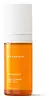
This brightening serum is formulated around Ascorbyl Tetraisopalmitate and Ascorbyl Glucoside to brighten dull-looking skin and fade the look of dark spots.
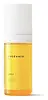
This barrier-repair serum is formulated around Panthenol and Linoleic Acid to strengthen the skin barrier and calm redness.

What's inside
What's inside
 Key Ingredients
Benefits
Concerns
Ingredients Side-by-side
Water
Skin ConditioningAscorbyl Tetraisopalmitate
Antioxidant




Propanediol
Solvent

Ascorbyl Glucoside
Antioxidant


Glycerin
Humectant
Tricaprylin
Perfuming

Methylpropanediol
SolventGlycine Soja Seed Extract
Skin Conditioning
Tocopheryl Acetate
Antioxidant
Ascorbyl Methylsilanol Pectinate
Antioxidant
Ferulic Acid
Antimicrobial
Lecithin
Emollient
Sclerotium Gum
Emulsion StabilisingPullulan
Xanthan Gum
EmulsifyingSilica
Abrasive


Sodium Hydroxide
BufferingSodium Citrate
BufferingCitric Acid
Buffering
Sodium Benzoate
Masking
Potassium Sorbate
Preservative
Water, Ascorbyl Tetraisopalmitate, Propanediol, Ascorbyl Glucoside, Glycerin, Tricaprylin, Methylpropanediol, Glycine Soja Seed Extract, Tocopheryl Acetate, Ascorbyl Methylsilanol Pectinate, Ferulic Acid, Lecithin, Sclerotium Gum, Pullulan, Xanthan Gum, Silica, Sodium Hydroxide, Sodium Citrate, Citric Acid, Sodium Benzoate, Potassium Sorbate
Water
Skin ConditioningPanthenol
Skin Conditioning
Linoleic Acid
Cleansing
Coco-Caprylate
Emollient
Glycerin
Humectant
C15-19 Alkane
SolventPersea Gratissima Oil
Skin Conditioning


Polyglyceryl-6 Distearate
Emulsifying
Saccharomyces Ferment
Skin Conditioning
Dimethicone
Emollient
Glyceryl Stearate
Emollient
Helianthus Annuus Seed Oil
Emollient
Phytonadione Epoxide
AstringentUbiquinone
Antioxidant
Linolenic Acid
Cleansing
Lauroyl Lysine
Skin Conditioning
Haematococcus Pluvialis Extract
Antioxidant
Squalene
Emollient
Beta-Sitosterol
Emulsion Stabilising
Dimethicone/Vinyl Dimethicone Crosspolymer
Skin Conditioning
Xanthan Gum
EmulsifyingDisodium Stearoyl Glutamate
CleansingSclerotium Gum
Emulsion StabilisingTocopherol
Antioxidant
Phenoxyethanol
Preservative
Ethylhexylglycerin
Skin ConditioningWater, Panthenol, Linoleic Acid, Coco-Caprylate, Glycerin, C15-19 Alkane, Persea Gratissima Oil, Polyglyceryl-6 Distearate, Saccharomyces Ferment, Dimethicone, Glyceryl Stearate, Helianthus Annuus Seed Oil, Phytonadione Epoxide, Ubiquinone, Linolenic Acid, Lauroyl Lysine, Haematococcus Pluvialis Extract, Squalene, Beta-Sitosterol, Dimethicone/Vinyl Dimethicone Crosspolymer, Xanthan Gum, Disodium Stearoyl Glutamate, Sclerotium Gum, Tocopherol, Phenoxyethanol, Ethylhexylglycerin
Reviews
Ingredients Explained
These ingredients are found in both products.
Ingredients higher up in an ingredient list are typically present in a larger amount.
Glycerin (or glycerol) is a compound naturally found in your skin. It's a powerhouse humectant that pulls water into the stratum corneum.
Topically, glycerin does several things at once:
Your skin makes glycerin on its own (mostly from sebaceous oil breakdown) and shuttles it to your outermost layer of skin, or your epidermis, via aquaporin-3.
Aquaporin-3 is a transporter that is essential for normal skin hydration, elasticity, and repair. Interestingly, mice lacking in AQP3 have dry and less elastic skin that can be fully corrected with glycerin.
This ingredient is non-irritating, plays well with almost every ingredient, and works across all skin types. Typical use is anywhere between 3-10% but can go up to 79% in some leave-on products.
Just know very high concentrations (>40%) can feel tacky in low humidity.
Glycerin is the name for this ingredient in American English. British English uses Glycerol/Glycerine.
Learn more about GlycerinSclerotium Gum is a natural sugar-based fiber made by fermenting a fungus called Sclerotium rolfsii. It's often used as the plant-friendly alternative for synthetic thickeners like carbomer.
In skincare, it works as a thickener, gel former, and stabilizer that keeps heavy ingredients suspended so a product does not separate.
It is non-ionic and forms a triple helix in solution. This is just a fancy way of saying it builds a smooth, cushiony, and non-sticky gel that feels silkier than many other gums.
Another perk of this ingredient is that it is very sturdy and holds up across a wide pH range (~2-11). It's also good at resisting heat and hydrolysis.
Since it holds water at the skin surface, it can provide some light hydration as well.
Typical use levels are around 0.25-2%; formulators usually use 0.2-0.5% to thicken lotions and up to 2% for a firmer gel base.
This ingredient has been found safe in cosmetics with no meaningful evidence of skin sensitization.
Learn more about Sclerotium GumWater. It's the most common cosmetic ingredient of all. You'll usually see it at the top of ingredient lists, meaning that it makes up the largest part of the product.
So why is it so popular? Water most often acts as a solvent - this means that it helps dissolve other ingredients into the formulation.
You'll also recognize water as that liquid we all need to stay alive. If you see this, drink a glass of water. Remember to stay hydrated!
Learn more about WaterXanthan gum is used as a stabilizer and thickener within cosmetic products. It helps give products a sticky, thick feeling - preventing them from being too runny.
On the technical side of things, xanthan gum is a polysaccharide - a combination consisting of multiple sugar molecules bonded together.
Xanthan gum is a pretty common and great ingredient. It is a natural, non-toxic, non-irritating ingredient that is also commonly used in food products.
Learn more about Xanthan Gum

