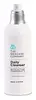
This salicylic acid cream cleanser is formulated around Salicylic Acid to clear breakouts and unclog pores.
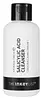
This salicylic acid gel cleanser is formulated around Salicylic Acid to clear breakouts and unclog pores.


What's inside
What's inside
 Key Ingredients
Benefits
Concerns
Ingredients Side-by-side
Water
Skin ConditioningButylene Glycol
Humectant

Cetearyl Alcohol
Emollient






Lactic Acid
Buffering








Ceteareth-20
Cleansing
Triethanolamine
BufferingPanthenol
Skin Conditioning

Niacinamide
Smoothing

Tocopherol
Antioxidant

Tocopheryl Acetate
Antioxidant
Bisabolol
Antioxidant
Salicylic Acid
Masking


Aloe Barbadensis Leaf Extract
Emollient
Xanthan Gum
EmulsifyingCarica Papaya Fruit Extract
Skin ConditioningRosa Damascena Flower Water
Masking
Water
Skin ConditioningPropanediol
Solvent
Glycerin
Humectant
Sodium Methyl Cocoyl Taurate
Cleansing
Cocamidopropyl Betaine
Cleansing
PEG-120 Methyl Glucose Dioleate
Emulsifying
Salicylic Acid
Masking
PEG-150 Pentaerythrityl Tetrastearate
Emulsifying
PEG-6 Caprylic/Capric Glycerides
EmulsifyingBetaine
Humectant
Zinc PCA
Humectant
Phenoxyethanol
Preservative
Sodium Chloride
MaskingAllantoin
Skin Conditioning
Sodium Hydroxide
BufferingCoco-Glucoside
Cleansing
Glyceryl Oleate
Emollient

Benzyl Alcohol
Perfuming

Coconut Acid
Cleansing
Ethylhexylglycerin
Skin ConditioningSodium Benzoate
Masking
Citric Acid
Buffering
Dehydroacetic Acid
Preservative
Trisodium Ethylenediamine Disuccinate
ChelatingTocopherol
Antioxidant
Hydrogenated Palm Glycerides Citrate
Emollient
Water, Propanediol, Glycerin, Sodium Methyl Cocoyl Taurate, Cocamidopropyl Betaine, PEG-120 Methyl Glucose Dioleate, Salicylic Acid, PEG-150 Pentaerythrityl Tetrastearate, PEG-6 Caprylic/Capric Glycerides, Betaine, Zinc PCA, Phenoxyethanol, Sodium Chloride, Allantoin, Sodium Hydroxide, Coco-Glucoside, Glyceryl Oleate, Benzyl Alcohol, Coconut Acid, Ethylhexylglycerin, Sodium Benzoate, Citric Acid, Dehydroacetic Acid, Trisodium Ethylenediamine Disuccinate, Tocopherol, Hydrogenated Palm Glycerides Citrate
Reviews
Ingredients Explained
These ingredients are found in both products.
Ingredients higher up in an ingredient list are typically present in a larger amount.
Salicylic Acid (also known as beta hydroxy acid or BHA) is a well-known ingredient for treating skin that struggles with acne and clogged pores. It exfoliates both the skin's surface and deep within the pores to help clear out buildup, control oil, and reduce inflammation.
Unlike AHAs (alpha hydroxy acids), salicylic acid is oil-soluble. This allows it to penetrate into pores which makes it especially effective for treating blackheads and preventing future breakouts.
Salicylic acid is also known for its soothing properties. It has a similar structure to aspirin and can calm inflamed or irritated skin, making it a good option for acne-prone skin that is also sensitive.
Concentrations of 0.5-2% are recognized by the U.S. FDA as an over-the-counter topical acne product.
It can cause irritation and/or dryness if one's skin already has a compromised moisture barrier, so it's best to focus on repairing that before introducing this ingredient into your routine.
While salicylic acid does not increase sun sensitivity, it’s still important to wear sunscreen daily to protect your skin.
If you are looking for the ingredient called BHA or Butylated Hydroxyanisole, click here.
Learn more about Salicylic AcidTocopherol is a fat-soluble antioxidant known as Vitamin E.
You'll find this ingredient in the vast majority of skincare (for good reason). It works to neutralize free radicals, or unstable molecules generated by UV exposure, pollution, and other environmental stressors, before they can cause oxidative damage to your skin cells.
Topically applied tocopherol has been shown to protect against UV damage by ramping up the skin's own natural defense enzymes.
It also acts as a skin conditioning agent; some studies show that regular topical use can improve the skin's water-binding capacity over 2-4 weeks.
This ingredient is especially loved for being a team player. When combined with Vitamin C, the photoprotective effect of both ingredients roughly doubles and the combo also helps reduce UV-induced DNA damage.
This ingredient has some brightening potential but it's more of a prevention ingredient than spot-fader. Cell studies show it can slow down melanin production but it's worth noting that it's not the most powerful brightener out there.
In formulations, it also serves as a stabilizer that helps protect other oxidation-prone ingredients from degrading.
Concentrations usually range from 0.1-1% in most leave-on products.
Learn more about TocopherolWater. It's the most common cosmetic ingredient of all. You'll usually see it at the top of ingredient lists, meaning that it makes up the largest part of the product.
So why is it so popular? Water most often acts as a solvent - this means that it helps dissolve other ingredients into the formulation.
You'll also recognize water as that liquid we all need to stay alive. If you see this, drink a glass of water. Remember to stay hydrated!
Learn more about Water

