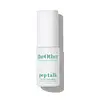
This anti-aging serum is formulated around Acetyl Octapeptide-3 and Bakuchiol to soften the look of wrinkles and refine skin texture.
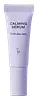
This calming serum is formulated around Aloe Barbadensis Leaf Juice and Saccharide Isomerate to calm redness and hydrate skin.


What's inside
What's inside
 Key Ingredients
Benefits
Concerns
Ingredients Side-by-side
Water
Skin ConditioningSqualane
Emollient


Acetyl Octapeptide-3
Humectant
Propanediol
Solvent
Glycerin
Humectant
Sodium PCA
Humectant
Cetearyl Alcohol
Emollient






Gluconolactone
Chelating





Glyceryl Stearate
Emollient
Jojoba Esters
Emollient
Bakuchiol
Antimicrobial



Hippophae Rhamnoides Fruit Oil
Skin Protecting
Xanthan Gum
EmulsifyingRosmarinus Officinalis Extract
AntimicrobialMelia Azadirachta Leaf Extract
Skin ConditioningLecithin
Emollient
Sclerotium Gum
Emulsion StabilisingPullulan
Helianthus Annuus Seed Wax
Skin Conditioning
Sodium Stearoyl Glutamate
CleansingMelia Azadirachta Flower Extract
Skin ConditioningCorallina Officinalis Extract
Skin Conditioning
Sodium Benzoate
Masking
Sodium Phytate
ChelatingCoccinia Indica Fruit Extract
Skin Conditioning
Citrus Limon Fruit Extract
Masking
Solanum Melongena Fruit Extract
Skin ConditioningAloe Barbadensis Flower Extract
EmollientPolyglycerin-3
Humectant
Ocimum Sanctum Leaf Extract
Skin ConditioningOcimum Basilicum Flower/Leaf Extract
TonicCurcuma Longa Root Extract
Antioxidant
Tetrapeptide-30
Skin Conditioning
Palmitoyl Tripeptide-5
Skin Conditioning
Water, Squalane, Acetyl Octapeptide-3, Propanediol, Glycerin, Sodium PCA, Cetearyl Alcohol, Gluconolactone, Glyceryl Stearate, Jojoba Esters, Bakuchiol, Hippophae Rhamnoides Fruit Oil, Xanthan Gum, Rosmarinus Officinalis Extract, Melia Azadirachta Leaf Extract, Lecithin, Sclerotium Gum, Pullulan, Helianthus Annuus Seed Wax, Sodium Stearoyl Glutamate, Melia Azadirachta Flower Extract, Corallina Officinalis Extract, Sodium Benzoate, Sodium Phytate, Coccinia Indica Fruit Extract, Citrus Limon Fruit Extract, Solanum Melongena Fruit Extract, Aloe Barbadensis Flower Extract, Polyglycerin-3, Ocimum Sanctum Leaf Extract, Ocimum Basilicum Flower/Leaf Extract, Curcuma Longa Root Extract, Tetrapeptide-30, Palmitoyl Tripeptide-5
Water
Skin ConditioningAloe Barbadensis Leaf Juice
Skin Conditioning
Isoceteth-20
EmulsifyingXanthan Gum
EmulsifyingPropanediol
Solvent
Amodimethicone

Gluconolactone
Chelating
Saccharide Isomerate
Humectant
Squalane
Emollient
Sodium PCA
Humectant
Sodium Benzoate
Masking
Tocopherol
Antioxidant
Cetrimonium Chloride
Antimicrobial
Trideceth-10
CleansingMenthol
Masking

Enteromorpha Compressa Extract
Skin Protecting
Ormenis Multicaulis Oil
Masking
Calcium Gluconate
HumectantSilybum Marianum Fruit Extract
Skin Conditioning
Ocimum Sanctum Leaf Extract
Skin ConditioningLavandula Angustifolia Oil
Masking
Citric Acid
Buffering
Sodium Citrate
BufferingLinalool
Perfuming
Water, Aloe Barbadensis Leaf Juice, Isoceteth-20, Xanthan Gum, Propanediol, Amodimethicone, Gluconolactone, Saccharide Isomerate, Squalane, Sodium PCA, Sodium Benzoate, Tocopherol, Cetrimonium Chloride, Trideceth-10, Menthol, Enteromorpha Compressa Extract, Ormenis Multicaulis Oil, Calcium Gluconate, Silybum Marianum Fruit Extract, Ocimum Sanctum Leaf Extract, Lavandula Angustifolia Oil, Citric Acid, Sodium Citrate, Linalool
Ingredients Explained
These ingredients are found in both products.
Ingredients higher up in an ingredient list are typically present in a larger amount.
Gluconolactone is a PHA. PHAs are a great gentle alternative to traditional AHAs.
When applied, Gluconolactone has the same affect on skin as AHAs such as lactic acid. It helps dissolve the dead skin cells in the top layer of your skin. This improves texture and brightens the skin.
PHAs are more gentle than AHAs due to their larger structure. They do not penetrate as deeply as AHAs and take a longer time to dissolve dead cells. Studies show PHAs do not cause as much irritation.
Gluconolactone has some interesting properties:
In a 2004 study, Gluconolactone was found to prevent UV damage in mouse skin cells and has not been found to increase sun sensitivity. However, we still recommend wearing SPF daily.
This ingredient is is an created by reacting gluconic acid with an alcohol.
Learn more about GluconolactoneOcimum Sanctum Leaf Extract comes from the Holy Basil plant. Holy Basil is native to India.
Holy Basil is rich in antioxidants due to its high romarinic acid, ferulic acid, and rutin content. This gives it skin brightening and soothing properties.
While Holy Basil has many claims to help fight acne, more research is needed.
One thing to note is the presence of tannins; tannins are naturally found in nature. However, this compound may be skin-sensitizing.
Learn more about Ocimum Sanctum Leaf ExtractPropanediol is an all-star ingredient. It softens, hydrates, and smooths the skin.
It’s often used to:
Propanediol is not likely to cause sensitivity and considered safe to use. It is derived from corn or petroleum with a clear color and no scent.
Learn more about PropanediolSodium Benzoate is a preservative. It's used in both cosmetic and food products to inhibit the growth of mold and bacteria. It is typically produced synthetically.
Both the US FDA and EU Health Committee have approved the use of sodium benzoate. In the US, levels of 0.1% (of the total product) are allowed.
Sodium benzoate works as a preservative by inhibiting the growth of bacteria inside of cells. It prevents the cell from fermenting a type of sugar using an enzyme called phosphofructokinase.
It is the salt of benzoic acid. Foods containing sodium benzoate include soda, salad dressings, condiments, fruit juices, wines, and snack foods.
Studies for using ascorbic acid and sodium benzoate in cosmetics are lacking, especially in skincare routines with multiple steps.
We always recommend speaking with a professional, such as a dermatologist, if you have any concerns.
Learn more about Sodium BenzoateSodium PCA (the salt of PCA) is one of the most well-established humectants in skincare.
Why is it so special? Your skin already makes it naturally; it's a natural component of your skin's Natural Moisturizing Factor (NMF), or the mix of water-binding compounds inside your skin cells that keeps things soft and hydrated.
As a cosmetic ingredient, it grabs water and holds it in the upper layers of skin to smooth roughness and ease dehydration.
There's some clinical support for the NMF approach with a study showing that a cream built to mimic the skin's NMF significantly boosted hydration.
Safety-wise, this ingredient non-irritating, non-comedogenic, and non-phototoxic in testing, with minimal skin absorption.
It also works really well with other hydrators like glycerin or hyaluronic acid, and typical usage is somewhere between 0.2-4%.
Learn more about Sodium PCASqualane is the hydrogenated and shelf-stable form of squalene (a lipid that naturally occurs in human sebum).
It is an emollient and skin conditioning agent that is able to integrate seamlessly into the skin's lipid barrier without clogging pores.
This is due to how structurally similar it is to what your skin already produces.
Though it is mostly an emollient that helps soften and hydrate skin, it also has some humectant and occlusive action. Humectants help the skin retain moisture while occlusives seal it in, making squalane a triple-threat moisturizer.
Research shows it has antioxidant capabilities that help protect against stressors like UV exposure, specifically UVA induced oxidative stress. This study also found that it supports collagen biosynthesis in human dermal fibroblasts.
No clinical study has reported significant adverse effects and irritation reactions are very rare from this ingredient (even at 100% concentration).
Overall, it's a fantastic ingredient for hydration and is suitable for all skin types.
This depends on the source. Squalane can be derived from both plants and animals. Most squalane used in skincare comes from plants.
Please note: the source of squalane is only known if disclosed by the brand. We recommend reaching out to the brand if you have any questions about their squalane.
Read more about squalene with an "e".
Though squalane is often called an oil, it’s technically not one. It is a hydrocarbon, meaning it is only made of carbon and hydrogen. True oils are triglycerides and made of fatty acids and glycerol.
The term “oil-free” isn’t regulated so companies can define it however they want. Some exclude all oils, while others just avoid mineral oil or comedogenic oils.
Squalane has a comedogenic rating of 1 from the original 1972 study that tested raw ingredients under occlusion on rabbit ears. This system is not standardized or peer-reviewed, and using the raw ingredients is very different from how diluted cosmetic formulations are used on human skin.
A comedogenic rating of 1 means it is "unlikely to clog pores" according to the original rating system.
The overall formula of a product matters more than the individual ingredients on whether or not it will cause clogged pores.
Learn more about SqualaneWater. It's the most common cosmetic ingredient of all. You'll usually see it at the top of ingredient lists, meaning that it makes up the largest part of the product.
So why is it so popular? Water most often acts as a solvent - this means that it helps dissolve other ingredients into the formulation.
You'll also recognize water as that liquid we all need to stay alive. If you see this, drink a glass of water. Remember to stay hydrated!
Learn more about WaterXanthan gum is used as a stabilizer and thickener within cosmetic products. It helps give products a sticky, thick feeling - preventing them from being too runny.
On the technical side of things, xanthan gum is a polysaccharide - a combination consisting of multiple sugar molecules bonded together.
Xanthan gum is a pretty common and great ingredient. It is a natural, non-toxic, non-irritating ingredient that is also commonly used in food products.
Learn more about Xanthan Gum

