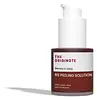
This smoothing treatment is formulated around Glycolic Acid and Salicylic Acid to refine skin texture and brighten dull-looking skin.
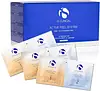
This smoothing treatment is formulated around Citric Acid and Salicylic Acid to refine skin texture and brighten dull-looking skin.


What's inside
What's inside
 Key Ingredients
Benefits
Concerns
Ingredients Side-by-side
Water
Skin ConditioningGlycolic Acid
Buffering











Butylene Glycol
Humectant

Sodium Hydroxide
BufferingPropanediol
Solvent
Gluconolactone
Skin Conditioning
Glycerin
Humectant
Pentylene Glycol
Skin Conditioning
Salicylic Acid
Masking



Panthenol
Skin Conditioning

Xanthan Gum
EmulsifyingHydrolyzed Gardenia Florida Extract
Antioxidant
Maltodextrin
Absorbent
Ethylhexylglycerin
Skin ConditioningXylitol
Humectant
Disodium EDTA
1,2-Hexanediol
Skin Conditioning
Tremella Fuciformis Extract
Humectant
Ascorbyl Glucoside
Antioxidant
Magnesium Chloride
Tocopherol
Antioxidant
Calcium Gluconate
HumectantPyridoxine Hcl
Skin ConditioningCentella Asiatica Extract
Cleansing
Allantoin
Skin Conditioning
Chondrus Crispus Extract
Skin Conditioning
Yeast Extract
Skin ConditioningSaccharum Officinarum Extract
MoisturisingCyanocobalamin
Skin ConditioningWater, Glycolic Acid, Butylene Glycol, Sodium Hydroxide, Propanediol, Gluconolactone, Glycerin, Pentylene Glycol, Salicylic Acid, Panthenol, Xanthan Gum, Hydrolyzed Gardenia Florida Extract, Maltodextrin, Ethylhexylglycerin, Xylitol, Disodium EDTA, 1,2-Hexanediol, Tremella Fuciformis Extract, Ascorbyl Glucoside, Magnesium Chloride, Tocopherol, Calcium Gluconate, Pyridoxine Hcl, Centella Asiatica Extract, Allantoin, Chondrus Crispus Extract, Yeast Extract, Saccharum Officinarum Extract, Cyanocobalamin
Water
Skin ConditioningAlcohol
Antimicrobial
Propanediol
Solvent
Saccharum Officinarum Extract
MoisturisingHamamelis Virginiana Water
Astringent
Pentylene Glycol
Skin Conditioning
Citric Acid
Buffering
Salicylic Acid
Masking
Aloe Barbadensis Leaf Juice
Skin Conditioning
Salix Nigra Bark Extract
Skin ProtectingVaccinium Myrtillus Fruit Extract
Skin ConditioningCitrus Aurantium Dulcis Fruit Extract
MaskingCitrus Limon Fruit Extract
Masking
Camellia Sinensis Leaf Extract
Antimicrobial
Pyrus Malus Fruit Extract
Skin Conditioning
Acer Saccharum Extract
Skin ConditioningAminomethyl Propanol
Buffering1,2-Hexanediol
Skin Conditioning
Caprylyl Glycol
Emollient
Menthol
Masking
Parfum
Masking

Disodium EDTA
Scenedesmus Rubescens Extract
Skin ConditioningButylene Glycol
Humectant
Lentinus Edodes Mycelium Extract
Skin ConditioningGlycerin
Humectant
Imperata Cylindrica Root Extract
Skin ConditioningMaltodextrin
Absorbent
Citrullus Lanatus Fruit Extract
Skin Conditioning
Lens Esculenta Fruit Extract
Skin ConditioningLeucojum Aestivum Bulb Extract
Skin ProtectingAscorbic Acid
Antioxidant
Glycogen
HumectantSodium PCA
Humectant
Succinic Acid
BufferingGlutathione
Tripeptide-1
Skin Conditioning
Colloidal Gold
AntimicrobialSorbitol
Humectant
PEG-8
Humectant1-Methylhydantoin-2-Imide
Skin ConditioningSodium Lactate
Buffering
Xanthan Gum
EmulsifyingCarbomer
Emulsion StabilisingDextran
Water, Alcohol, Propanediol, Saccharum Officinarum Extract, Hamamelis Virginiana Water, Pentylene Glycol, Citric Acid, Salicylic Acid, Aloe Barbadensis Leaf Juice, Salix Nigra Bark Extract, Vaccinium Myrtillus Fruit Extract, Citrus Aurantium Dulcis Fruit Extract, Citrus Limon Fruit Extract, Camellia Sinensis Leaf Extract, Pyrus Malus Fruit Extract, Acer Saccharum Extract, Aminomethyl Propanol, 1,2-Hexanediol, Caprylyl Glycol, Menthol, Parfum, Disodium EDTA, Scenedesmus Rubescens Extract, Butylene Glycol, Lentinus Edodes Mycelium Extract, Glycerin, Imperata Cylindrica Root Extract, Maltodextrin, Citrullus Lanatus Fruit Extract, Lens Esculenta Fruit Extract, Leucojum Aestivum Bulb Extract, Ascorbic Acid, Glycogen, Sodium PCA, Succinic Acid, Glutathione, Tripeptide-1, Colloidal Gold, Sorbitol, PEG-8, 1-Methylhydantoin-2-Imide, Sodium Lactate, Xanthan Gum, Carbomer, Dextran
Reviews
Ingredients Explained
These ingredients are found in both products.
Ingredients higher up in an ingredient list are typically present in a larger amount.
1,2-Hexanediol is a synthetic liquid and another multi-functional powerhouse.
It is a:
- Humectant, drawing moisture into the skin
- Emollient, helping to soften skin
- Solvent, dispersing and stabilizing formulas
- Preservative booster, enhancing the antimicrobial activity of other preservatives
Butylene Glycol (or BG) is used within cosmetic products for a few different reasons:
Overall, Butylene Glycol is a safe and well-rounded ingredient that works well with other ingredients.
Though this ingredient works well with most skin types, some people with sensitive skin may experience a reaction such as allergic rashes, closed comedones, or itchiness.
Learn more about Butylene GlycolDisodium EDTA is a chelating agent. It grabs onto and deactivates metal ions that sneak into your products from water, packaging, or air.
This ingredient mainly works behind the scenes and helps with:
On top of that, this ingredient can counteract the effects of hard water by binding to the minerals in it.
One thing worth knowing is that Disodium EDTA has been shown to be a mild penetration enhancer. It can help other ingredients absorb into skin more effectively which can be a double-edged sword (great for actives, but can also make the active too strong if you have sensitive skin).
Clinical patch testing showed no significant skin irritation at typical use concentrations and minimal dermal absorption.
You'll most likely see this ingredient near the end of an ingredient list. It's typically found in concentrations less than 1%.
Learn more about Disodium EDTAGlycerin (or glycerol) is a compound naturally found in your skin. It's a powerhouse humectant that pulls water into the stratum corneum.
Topically, glycerin does several things at once:
Your skin makes glycerin on its own (mostly from sebaceous oil breakdown) and shuttles it to your outermost layer of skin, or your epidermis, via aquaporin-3.
Aquaporin-3 is a transporter that is essential for normal skin hydration, elasticity, and repair. Interestingly, mice lacking in AQP3 have dry and less elastic skin that can be fully corrected with glycerin.
This ingredient is non-irritating, plays well with almost every ingredient, and works across all skin types. Typical use is anywhere between 3-10% but can go up to 79% in some leave-on products.
Just know very high concentrations (>40%) can feel tacky in low humidity.
Glycerin is the name for this ingredient in American English. British English uses Glycerol/Glycerine.
Learn more about GlycerinMaltodextrin is a plant-derived carbohydrate made by breaking down starch (usually from corn, potato, or rice). In cosmetic formulas, it's a multitasking absorbent, emulsion stabilizer, and skin conditioner.
This ingredient is mostly used to stabilize emulsions and improve the powdery, non-greasy feel of products (like dry shampoos).
Safety-wise, this ingredient is pretty solid; it's even recognized as a food additive. Both animal and clinical studies found no adverse effects at the levels used in cosmetics.
Industry data shows this ingredient is used up to 45.7% in spray products and up to 33% in powder products.
Learn more about MaltodextrinPentylene Glycol (1,2-pentanediol) is a multitasking little diol with three main roles in a formula:
Research on alkanediols (the family pentylene glycol belongs to) show they work by disrupting microbial cell membranes. This disruption helps the primary preservative system in a product work more effectively at lower doses.
On the safety side, the Cosmetic Ingredient Review Expert Panel has concluded this ingredient to be safe as used in current cosmetic practices + concentrations.
Typical use levels in a formula run about 1-5%.
Learn more about Pentylene GlycolPropanediol is an all-star ingredient. It softens, hydrates, and smooths the skin.
It’s often used to:
Propanediol is not likely to cause sensitivity and considered safe to use. It is derived from corn or petroleum with a clear color and no scent.
Learn more about PropanediolThis ingredient is also called sugarcane extract. It is a moisturizing humectant and has skin soothing properties.
Similar to hyaluronic acid, sugarcane can attract moisture to your skin.
Glycolic acid is a derivative of sugarcane. While glycolic acid is an AHA with exfoliating properties, sugarcane is not an AHA.
A study from 2021 found the compounds in sugarcane extract to have antioxidant, antimicrobial, and anti-inflammatory activity. The study also suggests these compounds can inhibit skin ageing enzymes and promote collagen synthesis.
Learn more about Saccharum Officinarum ExtractSalicylic Acid (also known as beta hydroxy acid or BHA) is a well-known ingredient for treating skin that struggles with acne and clogged pores. It exfoliates both the skin's surface and deep within the pores to help clear out buildup, control oil, and reduce inflammation.
Unlike AHAs (alpha hydroxy acids), salicylic acid is oil-soluble. This allows it to penetrate into pores which makes it especially effective for treating blackheads and preventing future breakouts.
Salicylic acid is also known for its soothing properties. It has a similar structure to aspirin and can calm inflamed or irritated skin, making it a good option for acne-prone skin that is also sensitive.
Concentrations of 0.5-2% are recognized by the U.S. FDA as an over-the-counter topical acne product.
It can cause irritation and/or dryness if one's skin already has a compromised moisture barrier, so it's best to focus on repairing that before introducing this ingredient into your routine.
While salicylic acid does not increase sun sensitivity, it’s still important to wear sunscreen daily to protect your skin.
If you are looking for the ingredient called BHA or Butylated Hydroxyanisole, click here.
Learn more about Salicylic AcidWater. It's the most common cosmetic ingredient of all. You'll usually see it at the top of ingredient lists, meaning that it makes up the largest part of the product.
So why is it so popular? Water most often acts as a solvent - this means that it helps dissolve other ingredients into the formulation.
You'll also recognize water as that liquid we all need to stay alive. If you see this, drink a glass of water. Remember to stay hydrated!
Learn more about WaterXanthan gum is used as a stabilizer and thickener within cosmetic products. It helps give products a sticky, thick feeling - preventing them from being too runny.
On the technical side of things, xanthan gum is a polysaccharide - a combination consisting of multiple sugar molecules bonded together.
Xanthan gum is a pretty common and great ingredient. It is a natural, non-toxic, non-irritating ingredient that is also commonly used in food products.
Learn more about Xanthan Gum

