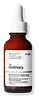
This barrier-repair serum is formulated around Niacinamide and Asiaticoside to strengthen the skin barrier and calm redness.
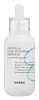
This calming ampoule is formulated around Centella Asiatica Extract and Madecassoside to calm redness and hydrate skin.


What's inside
What's inside
 Key Ingredients
Benefits
Concerns
No concerns
Ingredients Side-by-side
Water
Skin ConditioningPropanediol
Solvent

Isodecyl Neopentanoate
EmollientPentylene Glycol
Skin Conditioning
Niacinamide
Smoothing










Hexyldecanol
Emollient
Cetearyl Alcohol
Emollient





Xylitylglucoside
Humectant
Ceteth-20 Phosphate
CleansingAnhydroxylitol
Humectant
Ethyl Linoleate
Emollient

Asiaticoside
Antioxidant
Asiatic Acid
Skin Conditioning
Madecassic Acid
Skin Conditioning
Naringenin
Skin ConditioningCyanocobalamin
Skin ConditioningPanthenyl Triacetate
4-T-Butylcyclohexanol
Masking
Hydroxyphenyl Propamidobenzoic Acid
Skin ConditioningCetylhydroxyproline Palmitamide
Skin ConditioningBisabolol
Antioxidant
Brassica Campestris Sterols
EmollientSphingolipids
Emollient
Phospholipids
Skin Conditioning
Epigallocatechin Gallatyl Glucoside
Antioxidant
Gallyl Glucoside
Antioxidant
Propyl Gallate
Antioxidant
Xylitol
Humectant
Zingiber Officinale Root Extract
Masking
Stearic Acid
Cleansing
Dicetyl Phosphate
EmulsifyingIsoceteth-20
EmulsifyingXanthan Gum
EmulsifyingTrisodium Ethylenediamine Disuccinate
ChelatingTocopherol
Antioxidant
Dehydroacetic Acid
Preservative
P-Anisic Acid
MaskingPhytic Acid
Chelating
Sodium Phytate
ChelatingSodium Citrate
BufferingSodium Hydroxide
BufferingBenzyl Alcohol
Perfuming

Ethylhexylglycerin
Skin ConditioningPhenoxyethanol
Preservative
Chlorphenesin
Antimicrobial
Water, Propanediol, Isodecyl Neopentanoate, Pentylene Glycol, Niacinamide, Hexyldecanol, Cetearyl Alcohol, Xylitylglucoside, Ceteth-20 Phosphate, Anhydroxylitol, Ethyl Linoleate, Asiaticoside, Asiatic Acid, Madecassic Acid, Naringenin, Cyanocobalamin, Panthenyl Triacetate, 4-T-Butylcyclohexanol, Hydroxyphenyl Propamidobenzoic Acid, Cetylhydroxyproline Palmitamide, Bisabolol, Brassica Campestris Sterols, Sphingolipids, Phospholipids, Epigallocatechin Gallatyl Glucoside, Gallyl Glucoside, Propyl Gallate, Xylitol, Zingiber Officinale Root Extract, Stearic Acid, Dicetyl Phosphate, Isoceteth-20, Xanthan Gum, Trisodium Ethylenediamine Disuccinate, Tocopherol, Dehydroacetic Acid, P-Anisic Acid, Phytic Acid, Sodium Phytate, Sodium Citrate, Sodium Hydroxide, Benzyl Alcohol, Ethylhexylglycerin, Phenoxyethanol, Chlorphenesin
Water
Skin ConditioningCentella Asiatica Extract
Cleansing
Dipropylene Glycol
HumectantGlycerin
Humectant
1,2-Hexanediol
Skin Conditioning
Betaine
Humectant
Chondrus Crispus Extract
Skin Conditioning
Saccharum Officinarum Extract
MoisturisingPentylene Glycol
Skin Conditioning
Octanediol
Ammonium Acryloyldimethyltaurate/Vp Copolymer
Xanthan Gum
EmulsifyingEthylhexylglycerin
Skin ConditioningAllantoin
Skin Conditioning
Madecassoside
Antioxidant
Panthenol
Skin Conditioning
Reviews
Ingredients Explained
These ingredients are found in both products.
Ingredients higher up in an ingredient list are typically present in a larger amount.
Ethylhexylglycerin is created from glycerin. It is a multitasker ingredient that:
The CIR Expert Panel found minimal skin absorption or sensitization of any kind in a safety assessment. Though this ingredient is considered well-tolerated, a small number of cases of allergic dermatitis have been published since 2002. Just be sure to patch test if you are unsure.
Industry-reported use ranges from 8% in rinse-off products and 2% in leave-on formulations.
Learn more about EthylhexylglycerinPentylene Glycol (1,2-pentanediol) is a multitasking little diol with three main roles in a formula:
Research on alkanediols (the family pentylene glycol belongs to) show they work by disrupting microbial cell membranes. This disruption helps the primary preservative system in a product work more effectively at lower doses.
On the safety side, the Cosmetic Ingredient Review Expert Panel has concluded this ingredient to be safe as used in current cosmetic practices + concentrations.
Typical use levels in a formula run about 1-5%.
Learn more about Pentylene GlycolWater. It's the most common cosmetic ingredient of all. You'll usually see it at the top of ingredient lists, meaning that it makes up the largest part of the product.
So why is it so popular? Water most often acts as a solvent - this means that it helps dissolve other ingredients into the formulation.
You'll also recognize water as that liquid we all need to stay alive. If you see this, drink a glass of water. Remember to stay hydrated!
Learn more about WaterXanthan gum is used as a stabilizer and thickener within cosmetic products. It helps give products a sticky, thick feeling - preventing them from being too runny.
On the technical side of things, xanthan gum is a polysaccharide - a combination consisting of multiple sugar molecules bonded together.
Xanthan gum is a pretty common and great ingredient. It is a natural, non-toxic, non-irritating ingredient that is also commonly used in food products.
Learn more about Xanthan Gum

