

What's inside
What's inside
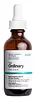 Key Ingredients
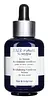
Benefits
Concerns
Ingredients Side-by-side
Water
Skin ConditioningPropanediol
Solvent

Butylene Glycol
Humectant
Glycerin
Humectant
Caffeine
Skin Conditioning

Biotinoyl Tripeptide-1

Acetyl Tetrapeptide-3
Skin Protecting
Larix Europaea Wood Extract
HumectantPisum Sativum Extract
Skin ConditioningScutellaria Baicalensis Root Extract
Astringent
Triticum Vulgare Germ Extract
Skin ConditioningGlycine Soja Germ Extract
EmollientTrifolium Pratense Flower Extract
AstringentCamellia Sinensis Leaf Extract
Antimicrobial



Apigenin
Antioxidant
Oleanolic Acid
Skin ConditioningArginine
Masking
Glycine
Buffering
Calcium Gluconate
HumectantZinc Chloride
AntimicrobialLactic Acid
Buffering





Gluconolactone
Chelating

Dextran
Maltodextrin
Absorbent
Hydroxyethylcellulose
Emulsion StabilisingXanthan Gum
EmulsifyingPentylene Glycol
Skin Conditioning
Dimethyl Isosorbide
SolventPolysorbate 20
Emulsifying
PPG-26-Buteth-26
Skin ConditioningPEG-40 Hydrogenated Castor Oil
Emulsifying
Trisodium Ethylenediamine Disuccinate
ChelatingSodium Metabisulfite
Antioxidant
Sodium Benzoate
Masking
Phenoxyethanol
Preservative
Chlorphenesin
Antimicrobial
Water, Propanediol, Butylene Glycol, Glycerin, Caffeine, Biotinoyl Tripeptide-1, Acetyl Tetrapeptide-3, Larix Europaea Wood Extract, Pisum Sativum Extract, Scutellaria Baicalensis Root Extract, Triticum Vulgare Germ Extract, Glycine Soja Germ Extract, Trifolium Pratense Flower Extract, Camellia Sinensis Leaf Extract, Apigenin, Oleanolic Acid, Arginine, Glycine, Calcium Gluconate, Zinc Chloride, Lactic Acid, Gluconolactone, Dextran, Maltodextrin, Hydroxyethylcellulose, Xanthan Gum, Pentylene Glycol, Dimethyl Isosorbide, Polysorbate 20, PPG-26-Buteth-26, PEG-40 Hydrogenated Castor Oil, Trisodium Ethylenediamine Disuccinate, Sodium Metabisulfite, Sodium Benzoate, Phenoxyethanol, Chlorphenesin
Water
Skin ConditioningAlcohol Denat.
Antimicrobial

Glycerin
Humectant
PEG-40 Hydrogenated Castor Oil
Emulsifying
Pentylene Glycol
Skin Conditioning
Panthenol
Skin Conditioning
Arginine
Masking
Bisabolol
Antioxidant
Pyridoxine Hcl
Skin ConditioningTocopheryl Acetate
Antioxidant
Magnesium Aspartate
Skin ConditioningZinc Gluconate
Skin Conditioning
Salvia Officinalis Leaf Extract
CleansingCopper Gluconate
Skin Conditioning
Hydrolyzed Rice Protein
Skin ConditioningHydrolyzed Vegetable Protein
Skin ConditioningHydrolyzed Linseed Extract
Skin ConditioningBiotinoyl Tripeptide-1
Thymus Mastichina Flower Oil
Skin Conditioning
Thymus Vulgaris Oil
Masking

Cetrimonium Chloride
Antimicrobial
PPG-26-Buteth-26
Skin ConditioningHydroxyethylcellulose
Emulsion StabilisingCitric Acid
Buffering
Butylene Glycol
Humectant
Disodium EDTA
ChelatingSodium Hydroxide
BufferingParfum
Masking
Phenoxyethanol
Preservative
Sodium Benzoate
Masking
Potassium Sorbate
Preservative
Linalool
Perfuming
Limonene
Perfuming
Citral
Perfuming
Water, Alcohol Denat., Glycerin, PEG-40 Hydrogenated Castor Oil, Pentylene Glycol, Panthenol, Arginine, Bisabolol, Pyridoxine Hcl, Tocopheryl Acetate, Magnesium Aspartate, Zinc Gluconate, Salvia Officinalis Leaf Extract, Copper Gluconate, Hydrolyzed Rice Protein, Hydrolyzed Vegetable Protein, Hydrolyzed Linseed Extract, Biotinoyl Tripeptide-1, Thymus Mastichina Flower Oil, Thymus Vulgaris Oil, Cetrimonium Chloride, PPG-26-Buteth-26, Hydroxyethylcellulose, Citric Acid, Butylene Glycol, Disodium EDTA, Sodium Hydroxide, Parfum, Phenoxyethanol, Sodium Benzoate, Potassium Sorbate, Linalool, Limonene, Citral
Reviews
Ingredients Explained
These ingredients are found in both products.
Ingredients higher up in an ingredient list are typically present in a larger amount.
Arginine is a semi-essential amino acid. This just means our bodies can product a bit on its own, but sometimes needs a little boost from food sources.
It is a part of your skin's natural moisturizing factor (NMF), or the water-loving molecules in your outermost layer of skin (stratum corneum) that keeps everything hydrated and happy.
Here's an interesting thing about Arginine: your skin converts it into urea through the Krebs-Henseleit urea cycle. Urea is one of the most effective humectants your skin naturally produces.
A clinical study showed applying 2.5% arginine hydrochloride to atopic dermatitis skin showed significant urea levels in the stratum corneum and improved moisture in just four weeks.
Arginine is also a precursor to nitric oxide; nitric oxide improves microcirculation and supports wound healing and collagen synthesis.
One study found that an amino acid complex containing Arginine reduced skin irritation, improved hydration, and accelerated skin repair in clinical / in-vivo studies.
Arginine itself is an amino acid and not a fatty acid, oil, or ester. On its own, it's not a direct food source for Malassezia, or the yeast that causes fungal acne.
Learn more about ArginineBiotinoyl Tripeptide-1 is a lab-made molecule that combines two parts: biotin (vitamin B7) and Tripeptide-1. Together, they form a peptide that’s often used in hair and eyelash products.
In-vitro studies show this ingredient helps hair bulb cells grow faster and product more structual proteins. This helps keep hair securely anchored in the follicle.
A small human study using a mascara with 2% Biotinoyl Tripeptide-1 reported lashes that were about 17% longer and 19% thicker after one month.
One study from 2025 compared topical spray vs. a combined tropical/oral treatment. The combination group saw greater increases in total hair count.
While these early results are encouraging, most of the data comes from in-vitro experiments (in test tubes) or small, short-term trials.
Biotinoyl Tripeptide-1 looks promising for supporting hair strength and growth but there’s not yet strong clinical evidence to confirm how well it works.
Learn more about Biotinoyl Tripeptide-1Butylene Glycol (or BG) is used within cosmetic products for a few different reasons:
Overall, Butylene Glycol is a safe and well-rounded ingredient that works well with other ingredients.
Though this ingredient works well with most skin types, some people with sensitive skin may experience a reaction such as allergic rashes, closed comedones, or itchiness.
Learn more about Butylene GlycolGlycerin (or glycerol) is a compound naturally found in your skin. It's a powerhouse humectant that pulls water into the stratum corneum.
Topically, glycerin does several things at once:
Your skin makes glycerin on its own (mostly from sebaceous oil breakdown) and shuttles it to your outermost layer of skin, or your epidermis, via aquaporin-3.
Aquaporin-3 is a transporter that is essential for normal skin hydration, elasticity, and repair. Interestingly, mice lacking in AQP3 have dry and less elastic skin that can be fully corrected with glycerin.
This ingredient is non-irritating, plays well with almost every ingredient, and works across all skin types. Typical use is anywhere between 3-10% but can go up to 79% in some leave-on products.
Just know very high concentrations (>40%) can feel tacky in low humidity.
Glycerin is the name for this ingredient in American English. British English uses Glycerol/Glycerine.
Learn more about GlycerinHydroxyethylcellulose is used to improve the texture of products. It is created from a chemical reaction involving ethylene oxide and alkali-cellulose. Cellulose is a sugar found in plant cell walls and help give plants structure.
This ingredient helps stabilize products by preventing ingredients from separating. It can also help thicken the texture of a product.
This ingredient can also be found in pill medicines to help our bodies digest other ingredients.
Learn more about HydroxyethylcellulosePEG-40 Hydrogenated Castor Oil is an emulsifier derived from castor oil.
As an emulsifying agent, it helps other ingredients like fragrances and fat-soluble vitamins dissolve cohesively.
Due to its large molecule size, it doesn't penetrate beyond the skin's surface.
This ingredient has a solid regulatory track record; the CIR Expert Panel first concluded it was safe for use in cosmetics at concentrations up to 100% in 1997. A 2012 reassessment reaffirmed that finding. Safety studies have also found no irritation or evidence of toxicity.
A 2019 study did find this ingredient to grow Malassezia, so this ingredient may not be fungal acne safe.
Learn more about PEG-40 Hydrogenated Castor OilPentylene Glycol (1,2-pentanediol) is a multitasking little diol with three main roles in a formula:
Research on alkanediols (the family pentylene glycol belongs to) show they work by disrupting microbial cell membranes. This disruption helps the primary preservative system in a product work more effectively at lower doses.
On the safety side, the Cosmetic Ingredient Review Expert Panel has concluded this ingredient to be safe as used in current cosmetic practices + concentrations.
Typical use levels in a formula run about 1-5%.
Learn more about Pentylene GlycolPhenoxyethanol is one of the most widely used preservatives in skincare (and for good reason!).
It has a large spectrum of antimicrobial activity and especially effective bacteria, yeast, and mold while only having a weak effect on your skin's natural microbiome.
On a cellular level, it disrupts the cell membranes of microbes by poking holes that make the cell leak. This shuts down the chemical reactions the microbe needs to make energy so it can no longer survive.
Another perk of this ingredient is that it stays functional across a wide pH range (3-10).
You'll often see it paired with boosters like Ethylhexylglycerin; one study showed that a 1:9 ratio of Ethylhexylglycerin to Phenoxyethanol damages bacterial membranes as effectively as doubling the Phenoxyethanol concentration on its own.
Typical use concentrations range from 0.3-1% depending on the formula, and this ingredient is capped at 1% int the EU.
Safety-wise, the fear mongering does not hold up to the evidence. The EU's Scientific Committee on Consumer Safety and FDA consider it safe as a preservative at up to 1%, including for children of all ages.
Adverse systemic effects only showed up in animal studies at exposures roughly 200x higher than what people get from cosmetics. And despite its very widespread use, this ingredient is a rare sensitizer and allergic reactions are uncommon.
Learn more about PhenoxyethanolWe don't have a description for PPG-26-Buteth-26 yet.
Sodium Benzoate is a preservative. It's used in both cosmetic and food products to inhibit the growth of mold and bacteria. It is typically produced synthetically.
Both the US FDA and EU Health Committee have approved the use of sodium benzoate. In the US, levels of 0.1% (of the total product) are allowed.
Sodium benzoate works as a preservative by inhibiting the growth of bacteria inside of cells. It prevents the cell from fermenting a type of sugar using an enzyme called phosphofructokinase.
It is the salt of benzoic acid. Foods containing sodium benzoate include soda, salad dressings, condiments, fruit juices, wines, and snack foods.
Studies for using ascorbic acid and sodium benzoate in cosmetics are lacking, especially in skincare routines with multiple steps.
We always recommend speaking with a professional, such as a dermatologist, if you have any concerns.
Learn more about Sodium BenzoateWater. It's the most common cosmetic ingredient of all. You'll usually see it at the top of ingredient lists, meaning that it makes up the largest part of the product.
So why is it so popular? Water most often acts as a solvent - this means that it helps dissolve other ingredients into the formulation.
You'll also recognize water as that liquid we all need to stay alive. If you see this, drink a glass of water. Remember to stay hydrated!
Learn more about Water

