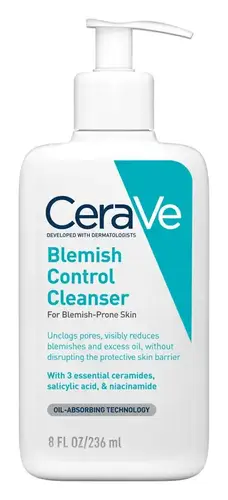
What's inside
What's inside
 Key Ingredients
Benefits
Concerns
Ingredients Side-by-side
Water
Skin ConditioningPropanediol
Solvent

Salicylic Acid
Masking









Betaine
Humectant
Panthenol
Skin Conditioning

PEG-40 Hydrogenated Castor Oil
Emulsifying

Phenoxyethanol
Preservative
Polyquaternium-37
Hexylene Glycol
EmulsifyingCapryloyl Glycine
CleansingCitronellyl Methylcrotonate
Masking
Sodium Hydroxide
BufferingEthylhexylglycerin
Skin ConditioningXylitylglucoside
Humectant
Trisodium Ethylenediamine Disuccinate
Water
Skin ConditioningAlcohol Denat.
Antimicrobial

Isopentyldiol
Humectant
Vinegar
Butylene Glycol
Humectant
Betaine
Humectant
PEG-60 Hydrogenated Castor Oil
Emulsifying
Erythritol
Humectant
Stearamidopropyl Dimethylamine
EmulsifyingLactic Acid
Buffering


Octyldodeceth-16
EmulsifyingSodium Benzoate
Masking
Sodium Gluconate
Skin ConditioningMentha Piperita Oil
Masking

Cetrimonium Chloride
Antimicrobial
Sodium Lactate
Buffering
Menthol
Masking
Salicylic Acid
Masking
Mentha Piperita Extract
CleansingMentha Viridis Extract
MaskingDisodium EDTA
Eucalyptus Globulus Leaf Oil
Perfuming
Mentha Rotundifolia Leaf Extract
TonicMelaleuca Alternifolia Leaf Oil
Antioxidant
Limonene
Perfuming
1,2-Hexanediol
Skin Conditioning
Fructan
Skin ConditioningCarthamus Tinctorius Flower Extract
Skin ConditioningUrtica Dioica Extract
AstringentViola Mandshurica Flower Extract
Antioxidant
Equisetum Arvense Extract
AstringentOenothera Biennis Flower Extract
AstringentPaeonia Albiflora Root Extract
Skin ConditioningPinus Palustris Leaf Extract
TonicPrunus Persica Fruit Extract
Abrasive
Pueraria Lobata Root Extract
HumectantSwertia Japonica Extract
Skin ConditioningUlmus Davidiana Root Extract
Skin Conditioning
Ethylhexylglycerin
Skin ConditioningWater, Alcohol Denat., Isopentyldiol, Vinegar, Butylene Glycol, Betaine, PEG-60 Hydrogenated Castor Oil, Erythritol, Stearamidopropyl Dimethylamine, Lactic Acid, Octyldodeceth-16, Sodium Benzoate, Sodium Gluconate, Mentha Piperita Oil, Cetrimonium Chloride, Sodium Lactate, Menthol, Salicylic Acid, Mentha Piperita Extract, Mentha Viridis Extract, Disodium EDTA, Eucalyptus Globulus Leaf Oil, Mentha Rotundifolia Leaf Extract, Melaleuca Alternifolia Leaf Oil, Limonene, 1,2-Hexanediol, Fructan, Carthamus Tinctorius Flower Extract, Urtica Dioica Extract, Viola Mandshurica Flower Extract, Equisetum Arvense Extract, Oenothera Biennis Flower Extract, Paeonia Albiflora Root Extract, Pinus Palustris Leaf Extract, Prunus Persica Fruit Extract, Pueraria Lobata Root Extract, Swertia Japonica Extract, Ulmus Davidiana Root Extract, Ethylhexylglycerin
Reviews
Ingredients Explained
These ingredients are found in both products.
Ingredients higher up in an ingredient list are typically present in a larger amount.
Betaine is a humectant. Like hyaluronic acid, it helps attract and retain moisture in the skin. It’s known for being gentle and for helping the skin maintain balanced hydration.
Betaine is mainly used to improve hydration and support calmer skin. It helps skin cells regulate water balance because it functions as an osmolyte.
Some studies suggest betaine may support making skin tone more even.
Fun fact: Betaine naturally exists in the skin and the body. In cosmetic products, it can be either plant-derived (most commonly from sugar beets) or synthetically produced for consistency and stability.
Betaine is also known as trimethylglycine.
Learn more about BetaineEthylhexylglycerin is created from glycerin. It is a multitasker ingredient that:
The CIR Expert Panel found minimal skin absorption or sensitization of any kind in a safety assessment. Though this ingredient is considered well-tolerated, a small number of cases of allergic dermatitis have been published since 2002. Just be sure to patch test if you are unsure.
Industry-reported use ranges from 8% in rinse-off products and 2% in leave-on formulations.
Learn more about EthylhexylglycerinSalicylic Acid (also known as beta hydroxy acid or BHA) is a well-known ingredient for treating skin that struggles with acne and clogged pores. It exfoliates both the skin's surface and deep within the pores to help clear out buildup, control oil, and reduce inflammation.
Unlike AHAs (alpha hydroxy acids), salicylic acid is oil-soluble. This allows it to penetrate into pores which makes it especially effective for treating blackheads and preventing future breakouts.
Salicylic acid is also known for its soothing properties. It has a similar structure to aspirin and can calm inflamed or irritated skin, making it a good option for acne-prone skin that is also sensitive.
Concentrations of 0.5-2% are recognized by the U.S. FDA as an over-the-counter topical acne product.
It can cause irritation and/or dryness if one's skin already has a compromised moisture barrier, so it's best to focus on repairing that before introducing this ingredient into your routine.
While salicylic acid does not increase sun sensitivity, it’s still important to wear sunscreen daily to protect your skin.
If you are looking for the ingredient called BHA or Butylated Hydroxyanisole, click here.
Learn more about Salicylic AcidWater. It's the most common cosmetic ingredient of all. You'll usually see it at the top of ingredient lists, meaning that it makes up the largest part of the product.
So why is it so popular? Water most often acts as a solvent - this means that it helps dissolve other ingredients into the formulation.
You'll also recognize water as that liquid we all need to stay alive. If you see this, drink a glass of water. Remember to stay hydrated!
Learn more about Water