
What's inside
What's inside
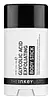 Key Ingredients
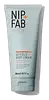
Benefits
Concerns
Ingredients Side-by-side
Octyldodecanol
Emollient
Coco-Caprylate/Caprate
Emollient
Butyrospermum Parkii Butter
Skin Conditioning






Helianthus Annuus Seed Wax
Skin Conditioning
Glycolic Acid
Buffering










Ozokerite
Emulsion StabilisingCetearyl Alcohol
Emollient
Water
Skin ConditioningPEG-100 Stearate
Surfactant
Glyceryl Stearate
Emollient
Simmondsia Chinensis Seed Oil
Emollient
Salicylic Acid
Masking


Cocamidopropyl Dimethylamine
Emulsifying
Ascorbyl Palmitate
Antioxidant

Tocopherol
Antioxidant

Helianthus Annuus Seed Oil
Emollient
Octyldodecanol, Coco-Caprylate/Caprate, Butyrospermum Parkii Butter, Helianthus Annuus Seed Wax, Glycolic Acid, Ozokerite, Cetearyl Alcohol, Water, PEG-100 Stearate, Glyceryl Stearate, Simmondsia Chinensis Seed Oil, Salicylic Acid, Cocamidopropyl Dimethylamine, Ascorbyl Palmitate, Tocopherol, Helianthus Annuus Seed Oil
Water
Skin ConditioningCaprylic/Capric Triglyceride
Masking
Cetearyl Alcohol
Emollient
Glyceryl Stearate Se
Emulsifying
Glycerin
Humectant
Glycolic Acid
Buffering
Stearic Acid
Cleansing
Prunus Amygdalus Dulcis Oil
Skin Conditioning
Xanthan Gum
EmulsifyingPhenoxyethanol
Preservative
Benzyl Alcohol
Perfuming



Sodium Hydroxide
BufferingLimonene
Perfuming
Parfum
Masking
Disodium EDTA
ChelatingSodium Stearoyl Glutamate
CleansingCitrus Grandis Peel Oil
Masking
Ethylhexylglycerin
Skin ConditioningBenzyl Benzoate
Antimicrobial
Dehydroacetic Acid
Preservative
Geraniol
Perfuming
Butylphenyl Methylpropional
Perfuming
Citral
Perfuming
Linalool
Perfuming
Citronellol
Perfuming
Opuntia Ficus-Indica Flower Extract
Skin ConditioningCitric Acid
Buffering
Sodium Benzoate
Masking
Potassium Sorbate
Preservative
Water, Caprylic/Capric Triglyceride, Cetearyl Alcohol, Glyceryl Stearate Se, Glycerin, Glycolic Acid, Stearic Acid, Prunus Amygdalus Dulcis Oil, Xanthan Gum, Phenoxyethanol, Benzyl Alcohol, Sodium Hydroxide, Limonene, Parfum, Disodium EDTA, Sodium Stearoyl Glutamate, Citrus Grandis Peel Oil, Ethylhexylglycerin, Benzyl Benzoate, Dehydroacetic Acid, Geraniol, Butylphenyl Methylpropional, Citral, Linalool, Citronellol, Opuntia Ficus-Indica Flower Extract, Citric Acid, Sodium Benzoate, Potassium Sorbate
Reviews
Ingredients Explained
These ingredients are found in both products.
Ingredients higher up in an ingredient list are typically present in a larger amount.
Cetearyl alcohol is a waxy mixture of two fatty alcohols: cetyl alcohol and stearyl alcohol. It is an emollient and emulsifier.
Despite having "alcohol" in its name, it has nothing to do with drying solvent alcohols; the FDA also allows "alcohol-free" products to contain fatty alcohols like this ingredient.
It plays several roles in a formula:
Typical use levels for this ingredient sit around 1-10% and the Cosmetic Ingredient Review Expert Panel has affirmed safety at concentrations up to 25% in leave-on products.
Multiple assessments have found it to be non-irritating and non-sensitizing to most people.
However, there have been some cases of allergic contact dermatitis in patients with chronically compromised skin barriers.
Cetearyl alcohol has a comedogenic rating of 2 and irritancy rating of 1. Both of these numbers come from the 1989 study that used rabbit ears; a "2" means mildly comedogenic and a "1" means low irritancy.
Here's the catch: rabbit skin is more sensitive than human skin and throws a lot of false positives. A 1996 reappraisal found that ingredients rated 1-2 in the rabbit ear tests are generally safe for humans.
Remember comedogenic ratings are unable to assess the entire formula of a product or how it will react on your skin. Just be sure to patch test if you are unsure about certain ingredients.
This ingredient is not fungal acne safe. Cetearyl alcohol is a fatty alcohol with chain lengths that fall within the range that Malassezia can metabolize.
A 2019 study has also observed Malassezia growth in the presence of this ingredient, confirming it to be not-fungal acne safe.
Learn more about Cetearyl AlcoholGlycolic Acid is arguably the most famous alpha hydroxy acid (AHA) with tons of research backing its benefits.
It is found naturally in sugar cane but the form used in skincare is usually synthetic for purity and stability.
Glycolic acid removes the top layer of dead skin cells to allow newer and fresher ones to emerge.
AHAs work by breaking down the structural “glue” that holds old skin cells in place. When that buildup is gone, your skin can renew itself more efficiently.
Research also shows glycolic acid stimulates collagen production, helping to firm and thicken the skin over time. This is one of its biggest advantages over other AHAs.
Overall, glycolic acid helps with:
Fun fact: Glycolic acid boosts skin hydration by helping it produce molecules that increase hyaluronic acid naturally.
To work best, glycolic acid products should have a pH between 3-4 (that’s where exfoliation is most effective but still gentle on skin).
The pH and concentration of a product are key to its effectiveness:
It is normal to feel a slight stinging sensation when using glycolic acid. This usually fades as your skin adjusts.
Because glycolic acid has the smallest molecular size in the AHA family, it can penetrate deeper, which enhances its effectiveness but also makes it more likely to irritate sensitive skin.
If your skin is very sensitive or prone to rosacea, glycolic acid may be too strong; in that case, try milder options like lactic acid or a PHA instead.
Recent studies suggest glycolic acid might even help protect against UV damage. But don’t skip sunscreen! Freshly exfoliated skin is more sensitive to the sun.
Glycolic acid is a skincare superstar. It smooths, brightens, hydrates, and firms the skin. Unless you’re highly sensitive, it’s well worth adding to your routine.
Read more about some other popular AHA's here:
Learn more about Glycolic AcidWater. It's the most common cosmetic ingredient of all. You'll usually see it at the top of ingredient lists, meaning that it makes up the largest part of the product.
So why is it so popular? Water most often acts as a solvent - this means that it helps dissolve other ingredients into the formulation.
You'll also recognize water as that liquid we all need to stay alive. If you see this, drink a glass of water. Remember to stay hydrated!
Learn more about Water

