

What's inside
What's inside
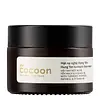 Key Ingredients
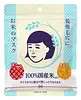
Benefits
Concerns
Ingredients Side-by-side
Water
Skin ConditioningKaolin
Abrasive



Silica
Abrasive
Curcuma Longa Root Powder
Skin ConditioningCaprylic/Capric Triglyceride
Masking


Hydroxyethyl Acrylate/Sodium Acryloyldimethyl Taurate Copolymer
Emulsion StabilisingTetrahydrodiferuloylmethane
Antioxidant
Curcuma Longa Root Extract
Masking
Niacinamide
Smoothing







Lactic Acid
Buffering


Avena Sativa Meal Extract
SoothingOryza Sativa Bran Oil
Emollient
Glycerin
Humectant
Glycereth-26
Humectant
Phaseolus Radiatus Seed Extract
Skin ConditioningAllantoin
Skin Conditioning
Propanediol
Solvent
Butylene Glycol
Humectant
Juglans Regia Shell Powder
Abrasive
Xanthan Gum
EmulsifyingPentylene Glycol
Skin Conditioning
1,2-Hexanediol
Skin Conditioning
Ethylhexylglycerin
Skin ConditioningTrisodium Ethylenediamine Disuccinate
BHT
Antioxidant
Menthyl Lactate
Masking
Phenoxyethanol
Preservative
Eucalyptus Globulus Leaf Oil
Perfuming


Sodium Benzoate
Masking
Lavandula Angustifolia Flower Oil
Masking
Chlorphenesin
Antimicrobial
Potassium Sorbate
Preservative
Water, Kaolin, Silica, Curcuma Longa Root Powder, Caprylic/Capric Triglyceride, Hydroxyethyl Acrylate/Sodium Acryloyldimethyl Taurate Copolymer, Tetrahydrodiferuloylmethane, Curcuma Longa Root Extract, Niacinamide, Lactic Acid, Avena Sativa Meal Extract, Oryza Sativa Bran Oil, Glycerin, Glycereth-26, Phaseolus Radiatus Seed Extract, Allantoin, Propanediol, Butylene Glycol, Juglans Regia Shell Powder, Xanthan Gum, Pentylene Glycol, 1,2-Hexanediol, Ethylhexylglycerin, Trisodium Ethylenediamine Disuccinate, BHT, Menthyl Lactate, Phenoxyethanol, Eucalyptus Globulus Leaf Oil, Sodium Benzoate, Lavandula Angustifolia Flower Oil, Chlorphenesin, Potassium Sorbate
Water
Skin ConditioningGlycerin
Humectant
Propylene Glycol
Humectant
Alcohol Denat.
Antimicrobial

Styrene/Vp Copolymer
Lactobacillus/Rice Ferment Filtrate
Skin ConditioningOryza Sativa Bran Oil
Emollient
Hydrolyzed Rice Bran Extract
Skin ConditioningGlycosphingolipids
EmollientGlucosyl Ceramide
Skin Conditioning
Alpha-Glucan
HumectantButylene Glycol
Humectant
Xanthan Gum
EmulsifyingPolysorbate 80
Emulsifying
Citric Acid
Buffering
Sodium Citrate
BufferingPhenoxyethanol
Preservative
Methylparaben
Preservative

Water, Glycerin, Propylene Glycol, Alcohol Denat., Styrene/Vp Copolymer, Lactobacillus/Rice Ferment Filtrate, Oryza Sativa Bran Oil, Hydrolyzed Rice Bran Extract, Glycosphingolipids, Glucosyl Ceramide, Alpha-Glucan, Butylene Glycol, Xanthan Gum, Polysorbate 80, Citric Acid, Sodium Citrate, Phenoxyethanol, Methylparaben
Reviews
Ingredients Explained
These ingredients are found in both products.
Ingredients higher up in an ingredient list are typically present in a larger amount.
Butylene Glycol (or BG) is used within cosmetic products for a few different reasons:
Overall, Butylene Glycol is a safe and well-rounded ingredient that works well with other ingredients.
Though this ingredient works well with most skin types, some people with sensitive skin may experience a reaction such as allergic rashes, closed comedones, or itchiness.
Learn more about Butylene GlycolGlycerin (or glycerol) is a compound naturally found in your skin. It's a powerhouse humectant that pulls water into the stratum corneum.
Topically, glycerin does several things at once:
Your skin makes glycerin on its own (mostly from sebaceous oil breakdown) and shuttles it to your outermost layer of skin, or your epidermis, via aquaporin-3.
Aquaporin-3 is a transporter that is essential for normal skin hydration, elasticity, and repair. Interestingly, mice lacking in AQP3 have dry and less elastic skin that can be fully corrected with glycerin.
This ingredient is non-irritating, plays well with almost every ingredient, and works across all skin types. Typical use is anywhere between 3-10% but can go up to 79% in some leave-on products.
Just know very high concentrations (>40%) can feel tacky in low humidity.
Glycerin is the name for this ingredient in American English. British English uses Glycerol/Glycerine.
Learn more about GlycerinThis oil comes from the outer layer (bran) of rice grains. It is packed with skin-friendly fatty acids to soften and condition the skin while supporting your moisture barrier.
What makes it stand out from other plant oils is its naturally high concentration of gamma-oryzanol, a potent antioxidant. This antioxidant has shown some UV-absorptive properties in research.
Other antioxidants found in this oil include tocopherols, tocotrienols, and ferulic acid.
According to manufacturers, this oil has a lightweight texture that absorbs nicely.
The CIR (Cosmetic Ingredient Review) has concluded this ingredient to be safe as used in cosmetics and it has not shown to be a skin sensitizer in testing (unless you have a known rice allergy).
Due to the fatty acids (primarily Oleic Acid ~40%, Linoleic Acid ~30%, and some Palmitic Acid), this ingredient may not be fungal acne safe.
In vitro studies have shown that Oleic Acid is one of the fatty acids that induce rapid Malassezia growth in lab settings.
Learn more about Oryza Sativa Bran OilPhenoxyethanol is a preservative that has germicide, antimicrobial, and aromatic properties. Studies show that phenoxyethanol can prevent microbial growth. By itself, it has a scent that is similar to that of a rose.
It's often used in formulations along with Caprylyl Glycol to preserve the shelf life of products.
Water. It's the most common cosmetic ingredient of all. You'll usually see it at the top of ingredient lists, meaning that it makes up the largest part of the product.
So why is it so popular? Water most often acts as a solvent - this means that it helps dissolve other ingredients into the formulation.
You'll also recognize water as that liquid we all need to stay alive. If you see this, drink a glass of water. Remember to stay hydrated!
Learn more about WaterXanthan gum is used as a stabilizer and thickener within cosmetic products. It helps give products a sticky, thick feeling - preventing them from being too runny.
On the technical side of things, xanthan gum is a polysaccharide - a combination consisting of multiple sugar molecules bonded together.
Xanthan gum is a pretty common and great ingredient. It is a natural, non-toxic, non-irritating ingredient that is also commonly used in food products.
Learn more about Xanthan Gum
