Thank You Farmer Sun Project Silky Calming Sun Stick SPF 50+ PA++++ Versus Dr. Bio Waterful Sun Stick SPF50+ PA++++
This chemical sunscreen covers the full UV range and blocks ~98% of UVB at SPF 50.
This hybrid sunscreen covers the full UV range and blocks ~98% of UVB at SPF 50.

What's inside
What's inside
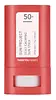 Key Ingredients
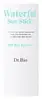
Benefits
Concerns
Ingredients Side-by-side
Methyl Methacrylate Crosspolymer

Polyethylene
Abrasive

Caprylyl Methicone
Skin Conditioning
Coco-Caprylate/Caprate
Emollient
Ethylhexyl Palmitate
Emollient



Isopropyl Palmitate
Emollient
Dicaprylyl Carbonate
EmollientSynthetic Fluorphlogopite
Dibutyl Adipate
EmollientDiethylamino Hydroxybenzoyl Hexyl Benzoate
UV Filter
Ozokerite
Emulsion StabilisingVinyl Dimethicone/Methicone Silsesquioxane Crosspolymer
Ethylhexyl Triazone
UV Absorber
Vinyldimethicone
Polysilicone-15
UV Filter
Bis-Ethylhexyloxyphenol Methoxyphenyl Triazine
UV Absorber
Centella Asiatica Extract
Cleansing





Glyceryl Caprylate
EmollientPolyglyceryl-4 Diisostearate/Polyhydroxystearate/Sebacate
Emulsifying
Triethoxycaprylylsilane
Tocopherol
Antioxidant




Calamine
AbsorbentMadecassic Acid
Skin Conditioning
Asiaticoside
Antioxidant
Asiatic Acid
Skin Conditioning
Parfum
Masking


Methyl Methacrylate Crosspolymer, Polyethylene, Caprylyl Methicone, Coco-Caprylate/Caprate, Ethylhexyl Palmitate, Isopropyl Palmitate, Dicaprylyl Carbonate, Synthetic Fluorphlogopite, Dibutyl Adipate, Diethylamino Hydroxybenzoyl Hexyl Benzoate, Ozokerite, Vinyl Dimethicone/Methicone Silsesquioxane Crosspolymer, Ethylhexyl Triazone, Vinyldimethicone, Polysilicone-15, Bis-Ethylhexyloxyphenol Methoxyphenyl Triazine, Centella Asiatica Extract, Glyceryl Caprylate, Polyglyceryl-4 Diisostearate/Polyhydroxystearate/Sebacate, Triethoxycaprylylsilane, Tocopherol, Calamine, Madecassic Acid, Asiaticoside, Asiatic Acid, Parfum
Synthetic Wax
Abrasive
C12-15 Alkyl Benzoate
AntimicrobialVinyl Dimethicone/Methicone Silsesquioxane Crosspolymer
Ethylhexyl Palmitate
Emollient
Propylheptyl Caprylate
EmollientTitanium Dioxide
Cosmetic Colorant
Isopropyl Palmitate
Emollient
Methyl Methacrylate Crosspolymer
Butyloctyl Salicylate
Skin Conditioning
Synthetic Fluorphlogopite
Polymethylsilsesquioxane
Diethylhexyl 2,6-Naphthalate
EmollientOzokerite
Emulsion StabilisingVinyldimethicone
Aluminum Stearate
Cosmetic ColorantHydroxystearic Acid
Cleansing
Mentha Aquatica Leaf Extract
Skin ConditioningMelaleuca Alternifolia Flower/Leaf/Stem Extract
Skin ConditioningChamaecyparis Obtusa Leaf Extract
Skin ConditioningBambusa Vulgaris Shoot Extract
Antioxidant
Bambusa Vulgaris Leaf/Stem Extract
HumectantBrassica Oleracea Italica Extract
AstringentBambusa Vulgaris Water
Skin ConditioningCaprylic/Capric Triglyceride
Masking
Caprylyl Glycol
Emollient
Alumina
Abrasive
Polyglyceryl-4 Diisostearate/Polyhydroxystearate/Sebacate
Emulsifying
Triethoxycaprylylsilane
Stearic Acid
Cleansing
Water
Skin ConditioningButylene Glycol
Humectant
1,2-Hexanediol
Skin Conditioning
Synthetic Wax, C12-15 Alkyl Benzoate, Vinyl Dimethicone/Methicone Silsesquioxane Crosspolymer, Ethylhexyl Palmitate, Propylheptyl Caprylate, Titanium Dioxide, Isopropyl Palmitate, Methyl Methacrylate Crosspolymer, Butyloctyl Salicylate, Synthetic Fluorphlogopite, Polymethylsilsesquioxane, Diethylhexyl 2,6-Naphthalate, Ozokerite, Vinyldimethicone, Aluminum Stearate, Hydroxystearic Acid, Mentha Aquatica Leaf Extract, Melaleuca Alternifolia Flower/Leaf/Stem Extract, Chamaecyparis Obtusa Leaf Extract, Bambusa Vulgaris Shoot Extract, Bambusa Vulgaris Leaf/Stem Extract, Brassica Oleracea Italica Extract, Bambusa Vulgaris Water, Caprylic/Capric Triglyceride, Caprylyl Glycol, Alumina, Polyglyceryl-4 Diisostearate/Polyhydroxystearate/Sebacate, Triethoxycaprylylsilane, Stearic Acid, Water, Butylene Glycol, 1,2-Hexanediol
Reviews
Ingredients Explained
These ingredients are found in both products.
Ingredients higher up in an ingredient list are typically present in a larger amount.
Ethylhexyl Palmitate, also known as octyl palmitate, is created from 2-ethylhexyl alcohol and palmitic acid.
In cosmetics, it plays many roles:
One thing worth noting: a controlled study found this ingredient applied under occlusion to acne-prone subjects increased microcomedones. Just keep in mind this was under occlusive conditions and don't reflect how most products are used day-to-day.
For most people, this is a well-tolerated and lightweight ingredient.
This ingredient may not be fungal acne safe because it is an ester of palmitic acid, a C16 fatty acid that falls within the C11-24 range that Malassezia can metabolize.
You'll see this one rated 4 comedogenic all over the internet. That number isn't from a single study, and the actual research is more interesting.
The original rating comes from 1980s rabbit ear tests (which are a shaky basis for anything). But Ethylhexyl Palmitate is one of the few ingredients with real human data behind it. A 2021 controlled trial found this ingredient increased microcomedones by an average of 365% over four weeks.
Just know that test used the pure ingredient under an occlusive pad on back skin; most products use it at much lower levels alongside other ingredients and plenty of people use those with no issue.
Learn more about Ethylhexyl PalmitateIsopropyl Palmitate is a lightweight emollient made by combining isopropyl alcohol and palmitic acid.
It is an emollient that leaves skin feeling smooth and silky without leaving a greasy feel.
Typical usage concentrations range from 1-5%.
Human testing shows it's non-irritating and non-sensitizing, and the EU Scientific Committee on Consumer Safety (SCCS) has cleared it at very high levels (79% in leave-on products).
The one thing worth knowing about its comedogenic score of 3-4 is to keep it in perspective: these ratings come from old rabbit-ear tests using 100% of pure ingredient and doesn't reflect how it behaves at low levels in a finished product.
Because it is an ester of palmitic acid (C16), it falls into the range that the Malassezia yeast can feed on and is considered not fungal acne safe.
Learn more about Isopropyl PalmitateThis ingredient comes as a powder made up of small, porous, microbeads. It is used to add a silky feel to products and also helps absorb oil.
Ozokerite is a naturally occuring mineral wax. In cosmetics, ozokerite is used as a texture enhancer.
Ceresin wax is derived from this ingredient.
The melting point of ozokerite is 58-100 C.
Ozokerite is found all over the world including Scotland, the US, and India.
Learn more about OzokeriteThis ingredient is a water-in-oil emulsifier and is sometimes known by its trade name, Isolan GPS. It helps create stable emulsions by bridging oil and water phases without adding a greasy feel.
Common usage levels sit between 2-5% for this ingredient.
Synthetic Fluorphlogopite is the synthethic version of mica. It consists of fluorine, aluminum and silicate.
Synthetic Fluorphlogopite is used to add volume to products.
It is considered non-irritating on the skin.
Learn more about Synthetic FluorphlogopiteTriethoxycaprylylsilane is a silicon-based surface modifier that makes sunscreens feel silky and makeup stay put.
Its main job is to coat mineral particles like titanium dioxide, zinc oxide, and color pigments in a thin, oily layer so they spread smoothly, don't clump, and stick to skin better.
This ingredient is typically used at low levels (up to 2.5% in eyeshadow and 1% in lipstick).
Learn more about TriethoxycaprylylsilaneThis ingredient is used in makeup and skincare to thicken formulas, reduce shine, and give skin a silky-smooth feel.
It’s a white silicone powder that sits in fine lines and pores to blur their appearance though its effectiveness depends on the particle size.
You'll typically find this ingredient in amounts between 0.1-20%.
Learn more about Vinyl Dimethicone/Methicone Silsesquioxane CrosspolymerVinyldimethicone is a type of silicone.


