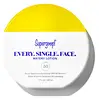
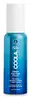
Supergoop! Every. Single. Face. Watery Lotion SPF 50 Versus COOLA Classic Face Organic Sunscreen Mist SPF 50
This chemical sunscreen covers most of the UV range, lighter on the deep UVA that drives aging.
This chemical sunscreen covers most of the UV range, lighter on the deep UVA that drives aging.

What's inside
What's inside
 Key Ingredients
Benefits
Concerns
Ingredients Side-by-side
Butyl Methoxydibenzoylmethane 3%
UV Absorber
Homosalate 9%
Skin Conditioning
Ethylhexyl Salicylate 5%
UV Absorber
Octocrylene 9%
UV Absorber

Water
Skin ConditioningAlcohol
Antimicrobial


C12-15 Alkyl Benzoate
AntimicrobialPropanediol
Solvent

Dimethicone
Emollient

Glycerin
Humectant
Acrylates/Polytrimethylsiloxymethacrylate Copolymer
Skin ConditioningMaltodextrin
Absorbent
Triethyl Citrate
Masking

Hydroxyacetophenone
Antioxidant
Acrylates/C10-30 Alkyl Acrylate Crosspolymer
Emulsion Stabilising1,2-Hexanediol
Skin Conditioning
Caprylyl Glycol
Emollient
Pullulan
Sodium Polyacrylate
Absorbent
Betaine
Humectant
Lavandula Angustifolia Flower/Leaf/Stem Extract
Masking
Hedychium Coronarium Root Extract
MaskingCaesalpinia Spinosa Gum
Skin ConditioningLinalool
Perfuming
Camellia Sinensis Leaf Extract
Antimicrobial




Tremella Fuciformis Sporocarp Extract
Antioxidant
Amyl Cinnamal
Perfuming
Glyceryl Caprylate
EmollientGlyceryl Undecylenate
Emollient
Sodium Carboxymethyl Beta-Glucan
CleansingPyrus Malus Fruit Extract
Skin Conditioning
Rosmarinus Officinalis Leaf Extract
AntimicrobialRubus Idaeus Leaf Extract
Skin ConditioningSalvia Officinalis Leaf Extract
CleansingLepidium Sativum Sprout Extract
Skin ConditioningButyl Methoxydibenzoylmethane 3%, Homosalate 9%, Ethylhexyl Salicylate 5%, Octocrylene 9%, Water, Alcohol, C12-15 Alkyl Benzoate, Propanediol, Dimethicone, Glycerin, Acrylates/Polytrimethylsiloxymethacrylate Copolymer, Maltodextrin, Triethyl Citrate, Hydroxyacetophenone, Acrylates/C10-30 Alkyl Acrylate Crosspolymer, 1,2-Hexanediol, Caprylyl Glycol, Pullulan, Sodium Polyacrylate, Betaine, Lavandula Angustifolia Flower/Leaf/Stem Extract, Hedychium Coronarium Root Extract, Caesalpinia Spinosa Gum, Linalool, Camellia Sinensis Leaf Extract, Tremella Fuciformis Sporocarp Extract, Amyl Cinnamal, Glyceryl Caprylate, Glyceryl Undecylenate, Sodium Carboxymethyl Beta-Glucan, Pyrus Malus Fruit Extract, Rosmarinus Officinalis Leaf Extract, Rubus Idaeus Leaf Extract, Salvia Officinalis Leaf Extract, Lepidium Sativum Sprout Extract
Butyl Methoxydibenzoylmethane 2.9%
UV Absorber
Ethylhexyl Salicylate 4.9%
UV Absorber
Octocrylene 9.5%
UV Absorber
Alcohol
Antimicrobial
Butyloctyl Salicylate
Skin Conditioning
Ethylhexyl Methoxycrylene
Skin Conditioning
Polyester-8
Skin Conditioning
Parfum
Masking
Va/Butyl Maleate/Isobornyl Acrylate Copolymer
Carthamus Tinctorius Seed Oil
Masking
Rubus Idaeus Seed Oil
Emollient
Mauritia Flexuosa Fruit Oil
Skin Conditioning
Limnanthes Alba Seed Oil
Skin Conditioning
Brassica Campestris Seed Oil
Skin Conditioning
Camellia Sinensis Leaf Extract
Antimicrobial
Glycyrrhiza Glabra Root Extract
Bleaching
Opuntia Ficus-Indica Flower Extract
Skin ConditioningCamelina Sativa Seed Oil
Skin Conditioning
Bisabolol
Antioxidant
Glycerin
Humectant
Water
Skin ConditioningEthyl Ferulate
Antioxidant
Diisooctyl Succinate
Emollient
Butyl Methoxydibenzoylmethane 2.9%, Ethylhexyl Salicylate 4.9%, Octocrylene 9.5%, Alcohol, Butyloctyl Salicylate, Ethylhexyl Methoxycrylene, Polyester-8, Parfum, Va/Butyl Maleate/Isobornyl Acrylate Copolymer, Carthamus Tinctorius Seed Oil, Rubus Idaeus Seed Oil, Mauritia Flexuosa Fruit Oil, Limnanthes Alba Seed Oil, Brassica Campestris Seed Oil, Camellia Sinensis Leaf Extract, Glycyrrhiza Glabra Root Extract, Opuntia Ficus-Indica Flower Extract, Camelina Sativa Seed Oil, Bisabolol, Glycerin, Water, Ethyl Ferulate, Diisooctyl Succinate
Reviews
Ingredients Explained
These ingredients are found in both products.
Ingredients higher up in an ingredient list are typically present in a larger amount.
This ingredient is also called ethanol or ethyl alcohol. It is denatured, meaning made undrinkable for cosmetic use.
In formulas, it:
Is it bad for your skin?
The answer comes down to concentration. Patch and wash studies have found highly concentrated alcohol-based hand rubs (60-100%) cause less barrier disruption than washing with a basic detergent like SLS. The only measurable effect in these studies was a temporary dip in skin hydration.
Concentrations below 12-15% in leave-on cosmetics is generally well-tolerated. Concentrations above start to see increased transepidermal water loss (TEWL) and reduced hydration.
In concentrations about 58%, it creates temporary channels in your skin's lipid layers to become more permeable and allow other ingredients to slip through easily.
This ingredient can be up to 80% of the formula in alcohol-based perfumes.
Overall, this ingredient is probably harmless if found lower down an ingredients list but worth side-eyeing if it's high up (especially if your barrier is already struggling).
Alcohol can worsen dry skin, eczema, and oily skin, especially at higher concentrations. This is because it can increase transepidermal water loss and decrease hydration to disrupt the skin barrier.
According to the National Rosacea Society based in the US, you should be mindful of products with these alcohols in the top half of ingredients.
True allergic contact dermatitis to ethanol is uncommon, but be sure to patch test if you have dry or sensitive skin.
Learn more about AlcoholAlso known as Avobenzone, this ingredient is an oil-soluble used to absorb the full spectrum of UVA rays (peak 357 nm).
It's one of the most effective UVA filters available but has a major caveat of photostability: avobenzone is susceptible to photodegradation.
This means it can lose efficacy when exposed to sunlight without the help of a stabilizing agent.
Studies show antioxidants (like vitamin E or vitamin C) and some UV filters (like octocrylene and Tinosorb S) can meaningfully improve its stability in a formulation.
The maximum allowable concentration according to regulation is 3% in the US + Canada, and 5% in the EU, Australia, China, Korea, and ASEAN countries.
It has a well-support safety profile: a comprehensive 2025 review found minimal toxicity with no evidence of carcinogenicity.
Overall, avobenzone is a safe and regulated ingredient used in sunscreen for over 40 years.
Learn more about Butyl MethoxydibenzoylmethaneCamellia Sinensis Leaf Extract (tea extract) is one of the most well-researched plant extracts in skincare with an impressive resume.
Black tea, green tea, and oolong tea are all harvested from the Camellia Sinensis plant.
Studies show green tea extract and its catechins (like epigallocatechin gallate (EGCG)) help your skin cells product energy more efficiently and reducing the number of free-radicals that can damage your skin from the inside.
In lab-grown skin models, this translated to younger, healthier, and stronger skin.
There's also good sun protection data; researchers saw less DNA damage and redness on human skin when green tea was applied before UVB exposure. And the more they applied, the better the protection.
Needless to say, this ingredient shouldn't replace your sunscreen. But it is a great supportive ingredient that you can already find in many sunscreens and antioxidant serums.
A 2009 study found a 2% green tea lotion was effective for mild-to-moderate acne thanks to its anti-inflammatory and mild antimicrobial activity.
The quality of the extract matters a lot here:
Good extracts contain 50-90% catechins while lower quality ones are mostly there for marketing. We recommend reaching out to the brand if you have questions about the quality or source of their ingredients.
Human Repeated Insult Patch Testing showed no irritation or sensitization at use concentrations (0.86% in leave-on products and up to 30% as leaf water).
Learn more about Camellia Sinensis Leaf ExtractEthylhexyl Salicylate (also called Octisalate or Octyl Salicylate) is an oil-soluble organic UV filter that's been used in sunscreen since the 1950's.
It absorbs UVB light in the 280-320 nm range with a peak absorbance around 306 nm.
You'll often see it paired with other UV filters to boost overall SPF because octisalate is a fairly week filter on its own.
The reason you'll see it so often is because it can help solubilize and stabilize the trickier filters like oxybenzone and avobenzone.
Unlike these filters, octisalate has pretty good photostability and doesn't create skin-damaging free radicals when exposed to sunlight.
The fatty-alcohol part of the molecule also gives it a light, emollient feel so it doubles as a nice texture enhancer.
Usage levels vary around the world:
Safety-wise, this ingredient has a pretty reassuring track record. The EU's Scientific Committee on Consumer Products (SCCP) found very low skin penetration in human skin tests and negative results for irritation, phototoxicity, and photoallergy.
The real-world allergy risk is pretty low too; a 2012 European study of 1,031 people recorded only 2 reactions to it (a rate of 0.19%).
You might have seen scary headlines about sunscreen getting into your blood.
In 2019, the FDA found that several chemical filters can absorb through the skin and show up in the bloodstream at small but measurable levels.
Here's the important part: these tiny levels are just a cutoff the FDA uses to decide which ingredients need more testing and doesn't mean anything harmful was found.
The researchers were clear that the results are no reason to stop wearing sunscreen.
Learn more about Ethylhexyl SalicylateGlycerin (or glycerol) is a compound naturally found in your skin. It's a powerhouse humectant that pulls water into the stratum corneum.
Topically, glycerin does several things at once:
Your skin makes glycerin on its own (mostly from sebaceous oil breakdown) and shuttles it to your outermost layer of skin, or your epidermis, via aquaporin-3.
Aquaporin-3 is a transporter that is essential for normal skin hydration, elasticity, and repair. Interestingly, mice lacking in AQP3 have dry and less elastic skin that can be fully corrected with glycerin.
This ingredient is non-irritating, plays well with almost every ingredient, and works across all skin types. Typical use is anywhere between 3-10% but can go up to 79% in some leave-on products.
Just know very high concentrations (>40%) can feel tacky in low humidity.
Glycerin is the name for this ingredient in American English. British English uses Glycerol/Glycerine.
Learn more about GlycerinOctocrylene is an oil-soluble organic UV filter that mainly absorbs UVB and short wave UVA II light.
Its real superpower is teamwork: octocrylene is remarkably photostable and is most famous for stabilizing avobenzone (the workhorse UVA filter).
This ingredient is commonly used to enhance both UVB and UVA protection due to its unique property in stabilizing avobenzone. It also pulls double duty by boosting water resistance and giving formulas a smooth, spreadable feel.
The EU's Scientific Committee on Consumer Safety (SCCS) has deemed octocrylene to be safe as a UV-filter at concentrations up to 10% (capped at 9% in propellant sprays). The US also permits it up to 10%.
Two things worth knowing:
You'll usually see this ingredient used in concentrations between 2-10% (higher amounts when used as a stabilizer for avobenzone).
Learn more about OctocryleneWater. It's the most common cosmetic ingredient of all. You'll usually see it at the top of ingredient lists, meaning that it makes up the largest part of the product.
So why is it so popular? Water most often acts as a solvent - this means that it helps dissolve other ingredients into the formulation.
You'll also recognize water as that liquid we all need to stay alive. If you see this, drink a glass of water. Remember to stay hydrated!
Learn more about Water

