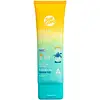
This mineral sunscreen covers the full UV range and blocks ~98% of UVB at SPF 50.
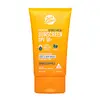
This chemical sunscreen covers the full UV range and blocks ~98% of UVB at SPF 50.

What's inside
What's inside
 Key Ingredients
Benefits
Concerns
Ingredients Side-by-side
Zinc Oxide 25%
Cosmetic Colorant


Helianthus Annuus Seed Oil
Emollient



Water
Skin ConditioningCera Alba
Emollient


Euphorbia Cerifera Cera
Astringent
Polyglyceryl-3 Polyricinoleate
Emulsifying
Potassium Cetyl Phosphate
EmulsifyingIsostearic Acid
Cleansing
Glycerin
Humectant

Polyhydroxystearic Acid
Emulsifying
Sodium Chloride
MaskingMaltodextrin
Absorbent
Xanthan Gum
EmulsifyingVanillin
Masking

Simmondsia Chinensis Seed Oil
Emollient
Calendula Officinalis Extract
Skin Conditioning

Hippophae Rhamnoides Oil
Emollient
Sodium Hyaluronate
Humectant

Bisabolol
Antioxidant
Terminalia Ferdinandiana Fruit Extract
Antioxidant
Ascorbyl Palmitate
Antioxidant

Tocopherol
Antioxidant

Coriandrum Sativum Oil
Masking
Hinokitiol
Citrus Grandis Seed Extract
Astringent
CI 77491
Cosmetic ColorantCI 77492
Cosmetic ColorantCI 77499
Cosmetic ColorantZinc Oxide 25%, Helianthus Annuus Seed Oil, Water, Cera Alba, Euphorbia Cerifera Cera, Polyglyceryl-3 Polyricinoleate, Potassium Cetyl Phosphate, Isostearic Acid, Glycerin, Polyhydroxystearic Acid, Sodium Chloride, Maltodextrin, Xanthan Gum, Vanillin, Simmondsia Chinensis Seed Oil, Calendula Officinalis Extract, Hippophae Rhamnoides Oil, Sodium Hyaluronate, Bisabolol, Terminalia Ferdinandiana Fruit Extract, Ascorbyl Palmitate, Tocopherol, Coriandrum Sativum Oil, Hinokitiol, Citrus Grandis Seed Extract, CI 77491, CI 77492, CI 77499
Bis-Ethylhexyloxyphenol Methoxyphenyl Triazine
UV Absorber
Diethylamino Hydroxybenzoyl Hexyl Benzoate
UV Filter
Ethylhexyl Triazone
UV Absorber
Ethylhexyl Salicylate
UV Absorber
Tris-Biphenyl Triazine
UV Absorber
Butylene Glycol
Humectant
Aloe Barbadensis Leaf Juice
Skin Conditioning
Benzyl Alcohol
Perfuming


Citric Acid
Buffering
Decyl Glucoside
Cleansing
Panthenol
Skin Conditioning
Disodium Phosphate
BufferingDibutyl Adipate
EmollientTocopheryl Acetate
Antioxidant
Alcohol
Antimicrobial
Glycerin
Humectant
Sodium Phytate
ChelatingHydroxyacetophenone
Antioxidant
Phenoxyethanol
Preservative
Potassium Cetyl Phosphate
EmulsifyingWater
Skin ConditioningSodium Hydroxide
BufferingStearic Acid
Cleansing
Vp/Acrylates/Lauryl Methacrylate Copolymer
Xanthan Gum
EmulsifyingBis-Ethylhexyloxyphenol Methoxyphenyl Triazine, Diethylamino Hydroxybenzoyl Hexyl Benzoate, Ethylhexyl Triazone, Ethylhexyl Salicylate, Tris-Biphenyl Triazine, Butylene Glycol, Aloe Barbadensis Leaf Juice, Benzyl Alcohol, Citric Acid, Decyl Glucoside, Panthenol, Disodium Phosphate, Dibutyl Adipate, Tocopheryl Acetate, Alcohol, Glycerin, Sodium Phytate, Hydroxyacetophenone, Phenoxyethanol, Potassium Cetyl Phosphate, Water, Sodium Hydroxide, Stearic Acid, Vp/Acrylates/Lauryl Methacrylate Copolymer, Xanthan Gum
Ingredients Explained
These ingredients are found in both products.
Ingredients higher up in an ingredient list are typically present in a larger amount.
Glycerin (or glycerol) is a compound naturally found in your skin. It's a powerhouse humectant that pulls water into the stratum corneum.
Topically, glycerin does several things at once:
Your skin makes glycerin on its own (mostly from sebaceous oil breakdown) and shuttles it to your outermost layer of skin, or your epidermis, via aquaporin-3.
Aquaporin-3 is a transporter that is essential for normal skin hydration, elasticity, and repair. Interestingly, mice lacking in AQP3 have dry and less elastic skin that can be fully corrected with glycerin.
This ingredient is non-irritating, plays well with almost every ingredient, and works across all skin types. Typical use is anywhere between 3-10% but can go up to 79% in some leave-on products.
Just know very high concentrations (>40%) can feel tacky in low humidity.
Glycerin is the name for this ingredient in American English. British English uses Glycerol/Glycerine.
Learn more about GlycerinPotassium Cetyl Phosphate is the potassium salt of a mixture. This mixture consists of the esters from phosphoricacid and cetyl alcohol.
Potassium Cetyl Phosphate is an emulsifier and cleansing agent. Emulsifiers help stabilize a product. It does this by preventing certain ingredients from separating.
As a cleansing agent, Potassium Cetyl Phosphate helps gather oils, dirts, and pollutants from your skin. This makes it easier to rinse them away with water.
Learn more about Potassium Cetyl PhosphateWater. It's the most common cosmetic ingredient of all. You'll usually see it at the top of ingredient lists, meaning that it makes up the largest part of the product.
So why is it so popular? Water most often acts as a solvent - this means that it helps dissolve other ingredients into the formulation.
You'll also recognize water as that liquid we all need to stay alive. If you see this, drink a glass of water. Remember to stay hydrated!
Learn more about WaterXanthan gum is used as a stabilizer and thickener within cosmetic products. It helps give products a sticky, thick feeling - preventing them from being too runny.
On the technical side of things, xanthan gum is a polysaccharide - a combination consisting of multiple sugar molecules bonded together.
Xanthan gum is a pretty common and great ingredient. It is a natural, non-toxic, non-irritating ingredient that is also commonly used in food products.
Learn more about Xanthan Gum

