This acne exfoliator is formulated around Salicylic Acid to clear breakouts and refine skin texture.
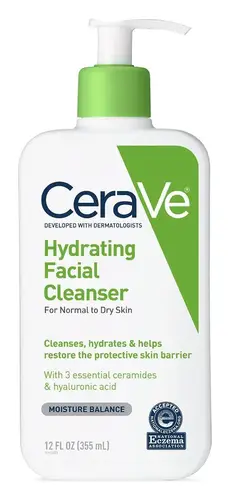
This foaming cleanser uses mild cleansing ingredients, but contains alcohol that may feel drying for some.


What's inside
What's inside
 Key Ingredients
Benefits
Concerns
Ingredients Side-by-side
Water
Skin ConditioningJuglans Regia Shell Powder
Abrasive

Glyceryl Stearate Se
Emulsifying




Glycerin
Humectant


Zea Mays Kernel Meal
Abrasive
Cetearyl Alcohol
Emollient

Cetyl Alcohol
Emollient
Triethanolamine
BufferingSalicylic Acid
Masking







Sodium Lauryl Sulfoacetate
CleansingCocamidopropyl Betaine
Cleansing
Glyceryl Stearate
Emollient
PEG-100 Stearate
Surfactant
Cetyl Acetate
Emollient
Sodium Chloride
MaskingTitanium Dioxide
Cosmetic Colorant

Polysorbate 60
Emulsifying
Carbomer
Emulsion StabilisingCeteareth-20
Cleansing
Sodium Sulfate
Acetylated Lanolin Alcohol
Emollient
Parfum
Masking

Prunus Armeniaca Fruit Extract
Skin ConditioningPropylene Glycol
Humectant
Benzyl Alcohol
Perfuming

Benzoic Acid
Masking
Sorbic Acid
Preservative
Sodium Benzoate
Masking
Water, Juglans Regia Shell Powder, Glyceryl Stearate Se, Glycerin, Zea Mays Kernel Meal, Cetearyl Alcohol, Cetyl Alcohol, Triethanolamine, Salicylic Acid, Sodium Lauryl Sulfoacetate, Cocamidopropyl Betaine, Glyceryl Stearate, PEG-100 Stearate, Cetyl Acetate, Sodium Chloride, Titanium Dioxide, Polysorbate 60, Carbomer, Ceteareth-20, Sodium Sulfate, Acetylated Lanolin Alcohol, Parfum, Prunus Armeniaca Fruit Extract, Propylene Glycol, Benzyl Alcohol, Benzoic Acid, Sorbic Acid, Sodium Benzoate
Water
Skin ConditioningDisodium Cocoamphodiacetate
CleansingGlycerin
Humectant
Sodium Lauroyl Sarcosinate
CleansingGuar Hydroxypropyltrimonium Chloride
Skin ConditioningCocamidopropyl Betaine
Cleansing
Avena Sativa Kernel Flour
Abrasive
Pentylene Glycol
Skin Conditioning
Sodium Lactate
Buffering
Lactic Acid
Buffering


Serine
Masking
Beta-Glucan
Skin Conditioning

Urea
Buffering
Aloe Barbadensis Leaf Juice
Skin Conditioning
Sorbitol
Humectant
Sodium Chloride
MaskingAllantoin
Skin Conditioning
Phenoxyethanol
Preservative
Caprylyl Glycol
Emollient
Sorbic Acid
Preservative
Benzyl Alcohol
Perfuming
Citric Acid
Buffering
Water, Disodium Cocoamphodiacetate, Glycerin, Sodium Lauroyl Sarcosinate, Guar Hydroxypropyltrimonium Chloride, Cocamidopropyl Betaine, Avena Sativa Kernel Flour, Pentylene Glycol, Sodium Lactate, Lactic Acid, Serine, Beta-Glucan, Urea, Aloe Barbadensis Leaf Juice, Sorbitol, Sodium Chloride, Allantoin, Phenoxyethanol, Caprylyl Glycol, Sorbic Acid, Benzyl Alcohol, Citric Acid
Reviews
Ingredients Explained
These ingredients are found in both products.
Ingredients higher up in an ingredient list are typically present in a larger amount.
Benzyl Alcohol is an aromatic alcohol with several roles: it's a preservative, solvent, and mild fragrance component with a floral scent.
This ingredient has been deemed safe for use in cosmetic formulations at concentrations up to 5%, and up to 10% in hair dyes. You'll typically see 0.5-2% in most rinse-off or leave-on products.
As a preservative, it works by disrupting the membrane of microbial proteins. This helps keep bacteria and fungi from growing in your products.
The sensitization picture is actually quite assuring as well:of nearly 71,000 patients patch tested with benzyl alcohol, only 0.21% showed a positive reaction with most of them being weakly positive.
This led researchers to conclude that benzyl alcohol cannot be regarded as a significant contact allergen.
It is worth noting this ingredient is classified as one of the EU's regulated fragrance allergens and restricted to 1% in finished products.
Labels must also declare it in concentrations above 0.001% in leave-on products and 0.01% in rinse-off products.
At concentrations around 5%, localized redness and itching can appear as a direct irritant response and not as a true allergic reaction.
Learn more about Benzyl AlcoholCocamidopropyl Betaine is a fatty acid created by mixing similar compounds in coconut oil and dimethylaminopropylamine, a compound with two amino groups.
This ingredient is a surfactant and cleanser. It helps gather the dirt, pollutants, and other impurities in your skin to be washed away. It also helps thicken a product and make the texture more creamy.
Being created from coconut oil means Cocamidopropyl Betaine is hydrating for the skin.
While Cocamidopropyl Betaine was believed to be an allergen, a study from 2012 disproved this. It found two compounds in unpure Cocamidopropyl Betaine to be the irritants: aminoamide and 3-dimethylaminopropylamine. High-grade and pure Cocamidopropyl Betaine did not induce allergic reactions during this study.
Learn more about Cocamidopropyl BetaineGlycerin (or glycerol) is a compound naturally found in your skin. It's a powerhouse humectant that pulls water into the stratum corneum.
Topically, glycerin does several things at once:
Your skin makes glycerin on its own (mostly from sebaceous oil breakdown) and shuttles it to your outermost layer of skin, or your epidermis, via aquaporin-3.
Aquaporin-3 is a transporter that is essential for normal skin hydration, elasticity, and repair. Interestingly, mice lacking in AQP3 have dry and less elastic skin that can be fully corrected with glycerin.
This ingredient is non-irritating, plays well with almost every ingredient, and works across all skin types. Typical use is anywhere between 3-10% but can go up to 79% in some leave-on products.
Just know very high concentrations (>40%) can feel tacky in low humidity.
Glycerin is the name for this ingredient in American English. British English uses Glycerol/Glycerine.
Learn more about GlycerinChances are, you eat sodium chloride every day. Sodium Chloride is also known as table salt. This ingredient has many purposes in skincare: thickener, emulsifier, and exfoliator.
You'll most likely find this ingredient in cleansers where it is used to create a gel-like texture. As an emulsifier, it also prevents ingredients from separating.
You might see people debate whether Sodium Chloride is comedogenic, but there actually haven't been any comedogenic tests done on it. Either way, the overall formulation of a product matters a lot more than any single ingredient.
You might see this ingredient used in scrubs as a primary exfoliating ingredient.
Learn more about Sodium ChlorideSorbic Acid is a preservative that stops your product from spoiling by stopping microbes from growing.
As a preservative, it's kind of a specialist: it has a broad spectrum of activity against yeast and molds but is weaker against bacteria. That's why it's often paired with another preservative to cover that gap.
This ingredient is also pretty picky about pH; it performs best at pH 6.5 or below.
At the right pH level, sorbic acid is "active" and can slip through the outer wall of a microbe. Once inside, it turns the cell's interior more acidic to shut down the microbe from the inside.
The EU caps this ingredient at 0.6% while the CIR has concluded it's safe at concentrations up to 1%. It's most often used around 0.05-0.2% in cosmetics.
Though this ingredient is considered low-sensitizing and well-tolerated, a very small number of people may have a contact allergy to it. Be sure to patch test if you have a history of allergies towards preservatives.
Learn more about Sorbic AcidWater. It's the most common cosmetic ingredient of all. You'll usually see it at the top of ingredient lists, meaning that it makes up the largest part of the product.
So why is it so popular? Water most often acts as a solvent - this means that it helps dissolve other ingredients into the formulation.
You'll also recognize water as that liquid we all need to stay alive. If you see this, drink a glass of water. Remember to stay hydrated!
Learn more about Water