Some By Mi 30 Days Miracle Tea Tree Clear Spot Oil Versus SKIN1004 Madagascar Centella Tea-Trica Spot Cream
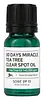
This acne oil is formulated around Melaleuca Alternifolia Leaf Oil to clear breakouts and balance excess oil.
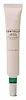
This acne treatment is formulated around Melaleuca Alternifolia Leaf Water and Niacinamide to clear breakouts and calm redness.

What's inside
What's inside
 Key Ingredients
Benefits
Concerns
Ingredients Side-by-side


Water
Skin ConditioningMelaleuca Alternifolia Leaf Water
Antimicrobial


Butylene Glycol
Humectant

Glycerin
Humectant
Ethoxydiglycol
Humectant1,2-Hexanediol
Skin Conditioning
Dipropylene Glycol
HumectantNiacinamide
Smoothing






Caprylic/Capric Triglyceride
Masking
Propanediol
Solvent
Ammonium Acryloyldimethyltaurate/Vp Copolymer
Glycereth-26
Humectant
Glyceryl Stearate
Emollient

Neopentyl Glycol Diheptanoate
EmollientOctyldodecanol
Emollient
Asiaticoside
Antioxidant
Panthenol
Skin Conditioning
Asiatic Acid
Skin Conditioning
Cetearyl Olivate
Glycolipids
Skin ConditioningHydrogenated Lecithin
Emulsifying
Madecassic Acid
Skin Conditioning
C12-13 Alketh-9
EmulsifyingSorbitan Olivate
Emulsifying
Melaleuca Alternifolia Leaf Oil
Antioxidant




Pentylene Glycol
Skin Conditioning
Ethylhexylglycerin
Skin ConditioningCaprylyl Glycol
Emollient
Chamaecyparis Obtusa Water
MaskingPinus Palustris Leaf Extract
TonicDisodium EDTA
ChelatingHyaluronic Acid
Humectant
Hydrolyzed Hyaluronic Acid
Humectant
Sodium Hyaluronate
Humectant
Zea Mays Kernel Extract
Ammonium Polyacryloyldimethyl Taurate
Emulsion StabilisingGluconolactone
Chelating
Centella Asiatica Extract
Cleansing
Capryloyl Salicylic Acid
Exfoliating
Fructan
Skin ConditioningGlucose
Humectant
Calamine
AbsorbentEugenol
Perfuming
Water, Melaleuca Alternifolia Leaf Water, Butylene Glycol, Glycerin, Ethoxydiglycol, 1,2-Hexanediol, Dipropylene Glycol, Niacinamide, Caprylic/Capric Triglyceride, Propanediol, Ammonium Acryloyldimethyltaurate/Vp Copolymer, Glycereth-26, Glyceryl Stearate, Neopentyl Glycol Diheptanoate, Octyldodecanol, Asiaticoside, Panthenol, Asiatic Acid, Cetearyl Olivate, Glycolipids, Hydrogenated Lecithin, Madecassic Acid, C12-13 Alketh-9, Sorbitan Olivate, Melaleuca Alternifolia Leaf Oil, Pentylene Glycol, Ethylhexylglycerin, Caprylyl Glycol, Chamaecyparis Obtusa Water, Pinus Palustris Leaf Extract, Disodium EDTA, Hyaluronic Acid, Hydrolyzed Hyaluronic Acid, Sodium Hyaluronate, Zea Mays Kernel Extract, Ammonium Polyacryloyldimethyl Taurate, Gluconolactone, Centella Asiatica Extract, Capryloyl Salicylic Acid, Fructan, Glucose, Calamine, Eugenol
Reviews
Ingredients Explained
These ingredients are found in both products.
Ingredients higher up in an ingredient list are typically present in a larger amount.
Butylene Glycol (or BG) is used within cosmetic products for a few different reasons:
Overall, Butylene Glycol is a safe and well-rounded ingredient that works well with other ingredients.
Though this ingredient works well with most skin types, some people with sensitive skin may experience a reaction such as allergic rashes, closed comedones, or itchiness.
Learn more about Butylene GlycolThis ingredient is also known as tea tree oil. It has antioxidant, anti-inflammatory, and antimicrobial properties.
Tea tree oil is a complex lipophilic (fat-loving) oil that contains around 100 compounds with terpinen-4-ol being the most abundant (~40%).
Terpinen-4-ol is responsible for tea tree oil's broad-spectrum antimicrobial activity and makes it a well-researched option for acne.
Clinical studies support 5% tea tree oil as an effective topical treatment for mild to moderate acne. A study with 124 patients compared 5% tea tree oil gel to 5% benzoyl peroxide and both reduced acne (though tea tree oil worked more slowly).
Besides acne, it is also seen in anti-dandruff shampoos and scalp treatments for it's antimicrobial and anti-seborrheic properties.
Safety-wise, the allergic potential of low concentrations on healthy skin is considered low. However, oxidized (old or improperly stored) tea tree oil is a stronger sensitizer.
Irritation can also occur if using the undiluted oil on skin; it's best to use this ingredient as part of a carefully crafted cosmetic formula. This is because regulations require tea tree oil in cosmetics to be stabilized to prevent degradation.
This ingredient has been deemed safe up to 2% in shampoo, 1% in cleansers, and 0.1% in face cream by the EU's Scientific Committee on Consumer Safety (SCCS).
There is some lab evidence that tea tree oil is antifungal against Malassezia, but it is a supportive option at best and not a replacement for proven antifungal treatments.
Learn more about Melaleuca Alternifolia Leaf OilPanthenol is a common ingredient that helps hydrate and soothe the skin. It is found naturally in our skin and hair.
There are two forms of panthenol: D and L.
D-panthenol is also known as dexpanthenol. Most cosmetics use dexpanthenol or a mixture of D and L-panthenol.
Panthenol is famous due to its ability to go deeper into the skin's layers. Using this ingredient has numerous pros (and no cons):
Like hyaluronic acid, panthenol is a humectant. Humectants are able to bind and hold large amounts of water to keep skin hydrated.
This ingredient works well for wound healing. It works by increasing tissue in the wound and helps close open wounds.
Once oxidized, panthenol converts to pantothenic acid. Panthothenic acid is found in all living cells.
This ingredient is also referred to as pro-vitamin B5.
Learn more about PanthenolWater. It's the most common cosmetic ingredient of all. You'll usually see it at the top of ingredient lists, meaning that it makes up the largest part of the product.
So why is it so popular? Water most often acts as a solvent - this means that it helps dissolve other ingredients into the formulation.
You'll also recognize water as that liquid we all need to stay alive. If you see this, drink a glass of water. Remember to stay hydrated!
Learn more about Water

