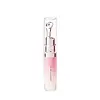
This lip moisturizer is formulated around Ascorbyl Tetraisopalmitate and Palmitoyl Tripeptide-1 to hydrate lips.
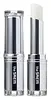
This lip moisturizer is formulated around Dimethicone and Caprylic/Capric Triglyceride to hydrate lips.


What's inside
What's inside
 Key Ingredients
Benefits
Concerns
Ingredients Side-by-side
Petrolatum
Emollient



Hydrogenated Polyisobutene
EmollientOctyldodecanol
Emollient
Polyglyceryl-2 Triisostearate
Emulsifying

Triisostearyl Citrate
EmollientC10-30 Cholesterol/Lanosterol Esters
Emulsifying
Ascorbyl Tetraisopalmitate
Antioxidant


Ethylene/Propylene/Styrene Copolymer
Ricinus Communis Seed Oil
Masking
Squalane
Emollient

Dipalmitoyl Hydroxyproline
Skin Conditioning
Sodium Hyaluronate
Humectant

Butyrospermum Parkii Butter
Skin Conditioning

Tocopherol
Antioxidant

Hydrogenated Castor Oil
Emollient
Palmitoyl Tripeptide-1
Skin Conditioning


Ceramide NP
Skin Conditioning

Ceramide Ns
Skin Conditioning
Ceramide As
Skin Conditioning
Ceramide EOP
Skin Conditioning
Ceramide AP
Skin Conditioning
Parfum
Masking
Butylene/Ethylene/Styrene Copolymer
Ethylhexyl Palmitate
Emollient
Disodium EDTA
Tribehenin
Emollient
Sorbitan Isostearate
Emulsifying
Pentaerythrityl Tetra-Di-T-Butyl Hydroxyhydrocinnamate
Antioxidant
Glycerin
Humectant
Hydrogenated Lecithin
Emulsifying
Petrolatum, Hydrogenated Polyisobutene, Octyldodecanol, Polyglyceryl-2 Triisostearate, Triisostearyl Citrate, C10-30 Cholesterol/Lanosterol Esters, Ascorbyl Tetraisopalmitate, Ethylene/Propylene/Styrene Copolymer, Ricinus Communis Seed Oil, Squalane, Dipalmitoyl Hydroxyproline, Sodium Hyaluronate, Butyrospermum Parkii Butter, Tocopherol, Hydrogenated Castor Oil, Palmitoyl Tripeptide-1, Ceramide NP, Ceramide Ns, Ceramide As, Ceramide EOP, Ceramide AP, Parfum, Butylene/Ethylene/Styrene Copolymer, Ethylhexyl Palmitate, Disodium EDTA, Tribehenin, Sorbitan Isostearate, Pentaerythrityl Tetra-Di-T-Butyl Hydroxyhydrocinnamate, Glycerin, Hydrogenated Lecithin
Dimethicone
Emollient
Synthetic Fluorphlogopite
Tridecyl Trimellitate
EmollientPolyglyceryl-2 Triisostearate
Emulsifying
Synthetic Wax
Abrasive
Caprylic/Capric Triglyceride
Masking
Methyl Methacrylate Crosspolymer

Microcrystalline Wax
Emulsion StabilisingSilica
Abrasive
Bis-Diglyceryl Polyacyladipate-2
Emollient
Dimethicone Crosspolymer
Emulsion Stabilising
PEG-10 Dimethicone
Skin Conditioning
Sorbitan Isostearate
Emulsifying
Parfum
Masking
Dimethicone, Synthetic Fluorphlogopite, Tridecyl Trimellitate, Polyglyceryl-2 Triisostearate, Synthetic Wax, Caprylic/Capric Triglyceride, Methyl Methacrylate Crosspolymer, Microcrystalline Wax, Silica, Bis-Diglyceryl Polyacyladipate-2, Dimethicone Crosspolymer, PEG-10 Dimethicone, Sorbitan Isostearate, Parfum
Reviews
Ingredients Explained
These ingredients are found in both products.
Ingredients higher up in an ingredient list are typically present in a larger amount.
Parfum is a catch-all term for an ingredient or more that is used to give a scent to products.
Also called "fragrance", this ingredient can be a blend of hundreds of chemicals or plant oils. This means every product with "fragrance" or "parfum" in the ingredients list is a different mixture.
For instance, Habanolide is a proprietary trade name for a specific aroma chemical. When used as a fragrance ingredient in cosmetics, most aroma chemicals fall under the broad labeling category of “FRAGRANCE” or “PARFUM” according to EU and US regulations.
The term 'parfum' or 'fragrance' is not regulated in many countries. In many cases, it is up to the brand to define this term.
For instance, many brands choose to label themselves as "fragrance-free" because they are not using synthetic fragrances. However, their products may still contain ingredients such as essential oils that are considered a fragrance by INCI standards.
One example is Calendula flower extract. Calendula is an essential oil that still imparts a scent or 'fragrance'.
Depending on the blend, the ingredients in the mixture can cause allergies and sensitivities on the skin. Some ingredients that are known EU allergens include linalool and citronellol.
Parfum can also be used to mask or cover an unpleasant scent.
The bottom line is: not all fragrances/parfum/ingredients are created equally. If you are worried about fragrances, we recommend taking a closer look at an ingredient. And of course, we always recommend speaking with a professional.
Learn more about ParfumPolyglyceryl-2 Triisostearate is a plant-derived emulsifier and pigment-dispersing agent with a non-sticky skin feel.
It helps products glide on smoothly and prevents oil and water from separating in a formula, making it suitable for sunscreen and makeup formulations.
The EU inventory of cosmetics has no use restrictions on this ingredient and it is considered well-tolerated.
This ingredient may not be fungal acne safe because it is derived from isostearic acid.
Learn more about Polyglyceryl-2 TriisostearateSorbitan Isostearate is an emulsifer. It is created from isostearic acid and sorbitol.
As an emulsifier, it keeps the water and oil ingredients from separating. This keeps formulas stable and smooth.
In a 24 hour occlusive patch test on 56 subjects, 10% sorbitan isostearate was completely non-irritating. Most formulas use less than 10%.
Because it's a fatty acid ester, it may not be fungal acne safe since the Malassezia yeast can utilize it as a nutrient source.
Learn more about Sorbitan Isostearate

