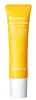
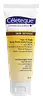
Skinever Vitamin C Brightening Sunscreen SPF 50+ Versus Celeteque Skin Defense Face and Body Daily Protection Cream SPF 50
This hybrid sunscreen covers the full UV range and blocks ~98% of UVB at SPF 50.
This hybrid sunscreen covers the full UV range and blocks ~98% of UVB at SPF 50.


What's inside
What's inside
 Key Ingredients
Benefits
Concerns
Ingredients Side-by-side
Water
Skin ConditioningGlycerin
Humectant


Isopropyl Myristate
Emollient





Caprylic/Capric Triglyceride
Masking
Cyclopentasiloxane
Emollient
Butylene Glycol
Humectant
Titanium Dioxide
Cosmetic Colorant

Cetearyl Olivate
Sorbitan Olivate
Emulsifying
Octocrylene
UV Absorber
Dimethicone
Emollient
Ascorbic Acid
Antioxidant





Niacinamide
Smoothing





Acrylates Copolymer
Butyl Methoxydibenzoylmethane
UV Absorber
Bis-Ethylhexyloxyphenol Methoxyphenyl Triazine
UV Absorber
Potassium Cetyl Phosphate
EmulsifyingGlutathione
Silica
Abrasive
Dimethiconol
Emollient
Hydroxyacetophenone
Antioxidant
1,2-Hexanediol
Skin Conditioning
Ceramide NP
Skin Conditioning
Sodium Hyaluronate
Humectant
Centella Asiatica Extract
Cleansing
Glycyrrhiza Glabra Root Extract
Bleaching
Water, Glycerin, Isopropyl Myristate, Caprylic/Capric Triglyceride, Cyclopentasiloxane, Butylene Glycol, Titanium Dioxide, Cetearyl Olivate, Sorbitan Olivate, Octocrylene, Dimethicone, Ascorbic Acid, Niacinamide, Acrylates Copolymer, Butyl Methoxydibenzoylmethane, Bis-Ethylhexyloxyphenol Methoxyphenyl Triazine, Potassium Cetyl Phosphate, Glutathione, Silica, Dimethiconol, Hydroxyacetophenone, 1,2-Hexanediol, Ceramide NP, Sodium Hyaluronate, Centella Asiatica Extract, Glycyrrhiza Glabra Root Extract
Water
Skin ConditioningIsopropyl Myristate
Emollient
Zinc Oxide
Cosmetic Colorant
Beeswax
Emulsion Stabilising
Butyl Methoxydibenzoylmethane
UV Absorber
Sorbitan Oleate
Emulsifying
Buddleja Davidii Extract
Skin ConditioningThymus Vulgaris Extract
Perfuming
Stearic Acid
Cleansing
Ethylhexyl Salicylate
UV Absorber
Polysorbate 20
Emulsifying
Sodium Borate
BufferingPolyacrylate-13
Polyisobutene
Phenoxyethanol
Preservative
Caprylyl Glycol
Emollient
Aloe Barbadensis Leaf Extract
Emollient
Citric Acid
Buffering
Bisabolol
Antioxidant
Parfum
Masking
Water, Isopropyl Myristate, Zinc Oxide, Beeswax, Butyl Methoxydibenzoylmethane, Sorbitan Oleate, Buddleja Davidii Extract, Thymus Vulgaris Extract, Stearic Acid, Ethylhexyl Salicylate, Polysorbate 20, Sodium Borate, Polyacrylate-13, Polyisobutene, Phenoxyethanol, Caprylyl Glycol, Aloe Barbadensis Leaf Extract, Citric Acid, Bisabolol, Parfum
Reviews
Ingredients Explained
These ingredients are found in both products.
Ingredients higher up in an ingredient list are typically present in a larger amount.
Also known as Avobenzone, this ingredient is an oil-soluble used to absorb the full spectrum of UVA rays (peak 357 nm).
It's one of the most effective UVA filters available but has a major caveat of photostability: avobenzone is susceptible to photodegradation.
This means it can lose efficacy when exposed to sunlight without the help of a stabilizing agent.
Studies show antioxidants (like vitamin E or vitamin C) and some UV filters (like octocrylene and Tinosorb S) can meaningfully improve its stability in a formulation.
The maximum allowable concentration according to regulation is 3% in the US + Canada, and 5% in the EU, Australia, China, Korea, and ASEAN countries.
It has a well-support safety profile: a comprehensive 2025 review found minimal toxicity with no evidence of carcinogenicity.
Overall, avobenzone is a safe and regulated ingredient used in sunscreen for over 40 years.
Learn more about Butyl MethoxydibenzoylmethaneIsopropyl Myristate is an ester made by combining isopropyl alcohol with myristic acid.
It is primarily an emollient and penetration enhancer that gives products a lightweight, silky feel without the heaviness of oils.
This ingredient is generally considered non-toxic, non-irritating, and has low absorption potential.
This ingredient does have a comedogenic rating of 3-5, but this doesn't mean a formula with this ingredient will clog pores.
Dermatologist Dr. Zoe Draelos has also confirmed in a peer-reviewed paper that products containing comedogenic ingredients are not necessarily comedogenic themselves.
A small subset of people (~2%) may experience contact sensitivity so patch testing is a reasonable idea if you have reactive skin.
Since this ingredient is an ester of myristic acid (a C14 fatty acid), it falls within the carbon chain range that is known to feed Malassezia. This ingredient may not be fungal acne safe.
Learn more about Isopropyl MyristateWater. It's the most common cosmetic ingredient of all. You'll usually see it at the top of ingredient lists, meaning that it makes up the largest part of the product.
So why is it so popular? Water most often acts as a solvent - this means that it helps dissolve other ingredients into the formulation.
You'll also recognize water as that liquid we all need to stay alive. If you see this, drink a glass of water. Remember to stay hydrated!
Learn more about Water

