This barrier-repair moisturizer is formulated around Ectoin and Niacinamide to strengthen the skin barrier and calm redness.
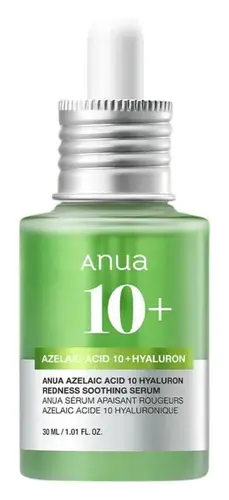
This acne moisturizer is formulated around Azelaic Acid to clear breakouts and calm redness.


What's inside
What's inside
 Key Ingredients
Benefits
Ingredients Side-by-side
Water
Skin ConditioningButylene Glycol
Humectant

Dipropylene Glycol
HumectantGlycerin
Humectant
Ectoin
Skin Conditioning



Niacinamide
Smoothing






Pentylene Glycol
Skin Conditioning
1,2-Hexanediol
Skin Conditioning
Carbomer
Emulsion StabilisingTromethamine
BufferingPanthenol
Skin Conditioning
PEG-240/Hdi Copolymer Bis-Decyltetradeceth-20 Ether
StabilisingCaprylic/Capric Triglyceride
Masking
Ethylhexylglycerin
Skin ConditioningAdenosine
Skin Conditioning
Hydrogenated Lecithin
Emulsifying
Sodium Phytate
Ceramide NP
Skin Conditioning
Beta-Glucan
Skin Conditioning
Allantoin
Skin Conditioning
Tocopherol
Antioxidant

Potassium Laurate
EmulsifyingMadecassoside
Antioxidant
Water, Butylene Glycol, Dipropylene Glycol, Glycerin, Ectoin, Niacinamide, Pentylene Glycol, 1,2-Hexanediol, Carbomer, Tromethamine, Panthenol, PEG-240/Hdi Copolymer Bis-Decyltetradeceth-20 Ether, Caprylic/Capric Triglyceride, Ethylhexylglycerin, Adenosine, Hydrogenated Lecithin, Sodium Phytate, Ceramide NP, Beta-Glucan, Allantoin, Tocopherol, Potassium Laurate, Madecassoside
Lactobacillus/Houttuynia Cordata Leaf Extract Ferment Filtrate
Skin ConditioningAzelaic Acid
Buffering
Dipropylene Glycol
HumectantSodium Hydroxide
BufferingButylene Glycol
Humectant
Pentylene Glycol
Skin Conditioning
Propanediol
Solvent
Tromethamine
BufferingPanthenol
Skin Conditioning
Hydrogenated Lecithin
Emulsifying
Phytosterols
Skin Conditioning
Dipotassium Glycyrrhizate
Humectant
Madecassoside
Antioxidant
Asiaticoside
Antioxidant
Gluconolactone
Skin Conditioning
Succinic Acid
BufferingCitric Acid
Buffering

Sodium Acetylated Hyaluronate
Humectant
Sodium Hyaluronate
Humectant
Sodium Hyaluronate Crosspolymer
Humectant
Hydrolyzed Sodium Hyaluronate
Skin Conditioning
Centella Asiatica Extract
Cleansing
Ethylhexylglycerin
Skin ConditioningCaprylyl Glycol
Emollient
Phenoxyethanol
Preservative
Water
Skin ConditioningLactobacillus/Houttuynia Cordata Leaf Extract Ferment Filtrate, Azelaic Acid, Dipropylene Glycol, Sodium Hydroxide, Butylene Glycol, Pentylene Glycol, Propanediol, Tromethamine, Panthenol, Hydrogenated Lecithin, Phytosterols, Dipotassium Glycyrrhizate, Madecassoside, Asiaticoside, Gluconolactone, Succinic Acid, Citric Acid, Sodium Acetylated Hyaluronate, Sodium Hyaluronate, Sodium Hyaluronate Crosspolymer, Hydrolyzed Sodium Hyaluronate, Centella Asiatica Extract, Ethylhexylglycerin, Caprylyl Glycol, Phenoxyethanol, Water
Reviews
Ingredients Explained
These ingredients are found in both products.
Ingredients higher up in an ingredient list are typically present in a larger amount.
Butylene Glycol (or BG) is used within cosmetic products for a few different reasons:
Overall, Butylene Glycol is a safe and well-rounded ingredient that works well with other ingredients.
Though this ingredient works well with most skin types, some people with sensitive skin may experience a reaction such as allergic rashes, closed comedones, or itchiness.
Learn more about Butylene GlycolDipropylene Glycol is a synthetically created humectant, stabilizer, and solvent.
This ingredient helps:
Dipropylene glycol is technically an alcohol, but it belongs to the glycol family (often considered part of the ‘good’ alcohols). This means it is hydrating and gentle on skin unlike drying solvent alcohols like denatured alcohol.
As a masking agent, Dipropylene Glycol can be used to cover the smell of other ingredients. However, it does not have a scent.
Studies show Dipropylene Glycol is considered safe to use in skincare.
Learn more about Dipropylene GlycolEthylhexylglycerin is created from glycerin. It is a multitasker ingredient that:
The CIR Expert Panel found minimal skin absorption or sensitization of any kind in a safety assessment. Though this ingredient is considered well-tolerated, a small number of cases of allergic dermatitis have been published since 2002. Just be sure to patch test if you are unsure.
Industry-reported use ranges from 8% in rinse-off products and 2% in leave-on formulations.
Learn more about EthylhexylglycerinHydrogenated Lecithin is a more stable version of lecithin.
It's made by taking lecithin (a phospholipid commonly found in soybeans and egg yolks) and hydrogenating it. This just means the unsaturated fatty acids are turned into saturated ones so they don't go bad as easily.
This ingredient is an emollient, emulsifier, and penetration enhancer. As an emollient, it helps soften and hydrate skin by trapping moisture within. As an emulsifier, it prevents oil and water ingredients from separating.
Hydrogenated Lecithin can form tiny spherical structures made of phospholipid bilayers called liposomes. These liposomes are able to capture compounds inside their structure and deliver them through the skin barrier.
Because phospholipids are a natural component of our cell membranes, this ingredient is inherently compatible with skin.
A 2021 study found lecithin-based surfactants were less harsh and more tolerable comared to Sodium Lauryl Sulfate (SLS).
Learn more about Hydrogenated LecithinMadecassoside is one of four active compounds found in Centella asiatica and is one of the main reasons Centella is so effective at calming irritated skin and supporting the moisture barrier.
There's a solid body of peer-reviewed research backing Madecassoside for several skin benefits. Studies have found:
Madecassoside pairs well with other hydrating or antioxidant ingredients like Ascorbic Acid or Hyaluronic Acid.
Learn more about MadecassosidePanthenol is a common ingredient that helps hydrate and soothe the skin. It is found naturally in our skin and hair.
There are two forms of panthenol: D and L.
D-panthenol is also known as dexpanthenol. Most cosmetics use dexpanthenol or a mixture of D and L-panthenol.
Panthenol is famous due to its ability to go deeper into the skin's layers. Using this ingredient has numerous pros (and no cons):
Like hyaluronic acid, panthenol is a humectant. Humectants are able to bind and hold large amounts of water to keep skin hydrated.
This ingredient works well for wound healing. It works by increasing tissue in the wound and helps close open wounds.
Once oxidized, panthenol converts to pantothenic acid. Panthothenic acid is found in all living cells.
This ingredient is also referred to as pro-vitamin B5.
Learn more about PanthenolPentylene Glycol (1,2-pentanediol) is a multitasking little diol with three main roles in a formula:
Research on alkanediols (the family pentylene glycol belongs to) show they work by disrupting microbial cell membranes. This disruption helps the primary preservative system in a product work more effectively at lower doses.
On the safety side, the Cosmetic Ingredient Review Expert Panel has concluded this ingredient to be safe as used in current cosmetic practices + concentrations.
Typical use levels in a formula run about 1-5%.
Learn more about Pentylene GlycolTromethamine (aka THAM) is a synthetic amino acid that shows up in skincare as a helper ingredient.
It functions as a pH adjuster to help neutralize acidic ingredients and set a formula's pH to the right spot.
This matters a lot because a lot of actives (like vitamin C) needs a specific pH to work well and feel comfortable on skin.
Concentration use ranges from 0.1-1.0% depending on the formula.
Learn more about TromethamineWater. It's the most common cosmetic ingredient of all. You'll usually see it at the top of ingredient lists, meaning that it makes up the largest part of the product.
So why is it so popular? Water most often acts as a solvent - this means that it helps dissolve other ingredients into the formulation.
You'll also recognize water as that liquid we all need to stay alive. If you see this, drink a glass of water. Remember to stay hydrated!
Learn more about Water