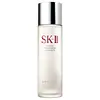
This barrier-repair essence is formulated around Galactomyces Ferment Filtrate to strengthen the skin barrier and hydrate skin.
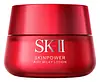
This anti-aging moisturizer is formulated around Galactomyces Ferment Filtrate and Niacinamide to soften the look of wrinkles and refine skin texture.

What's inside
What's inside
 Key Ingredients
No key ingredients
Benefits
Concerns
Ingredients Side-by-side
Water
Skin ConditioningGalactomyces Ferment Filtrate
Humectant







Glycerin
Humectant
Niacinamide
Smoothing





Isohexadecane
EmollientPentylene Glycol
Skin Conditioning
Xylitol
Humectant
Dimethicone
Emollient
Isopropyl Isostearate
Emollient


Butylene Glycol
Humectant
Polyacrylamide
Vinyl Dimethicone/Methicone Silsesquioxane Crosspolymer
Stearyl Alcohol
Emollient
C13-14 Isoparaffin
Emollient
Cetyl Alcohol
Emollient
Panthenol
Skin Conditioning
Tocopheryl Acetate
Antioxidant

Behenyl Alcohol
Emollient
Benzyl Alcohol
Perfuming





Dimethiconol
Emollient
Sodium Acrylate/Sodium Acryloyldimethyl Taurate Copolymer
Emulsion StabilisingLaureth-7
EmulsifyingMethylparaben
Preservative

PEG-100 Stearate
Surfactant
Parfum
Masking
Sorbitan Stearate
Emulsifying
Disodium EDTA
Paeonia Albiflora Root Extract
Skin ConditioningPropylparaben
Preservative
Cetearyl Alcohol
Emollient
Cetearyl Glucoside
Emulsifying
Ethylparaben
Preservative
Palmitic Acid
Emollient
Stearic Acid
Cleansing
Polymethylsilsesquioxane
Polysorbate 80
Emulsifying
PEG-7 Glyceryl Cocoate
Emulsifying
Sodium Hydroxide
BufferingSorbitan Oleate
Emulsifying
Houttuynia Cordata Extract
Skin Conditioning
Palmitoyl Pentapeptide-4
Skin Conditioning
Methylsilanol Tri-PEG-8 Glyceryl Cocoate
Emulsifying
Zantedeschia Aethiopica Flower/Stem Extract
MaskingPolyquaternium-7
Methicone
Emollient
CI 77891
Cosmetic ColorantCI 77492
Cosmetic ColorantWater, Galactomyces Ferment Filtrate, Glycerin, Niacinamide, Isohexadecane, Pentylene Glycol, Xylitol, Dimethicone, Isopropyl Isostearate, Butylene Glycol, Polyacrylamide, Vinyl Dimethicone/Methicone Silsesquioxane Crosspolymer, Stearyl Alcohol, C13-14 Isoparaffin, Cetyl Alcohol, Panthenol, Tocopheryl Acetate, Behenyl Alcohol, Benzyl Alcohol, Dimethiconol, Sodium Acrylate/Sodium Acryloyldimethyl Taurate Copolymer, Laureth-7, Methylparaben, PEG-100 Stearate, Parfum, Sorbitan Stearate, Disodium EDTA, Paeonia Albiflora Root Extract, Propylparaben, Cetearyl Alcohol, Cetearyl Glucoside, Ethylparaben, Palmitic Acid, Stearic Acid, Polymethylsilsesquioxane, Polysorbate 80, PEG-7 Glyceryl Cocoate, Sodium Hydroxide, Sorbitan Oleate, Houttuynia Cordata Extract, Palmitoyl Pentapeptide-4, Methylsilanol Tri-PEG-8 Glyceryl Cocoate, Zantedeschia Aethiopica Flower/Stem Extract, Polyquaternium-7, Methicone, CI 77891, CI 77492
Reviews
Ingredients Explained
These ingredients are found in both products.
Ingredients higher up in an ingredient list are typically present in a larger amount.
Butylene Glycol (or BG) is used within cosmetic products for a few different reasons:
Overall, Butylene Glycol is a safe and well-rounded ingredient that works well with other ingredients.
Though this ingredient works well with most skin types, some people with sensitive skin may experience a reaction such as allergic rashes, closed comedones, or itchiness.
Learn more about Butylene GlycolGalactomyces Ferment Filtrate (GFF) is a byproduct of fermenting Galactomyces yeast (the same yeast traditionally used to brew sake, Japan's beloved rice wine).
Sake brewers have long been known for their remarkably youthful hands. This is what actually first sparked scientific interest in GFF's skin benefits.
GFF works by stimulating filaggrin production in the skin. Filaggrin is a protein that binds structural proteins in the outer skin layer together to form a tight barrier that shields against allergens, bacteria, and moisture loss.
It's also a key building block of our natural moisturizing factors (NMF), or the network of compounds that keep skin plump and hydrated.
By boosting filaggrin, GFF helps strengthen both our barrier and our skin's ability to retain moisture.
Beyond hydration, GFF has notable antioxidant properties that help protect against oxidative stress and UV-induced inflammation.
Research also suggests it may help regulate sebum and keratin production. This could be an interesting option for those concerned about oiliness or skin texture.
Fungal acne:
This ingredient doesn't contain fatty acids or oils that could feed Malassezia, and the yeast used to make it (Galactomyces) is a different genera of fungi from Malassezia. The presence of one doesn't stimulate the other.
However, there is a concern raised by some communities that this ingredient could trigger a reaction in people who are broadly sensitive to yeast/fungal-derived ingredients.
Learn more about Galactomyces Ferment FiltrateMethylparaben is a synthetic preservative and one of the most widely used in the world. It has a simple, but important job: prevent your products from going bad by stopping bacteria, yeast, and mold from growing.
Typical use levels are low, often 0.1-0.3%.
This is also one of the most heavily studied preservatives out there and major regulatory bodies have repeatedly given it the green light.
In 2023, the EU's Scientific Committee on Consumer Safety (SCCS) confirmed that this ingredient is safe up to 0.4% on its own, of up to 0.8% when mixed with other paraben esters.
Here's the science behind the noise behind parabens/hormones as well:
Methylparaben shows very weak estrogen-like activity in vitro tests (more than 1,000x weaker than your body's own estradiol). In vivo (live-organism) studies don't support a meaningful endocrine-disrupting effect either.
You get a stronger estrogenic effect from eating tofu, actually.
It's also a low sensitizer and allergic reactions are uncommon; they usually happen on damage or broken skin.
There is a caveat: France has proposed to formally re-examine its endocrine classification in 2025 so the regulatory conversation isn't fully closed as of yet.
But as it stands today, this ingredient is considered safe at permitted levels.
Learn more about MethylparabenPentylene Glycol (1,2-pentanediol) is a multitasking little diol with three main roles in a formula:
Research on alkanediols (the family pentylene glycol belongs to) show they work by disrupting microbial cell membranes. This disruption helps the primary preservative system in a product work more effectively at lower doses.
On the safety side, the Cosmetic Ingredient Review Expert Panel has concluded this ingredient to be safe as used in current cosmetic practices + concentrations.
Typical use levels in a formula run about 1-5%.
Learn more about Pentylene GlycolWater. It's the most common cosmetic ingredient of all. You'll usually see it at the top of ingredient lists, meaning that it makes up the largest part of the product.
So why is it so popular? Water most often acts as a solvent - this means that it helps dissolve other ingredients into the formulation.
You'll also recognize water as that liquid we all need to stay alive. If you see this, drink a glass of water. Remember to stay hydrated!
Learn more about Water

