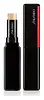
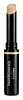
Shiseido Synchro Skin Correcting Gelstick Concealer Versus bareMinerals Barepro 16-Hr Full Coverage Concealer


What's inside
What's inside
 Key Ingredients
Benefits
Concerns
Ingredients Side-by-side
Hydrogenated Polydecene
EmollientCI 77891
Cosmetic ColorantCI 77492
Cosmetic ColorantKaolin
Abrasive



Mica
Cosmetic ColorantCyclopentasiloxane
Emollient
Diphenylsiloxy Phenyl Trimethicone
Skin Conditioning
CI 77491
Cosmetic ColorantParaffin
Skin Conditioning
Lithium Magnesium Sodium Silicate
AbsorbentSorbitan Sesquiisostearate
Emulsifying

Polyethylene
Abrasive
CI 77499
Cosmetic ColorantCI 77120
Cosmetic ColorantGlycerin
Humectant


Dimethicone/Vinyl Dimethicone Crosspolymer
Skin Conditioning
Copernicia Cerifera Wax
Microcrystalline Wax
Emulsion StabilisingWater
Skin ConditioningIsododecane
EmollientPhenoxyethanol
Preservative
PEG-10 Dimethicone
Skin Conditioning
Polysilicone-2
Hydrogenated Polyisobutene
EmollientAluminum Hydroxide
EmollientSynthetic Fluorphlogopite
Disteardimonium Hectorite
StabilisingEthylene/Propylene/Styrene Copolymer
Simethicone
Emollient
Butylene Glycol
Humectant
Propylene Carbonate
SolventTocopherol
Antioxidant





Agar
MaskingNacre Powder
Abrasive
Polymethylsilsesquioxane
Polyquaternium-51
Skin Conditioning
Stearic Acid
Cleansing
Triethoxysilylethyl Polydimethylsiloxyethyl Dimethicone
Skin Conditioning
Butylene/Ethylene/Styrene Copolymer
Thymus Serpyllum Extract
Skin ConditioningAlumina
Abrasive
Sericin
Skin ConditioningSodium Acetylated Hyaluronate
Humectant
BHT
Antioxidant
Citric Acid
Buffering
Potassium Sorbate
Preservative
Hydrogenated Polydecene, CI 77891, CI 77492, Kaolin, Mica, Cyclopentasiloxane, Diphenylsiloxy Phenyl Trimethicone, CI 77491, Paraffin, Lithium Magnesium Sodium Silicate, Sorbitan Sesquiisostearate, Polyethylene, CI 77499, CI 77120, Glycerin, Dimethicone/Vinyl Dimethicone Crosspolymer, Copernicia Cerifera Wax, Microcrystalline Wax, Water, Isododecane, Phenoxyethanol, PEG-10 Dimethicone, Polysilicone-2, Hydrogenated Polyisobutene, Aluminum Hydroxide, Synthetic Fluorphlogopite, Disteardimonium Hectorite, Ethylene/Propylene/Styrene Copolymer, Simethicone, Butylene Glycol, Propylene Carbonate, Tocopherol, Agar, Nacre Powder, Polymethylsilsesquioxane, Polyquaternium-51, Stearic Acid, Triethoxysilylethyl Polydimethylsiloxyethyl Dimethicone, Butylene/Ethylene/Styrene Copolymer, Thymus Serpyllum Extract, Alumina, Sericin, Sodium Acetylated Hyaluronate, BHT, Citric Acid, Potassium Sorbate
Hydrogenated Polydecene
EmollientCyclopentasiloxane
Emollient
Mica
Cosmetic ColorantKaolin
Abrasive
Diphenylsiloxy Phenyl Trimethicone
Skin Conditioning
Trimethylsiloxysilicate
Emollient
Paraffin
Skin Conditioning
Lithium Magnesium Sodium Silicate
AbsorbentSorbitan Sesquiisostearate
Emulsifying
Polyethylene
Abrasive
Glycerin
Humectant
Copernicia Cerifera Wax
CI 77120
Cosmetic ColorantBambusa Arundinacea Stem Extract
Skin ConditioningRosmarinus Officinalis Leaf Extract
AntimicrobialLimonium Gerberi Extract
Skin ProtectingRibes Nigrum Seed Oil
Emollient
Rubus Idaeus Seed Oil
Emollient
Helianthus Annuus Seed Oil
Emollient
Caprylic/Capric Triglyceride
Masking
Squalane
Emollient
Methicone
Emollient
PEG-10 Dimethicone
Skin Conditioning
Microcrystalline Wax
Emulsion StabilisingWater
Skin ConditioningSilica
Abrasive
Alumina
Abrasive
Simethicone
Emollient
Tocopherol
Antioxidant
Tocopheryl Acetate
Antioxidant
BHT
Antioxidant
Titanium Dioxide
Cosmetic Colorant

Iron Oxides
Hydrogenated Polydecene, Cyclopentasiloxane, Mica, Kaolin, Diphenylsiloxy Phenyl Trimethicone, Trimethylsiloxysilicate, Paraffin, Lithium Magnesium Sodium Silicate, Sorbitan Sesquiisostearate, Polyethylene, Glycerin, Copernicia Cerifera Wax, CI 77120, Bambusa Arundinacea Stem Extract, Rosmarinus Officinalis Leaf Extract, Limonium Gerberi Extract, Ribes Nigrum Seed Oil, Rubus Idaeus Seed Oil, Helianthus Annuus Seed Oil, Caprylic/Capric Triglyceride, Squalane, Methicone, PEG-10 Dimethicone, Microcrystalline Wax, Water, Silica, Alumina, Simethicone, Tocopherol, Tocopheryl Acetate, BHT, Titanium Dioxide, Iron Oxides
Ingredients Explained
These ingredients are found in both products.
Ingredients higher up in an ingredient list are typically present in a larger amount.
Alumina (aka aluminum oxide) is an inorganic mineral powder refined from bauxite that works as a quiet workhorse in a formula.
It shows up often as an abrasive, absorbent, anticaking, bulking, and viscosity-controlling agent.
One of its most common jobs is acting as a pigment carrier and dispersant.
Alumina platelets are often blended with inorganic sunscreens like Titanium Dioxide (or with colorants) and then coated with a silicone such as Triethoxycaprylylsilane so the pigment spreads evenly and smoothly.
In makeup, it can also double as a light-diffusing powder or oil absorber to keep formulas from looking greasy.
The Cosmetic Ingredient Review Expert Panel has concluded alumina to be safe in present practices of use and concentration.
They note it's a stable, oxidized compound and scientific research has failed to establish links to health issues.
Concentrations vary depending on the product:
Learn more about AluminaBHT is a synthetic antioxidant and preservative.
As an antioxidant, it helps your body fight off free-radicals. Free-radicals are molecules that may damage your skin cells.
As a preservative, it is used to stabilize products and prevent them from degrading. Specifically, BHT prevents degradation from oxidation.
The concerns related to BHT come from oral studies; this ingredient is currently allowed for use by both the FDA and EU.
However, it was recently restricted for use in the UK as of April 2024.
Learn more about BHTWe don't have a description for CI 77120 yet.
Copernicia Cerifera Wax comes from a palm tree native to Brazil; another name for this ingredient is Carnauba Wax.
This ingredient is used to thicken texture and also leaves behind a film when applied.
Fun fact: This wax has the highest melting point of all natural waxes and low solubility.
Learn more about Copernicia Cerifera WaxCyclopentasiloxane (D5) is a lightweight silicone that mostly acts as an emollient and solvent in cosmetics. Its the reason your products feel silky, fast-spreading, and non-greasy.
Since D5 is volatile, it does its thing and then evaporates off the skin quickly.
The safety profile of this ingredient is reassuring; the US CIR Expert Panel concluded D5 is safe as used in cosmetics and Health Canada concluded that D5 is not harmful to human health or the environment as currently used in cosmetics
There's a study that people mention about D5 in a rat study showing tumors. This study is related to long-term inhalation of high D5 levels.
Regulatory bodies have judged this study to be not applicable in topical skincare since skin absorption of D5 is very low and we're not really inhaling huge amounts of D5.
The only restriction for this ingredient is environmental. The European Chemicals Agency (ECHA) restricted D5 in wash-off cosmetics at or above 0.1% due to their persistence in water.
Learn more about CyclopentasiloxaneDiphenylsiloxy Phenyl Trimethicone is a silicone. It has a high refractive index and adds shine to formulations.
According to the safety review by the Cosmetic Ingredient Review (CIR) Expert Panel, it is safe for use in cosmetics under the current practices and concentrations.
Glycerin (or glycerol) is a compound naturally found in your skin. It's a powerhouse humectant that pulls water into the stratum corneum.
Topically, glycerin does several things at once:
Your skin makes glycerin on its own (mostly from sebaceous oil breakdown) and shuttles it to your outermost layer of skin, or your epidermis, via aquaporin-3.
Aquaporin-3 is a transporter that is essential for normal skin hydration, elasticity, and repair. Interestingly, mice lacking in AQP3 have dry and less elastic skin that can be fully corrected with glycerin.
This ingredient is non-irritating, plays well with almost every ingredient, and works across all skin types. Typical use is anywhere between 3-10% but can go up to 79% in some leave-on products.
Just know very high concentrations (>40%) can feel tacky in low humidity.
Glycerin is the name for this ingredient in American English. British English uses Glycerol/Glycerine.
Learn more about GlycerinHydrogenated Polydecene is a synthetic emollient. It forms a non-occlusive film on the skin's surface to provide a silky feel without being greasy.
In vivo studies in volunteers with atopic and dry skin showed no irritation or intolerance. The volunteers also saw a positive effect in dryness, scaling, and roughness after 28 days of use.
Concentrations up to 100% in guinea pig tests found it to be non-sensitizing and completely safe for use in cosmetics.
Learn more about Hydrogenated PolydeceneKaolin is a clay. It is used for oil control and to help minimize pores. Like other clays, kaolin has the ability to absorb excess sebum or oil. This can help clean out pores and mattify the skin.
Some types of kaolin may have exfoliating properties. When water is added to kaolin, it becomes a paste with small abrasive particles.
Most kaolin is a white color, but may be pink/orange/red depending on where it comes from.
The name 'kaolin' comes from a Chinese village named 'Gaoling'. Kaolin clay comes from rocks rich in kaolinite. Kaolinite, the mineral, has a silicate layered structure. Kaolinite is formed from chemical weathering of aluminum siilicate minerals.
Besides skincare, kaolin is commonly used to make glossy paper, in ceramics, toothpaste, and as medicine to soothe stomach issues.
Learn more about KaolinWe don't have a description for Lithium Magnesium Sodium Silicate yet.
Mica is a naturally occurring mineral used to add shimmer and color in cosmetics. It can also help improve the texture of a product or give it an opaque, white/silver color.
Serecite is the name for very fine but ragged grains of mica.
This ingredient is often coated with metal oxides like titanium dioxide. Trace amounts of heavy metals may be found in mica, but these metals are not harmful in our personal products.
Mica has been used since prehistoric times throughout the world. Ancient Egyptian, Indian, Greek, Roman, Aztec, and Chinese civilizations have used mica.
Learn more about MicaMicrocrystalline Wax is derived from petroleum through a de-oiling process, then highly refined and purified before use in cosmetics.
In skincare formulations, it is used to improve texture and create a smooth, even consistency. It also helps stabilize products by preventing ingredients from separating.
Paraffin is a solid wax that pulls its weight as an emollient, occlusive, and consistency-booster.
It softens skin and lays down a protective film to slow water loss and gives products a stable body and structure.
The cosmetic grade stuff is highly refined with a solid safety record. The CIR Expert Panel has repeatedly reaffirmed this ingredient to be safe in current practices of use and concentration.
The worry about carcinogenic compounds only applies to industrial grades, not the purified version used in skincare.
Despite its reputation, the highly reformed form is non-comedogenic and doesn't penetrate deeply into skin.
The good news for fungal-acne prone folks: the Malassezia yeast feeds on fatty acids and lipids and paraffin doesn't contain any of these (so there's nothing for the yeast to metabolize). This ingredient is considered fungal acne safe.
Learn more about ParaffinPeg-10 Dimethicone is silicone with conditioner and emulsifier properties. It mostly acts as an emollient in skincare and and humectant in haircare.
According to the manufacturer, acidic formulations decrease the stability of this ingredient. It works best in neutral or near neutral formulations.
Polyethylene is a synthetic ingredient that helps the skin retain moisture. It is a polymer.
It is also typically used within product formulations to help bind solid ingredients together and thicken oil-based ingredients. When added to balms and emulsions, it helps increase the melting point temperature.
Simethicone is a silicone. It is an emollient and used to reduce foaming in a product. It is also often used to coat sunscreen ingredients for better spreadability.
This ingredient is created by mixing dimethylpolysiloxane and hydrated silica.
Sorbitan Sesquiisostearate isn't fungal acne safe.
Tocopherol is a fat-soluble antioxidant known as Vitamin E.
You'll find this ingredient in the vast majority of skincare (for good reason). It works to neutralize free radicals, or unstable molecules generated by UV exposure, pollution, and other environmental stressors, before they can cause oxidative damage to your skin cells.
Topically applied tocopherol has been shown to protect against UV damage by ramping up the skin's own natural defense enzymes.
It also acts as a skin conditioning agent; some studies show that regular topical use can improve the skin's water-binding capacity over 2-4 weeks.
This ingredient is especially loved for being a team player. When combined with Vitamin C, the photoprotective effect of both ingredients roughly doubles and the combo also helps reduce UV-induced DNA damage.
This ingredient has some brightening potential but it's more of a prevention ingredient than spot-fader. Cell studies show it can slow down melanin production but it's worth noting that it's not the most powerful brightener out there.
In formulations, it also serves as a stabilizer that helps protect other oxidation-prone ingredients from degrading.
Concentrations usually range from 0.1-1% in most leave-on products.
Learn more about TocopherolWater. It's the most common cosmetic ingredient of all. You'll usually see it at the top of ingredient lists, meaning that it makes up the largest part of the product.
So why is it so popular? Water most often acts as a solvent - this means that it helps dissolve other ingredients into the formulation.
You'll also recognize water as that liquid we all need to stay alive. If you see this, drink a glass of water. Remember to stay hydrated!
Learn more about Water

