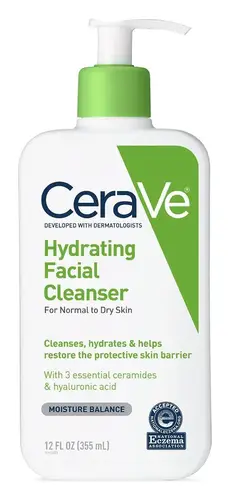
Shingmulnara White Rice Bright Cleansing Foam Versus The Face Shop Rice Water Bright Foaming Cleanser
This salicylic acid foaming cleanser is formulated around Salicylic Acid to clear breakouts and unclog pores.

What's inside
What's inside
 Key Ingredients
No key ingredients
Benefits
Concerns
Ingredients Side-by-side
Water
Skin ConditioningGlycerin
Humectant


Sodium Cocoyl Isethionate
Cleansing
Hydroxypropyl Starch Phosphate
Potassium Cocoyl Glycinate
Surfactant
1,2-Hexanediol
Skin Conditioning
Oryza Sativa Extract
Absorbent


Panthenol
Skin Conditioning
Parfum
Masking




Polyquaternium-67
Ethylhexylglycerin
Skin ConditioningSalicylic Acid
Masking







Disodium EDTA
ChelatingButylene Glycol
Humectant
Citric Acid
Buffering
Ficus Carica Fruit Extract
Humectant
Tromethamine
BufferingCitrus Junos Fruit Extract
Skin ConditioningOryza Sativa Bran Extract
Skin Conditioning
Hydrolyzed Rice Extract
Skin Conditioning
Daucus Carota Sativa Root Extract
Skin Conditioning
Hippophae Rhamnoides Fruit Extract
Skin Conditioning
Oryza Sativa Bran Water
Masking
Saccharomyces/Rice Bran Ferment
Humectant
Hydrolyzed Rice Protein
Skin ConditioningGlycine Soja Sprout Extract
EmollientOryza Sativa Germ Extract
EmollientPhaseolus Radiatus Sprout Extract
HumectantSesamum Indicum Sprout Extract
HumectantTriticum Vulgare Sprout Extract
Skin ConditioningWater, Glycerin, Sodium Cocoyl Isethionate, Hydroxypropyl Starch Phosphate, Potassium Cocoyl Glycinate, 1,2-Hexanediol, Oryza Sativa Extract, Panthenol, Parfum, Polyquaternium-67, Ethylhexylglycerin, Salicylic Acid, Disodium EDTA, Butylene Glycol, Citric Acid, Ficus Carica Fruit Extract, Tromethamine, Citrus Junos Fruit Extract, Oryza Sativa Bran Extract, Hydrolyzed Rice Extract, Daucus Carota Sativa Root Extract, Hippophae Rhamnoides Fruit Extract, Oryza Sativa Bran Water, Saccharomyces/Rice Bran Ferment, Hydrolyzed Rice Protein, Glycine Soja Sprout Extract, Oryza Sativa Germ Extract, Phaseolus Radiatus Sprout Extract, Sesamum Indicum Sprout Extract, Triticum Vulgare Sprout Extract
Water
Skin ConditioningMyristic Acid
Cleansing
Glycerin
Humectant
Potassium Hydroxide
BufferingStearic Acid
Cleansing
Glycol Distearate
Emollient
Lauric Acid
Cleansing
Cocamidopropyl Betaine
Cleansing
Cocamide Mea
Emulsifying
Disodium Cocoamphodiacetate
CleansingGlyceryl Stearate
Emollient
PEG-100 Stearate
Surfactant
Sodium Lauryl Sulfate
Cleansing
Oryza Sativa Extract
Absorbent
Saponaria Officinalis Leaf Extract
AntimicrobialOryza Sativa Bran Oil
Emollient
Titanium Dioxide
Cosmetic Colorant

Sodium Chloride
MaskingDivinyldimethicone/Dimethicone Copolymer

C12-13 Pareth-23
CleansingC12-13 Pareth-3
EmulsifyingHexylene Glycol
EmulsifyingDisodium EDTA
ChelatingCI 42090
Cosmetic ColorantCI 19140
Cosmetic ColorantCI 14700
Cosmetic ColorantHydroxypropyl Methylcellulose
Emulsion StabilisingParfum
Masking
Water, Myristic Acid, Glycerin, Potassium Hydroxide, Stearic Acid, Glycol Distearate, Lauric Acid, Cocamidopropyl Betaine, Cocamide Mea, Disodium Cocoamphodiacetate, Glyceryl Stearate, PEG-100 Stearate, Sodium Lauryl Sulfate, Oryza Sativa Extract, Saponaria Officinalis Leaf Extract, Oryza Sativa Bran Oil, Titanium Dioxide, Sodium Chloride, Divinyldimethicone/Dimethicone Copolymer, C12-13 Pareth-23, C12-13 Pareth-3, Hexylene Glycol, Disodium EDTA, CI 42090, CI 19140, CI 14700, Hydroxypropyl Methylcellulose, Parfum
Reviews
Ingredients Explained
These ingredients are found in both products.
Ingredients higher up in an ingredient list are typically present in a larger amount.
Disodium EDTA is a chelating agent. It grabs onto and deactivates metal ions that sneak into your products from water, packaging, or air.
This ingredient mainly works behind the scenes and helps with:
On top of that, this ingredient can counteract the effects of hard water by binding to the minerals in it.
One thing worth knowing is that Disodium EDTA has been shown to be a mild penetration enhancer. It can help other ingredients absorb into skin more effectively which can be a double-edged sword (great for actives, but can also make the active too strong if you have sensitive skin).
Clinical patch testing showed no significant skin irritation at typical use concentrations and minimal dermal absorption.
You'll most likely see this ingredient near the end of an ingredient list. It's typically found in concentrations less than 1%.
Learn more about Disodium EDTAGlycerin (or glycerol) is a compound naturally found in your skin. It's a powerhouse humectant that pulls water into the stratum corneum.
Topically, glycerin does several things at once:
Your skin makes glycerin on its own (mostly from sebaceous oil breakdown) and shuttles it to your outermost layer of skin, or your epidermis, via aquaporin-3.
Aquaporin-3 is a transporter that is essential for normal skin hydration, elasticity, and repair. Interestingly, mice lacking in AQP3 have dry and less elastic skin that can be fully corrected with glycerin.
This ingredient is non-irritating, plays well with almost every ingredient, and works across all skin types. Typical use is anywhere between 3-10% but can go up to 79% in some leave-on products.
Just know very high concentrations (>40%) can feel tacky in low humidity.
Glycerin is the name for this ingredient in American English. British English uses Glycerol/Glycerine.
Learn more about GlycerinOryza Sativa Extract comes from the rice grain, Oryza sativa. Rice extract has wound healing, antioxidant, anti-inflammatory, and hydrating properties.
Rice grains contain numerous antioxidants which may help with anti-aging, such as vitamin E. Antioxidants help stabilize free-radical molecules. Unstable free-radical molecules may damage your skin cells and accelerate signs of aging.
A study from 2002 found rice to help increase the rate of wound healing. The same study found an improvement of skin barrier function in the patients after taking rice baths.
Numerous in-vitro studies have found rice water to help decrease sun damage by increasing collagen production and inhibiting the process of tyrosinase.
Long story short- tyrosinase is an enzyme that controls melanin production. Our bodies start producing melanin (AKA tanning) when exposed to UV radiation to protect against damage. Rice water is found to partially block this process.
Though more research is needed on rice's ability to help with UV protection, recent studies seem promising.
Wondering why rice is hydrating? The protein in rice have emollient properties. Emollients create a barrier on the skin to trap moisture in, keeping your skin moisturized.
Some rice extract may have mildly-exfoliating properties. These are mainly limited to Oryza Sativa (Rice) Bran and Oryza Sativa (Rice) Germ Powder.
This rice was first cultivated in China over 10,000 years ago. Many cultures throughout Asia have used rice water on skin and hair for centuries.
Learn more about Oryza Sativa ExtractParfum is a catch-all term for an ingredient or more that is used to give a scent to products.
Also called "fragrance", this ingredient can be a blend of hundreds of chemicals or plant oils. This means every product with "fragrance" or "parfum" in the ingredients list is a different mixture.
For instance, Habanolide is a proprietary trade name for a specific aroma chemical. When used as a fragrance ingredient in cosmetics, most aroma chemicals fall under the broad labeling category of “FRAGRANCE” or “PARFUM” according to EU and US regulations.
The term 'parfum' or 'fragrance' is not regulated in many countries. In many cases, it is up to the brand to define this term.
For instance, many brands choose to label themselves as "fragrance-free" because they are not using synthetic fragrances. However, their products may still contain ingredients such as essential oils that are considered a fragrance by INCI standards.
One example is Calendula flower extract. Calendula is an essential oil that still imparts a scent or 'fragrance'.
Depending on the blend, the ingredients in the mixture can cause allergies and sensitivities on the skin. Some ingredients that are known EU allergens include linalool and citronellol.
Parfum can also be used to mask or cover an unpleasant scent.
The bottom line is: not all fragrances/parfum/ingredients are created equally. If you are worried about fragrances, we recommend taking a closer look at an ingredient. And of course, we always recommend speaking with a professional.
Learn more about ParfumWater. It's the most common cosmetic ingredient of all. You'll usually see it at the top of ingredient lists, meaning that it makes up the largest part of the product.
So why is it so popular? Water most often acts as a solvent - this means that it helps dissolve other ingredients into the formulation.
You'll also recognize water as that liquid we all need to stay alive. If you see this, drink a glass of water. Remember to stay hydrated!
Learn more about Water