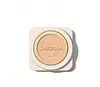
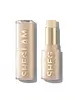
SHEGLAM Skin-Focus High Coverage Powder Foundation Versus SHEGLAM Skin Magnet High Coverage Foundation Stick

What's inside
What's inside
 Key Ingredients
Benefits
Concerns
Ingredients Side-by-side
Mica
Cosmetic ColorantSilica
Abrasive


Synthetic Wax
Abrasive
Synthetic Fluorphlogopite
Aluminum Starch Octenylsuccinate
Absorbent
Diphenyl Dimethicone/Vinyl Diphenyl Dimethicone/Silsesquioxane Crosspolymer

Diisostearyl Malate
EmollientCetyl Dimethicone
Emollient
Petrolatum
Emollient


Dimethicone
Emollient
Triethylhexanoin
MaskingBoron Nitride
Absorbent
Saccharomyces Ferment
Skin Conditioning

Triethoxycaprylylsilane
Phenoxyethanol
Preservative
Simmondsia Chinensis Seed Oil
Emollient
Butyrospermum Parkii Butter
Skin Conditioning

Methicone
Emollient
Hydrogen Dimethicone
Caprylyl Glycol
Emollient
Alumina
Abrasive
Tocopheryl Acetate
Antioxidant


Lauroyl Lysine
Skin Conditioning
CI 77891
Cosmetic ColorantCI 77492
Cosmetic ColorantCI 77491
Cosmetic ColorantCI 77499
Cosmetic ColorantMica, Silica, Synthetic Wax, Synthetic Fluorphlogopite, Aluminum Starch Octenylsuccinate, Diphenyl Dimethicone/Vinyl Diphenyl Dimethicone/Silsesquioxane Crosspolymer, Diisostearyl Malate, Cetyl Dimethicone, Petrolatum, Dimethicone, Triethylhexanoin, Boron Nitride, Saccharomyces Ferment, Triethoxycaprylylsilane, Phenoxyethanol, Simmondsia Chinensis Seed Oil, Butyrospermum Parkii Butter, Methicone, Hydrogen Dimethicone, Caprylyl Glycol, Alumina, Tocopheryl Acetate, Lauroyl Lysine, CI 77891, CI 77492, CI 77491, CI 77499
Phenyl Trimethicone
Skin Conditioning
Silica
Abrasive
Synthetic Wax
Abrasive
Dimethicone
Emollient
Isohexadecane
EmollientDibutyl Adipate
EmollientPropylheptyl Caprylate
EmollientCaprylic/Capric Triglyceride
Masking
Hydrogenated Polydecene
EmollientHydrogenated Styrene/Methylstyrene/Indene Copolymer
Caprylyl Methicone
Skin Conditioning
Polymethylsilsesquioxane
Polyglyceryl-3 Polydimethylsiloxyethyl Dimethicone
Skin Conditioning
Synthetic Fluorphlogopite
Paraffin
Skin Conditioning
Caprylic/Capric/Myristic/Stearic Triglyceride
EmollientDisodium Stearoyl Glutamate
CleansingAluminum Hydroxide
EmollientAcrylates/Stearyl Acrylate/Dimethicone Methacrylate Copolymer
Diisostearyl Malate
EmollientDiphenyl Dimethicone
Emollient
Polyhydroxystearic Acid
Emulsifying
Citrus Aurantium Bergamia Fruit Oil
Masking

Cedrus Atlantica Bark Extract
Perfuming
Illicium Verum Fruit/Seed Oil
Masking
Caprylyl Glycol
Emollient
Glyceryl Caprylate
EmollientTocopherol
Antioxidant


Titanium Dioxide
Cosmetic Colorant

CI 77491
Cosmetic ColorantCI 77492
Cosmetic ColorantIron Oxides
Phenyl Trimethicone, Silica, Synthetic Wax, Dimethicone, Isohexadecane, Dibutyl Adipate, Propylheptyl Caprylate, Caprylic/Capric Triglyceride, Hydrogenated Polydecene, Hydrogenated Styrene/Methylstyrene/Indene Copolymer, Caprylyl Methicone, Polymethylsilsesquioxane, Polyglyceryl-3 Polydimethylsiloxyethyl Dimethicone, Synthetic Fluorphlogopite, Paraffin, Caprylic/Capric/Myristic/Stearic Triglyceride, Disodium Stearoyl Glutamate, Aluminum Hydroxide, Acrylates/Stearyl Acrylate/Dimethicone Methacrylate Copolymer, Diisostearyl Malate, Diphenyl Dimethicone, Polyhydroxystearic Acid, Citrus Aurantium Bergamia Fruit Oil, Cedrus Atlantica Bark Extract, Illicium Verum Fruit/Seed Oil, Caprylyl Glycol, Glyceryl Caprylate, Tocopherol, Titanium Dioxide, CI 77491, CI 77492, Iron Oxides
Ingredients Explained
These ingredients are found in both products.
Ingredients higher up in an ingredient list are typically present in a larger amount.
Caprylyl Glycol is a humectant, skin conditioner, emollient, and preservative booster derived from either caprylic acid or synthetically created.
Typical use levels vary from 0.3-1% as a preservative booster and go up to 2% to condition skin.
Because it is not a free-fatty acid, this ingredient is fungal acne safe (there's nothing for Malassezia to feed on).
Learn more about Caprylyl GlycolCi 77491 is also hydrated iron III oxide. It's sole purpose is to give a red/pink hue to products.
Iron III oxides are classified as inorganic chemicals for coloring.
Synthetically created Ci 77491 is considered safer than those naturally found. This is because the synthetically created version may contain less impurities. Iron oxides are generally non-toxic and non-allergenic.
Learn more about CI 77491CI 77492 is also hydrated iron III oxide. It's sole purpose is to give a yellow hue to products.
Iron III oxides are classified as inorganic chemicals for coloring.
Synthetically created CI 77492 is considered safer than those naturally found. This is because the synthetically created version may contain less impurities. Iron oxides are generally non-toxic and non-allergenic.
Learn more about CI 77492Diisostearyl Malate is an emollient and most often used in lip products. It comes from isostearyl alcohol, a fatty acid, and malic acid, an AHA.
As an emollient, Diisostearyl Malate helps create a thin film on your skin to trap moisture in. This helps keep your skin soft and smooth.
Dimethicone is a type of synthetic silicone created from natural materials such as quartz. It is also known as polydimethylsiloxane.
What it does:
Dimethicone comes in different viscosities:
Depending on the viscosity, dimethicone has different properties.
Ingredients lists don't always show which type is used, so we recommend reaching out to the brand if you have questions about the viscosity.
This ingredient is unlikely to cause irritation because it does not get absorbed into skin. However, people with silicone allergies should be careful about using this ingredient.
Note: Dimethicone may contribute to pilling. This is because it is not oil or water soluble, so pilling may occur when layered with products. When mixed with heavy oils in a formula, the outcome is also quite greasy.
Learn more about DimethiconeSilica, also known as silicon dioxide, is a naturally occurring mineral. It is used as a fine, spherical, and porous powder in cosmetics.
Though it has exfoliant properties, the function of silica varies depending on the product.
The unique structure of silica enhances the spreadability and adds smoothness, making it a great texture enhancer.
It is also used as an active carrier, emulsifier, and mattifier due to its ability to absorb excess oil.
In some products, tiny microneedles called spicules are made from silica or hydrolyzed sponge. When you rub them in, they lightly polish away dead skin layers and enhance the penetration of active ingredients.
Learn more about SilicaSynthetic Fluorphlogopite is the synthethic version of mica. It consists of fluorine, aluminum and silicate.
Synthetic Fluorphlogopite is used to add volume to products.
It is considered non-irritating on the skin.
Learn more about Synthetic FluorphlogopiteSynthetic Wax is a manufactured hydrocarbon wax. In formulas, it works as an occlusive emollient that helps reduce water loss and improves the spreadability of products.
Research comparing synthetic wax to traditional mineral-derived products found that formulas containing it perform as well for skin hydration.
It is considered non-comedogenic and vegan-friendly.
This ingredient has a well-established safety record by the CIR Expert Panel for Cosmetic Ingredient Safety.
Synthetic Waxes are straight/branched-chain hydrocarbons with no ester bond or fatty acids. That means there is nothing for the Malassezia yeast to feed on.
Learn more about Synthetic Wax

