

What's inside
What's inside
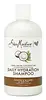 Key Ingredients
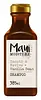
No key ingredients
Benefits
Concerns
Ingredients Side-by-side
Water
Skin ConditioningDecyl Glucoside
Cleansing
Cocamidopropyl Betaine
Cleansing


Sodium Lauroyl Lactylate
EmulsifyingGlycol Stearate
Emollient
Glycol Distearate
Emollient
Sodium Cocoyl Isethionate
Cleansing
Sodium Methyl Cocoyl Taurate
Cleansing
Glycerin
Humectant


Cocos Nucifera Oil
Masking



Caprylic/Capric Triglyceride
Masking
Butyrospermum Parkii Butter
Skin Conditioning
Aloe Barbadensis Leaf Juice
Skin Conditioning

Panthenol
Skin Conditioning
Algae Extract
EmollientEquisetum Arvense Extract
AstringentTocopherol
Antioxidant




Rosa Canina Fruit Oil
Emollient
Argania Spinosa Kernel Oil
Emollient
Coconut Acid
Cleansing
Prunus Amygdalus Dulcis Oil
Skin Conditioning
Acacia Senegal Gum Extract
Cocos Nucifera Fruit Extract
Emollient
Cocos Nucifera Fruit Juice
Emollient
Caprylhydroxamic Acid
Caprylyl Glycol
Emollient
Guar Hydroxypropyltrimonium Chloride
Skin ConditioningSodium Benzoate
Masking
Polyquaternium-7
Sodium Phytate
Stearamide Amp
Parfum
Masking
Water, Decyl Glucoside, Cocamidopropyl Betaine, Sodium Lauroyl Lactylate, Glycol Stearate, Glycol Distearate, Sodium Cocoyl Isethionate, Sodium Methyl Cocoyl Taurate, Glycerin, Cocos Nucifera Oil, Caprylic/Capric Triglyceride, Butyrospermum Parkii Butter, Aloe Barbadensis Leaf Juice, Panthenol, Algae Extract, Equisetum Arvense Extract, Tocopherol, Rosa Canina Fruit Oil, Argania Spinosa Kernel Oil, Coconut Acid, Prunus Amygdalus Dulcis Oil, Acacia Senegal Gum Extract, Cocos Nucifera Fruit Extract, Cocos Nucifera Fruit Juice, Caprylhydroxamic Acid, Caprylyl Glycol, Guar Hydroxypropyltrimonium Chloride, Sodium Benzoate, Polyquaternium-7, Sodium Phytate, Stearamide Amp, Parfum
Aloe Barbadensis Leaf
Masking
Water
Skin ConditioningSodium C14-16 Olefin Sulfonate
Cleansing
Cocamidopropyl Betaine
Cleansing
Glycol Distearate
Emollient
PPG-2 Hydroxyethyl Coco/Isostearamide
Surfactant
Cocos Nucifera Water
Masking
Vanilla Planifolia Fruit Extract
Skin Conditioning
Aleurites Moluccanus Seed Oil
Skin Conditioning
Theobroma Cacao Seed Butter
Emollient
Polyquaternium-6
Polyquaternium-10
Sodium Cocoyl Isethionate
Cleansing
Cocamidopropyl Hydroxysultaine
Cleansing
PEG-120 Methyl Glucose Dioleate
Emulsifying
Guar Hydroxypropyltrimonium Chloride
Skin ConditioningMethyl Gluceth-10
EmulsifyingGlycerin
Humectant
Tapioca Starch
Sodium Chloride
MaskingPropylene Glycol
Humectant
Diazolidinyl Urea
Preservative
Iodopropynyl Butylcarbamate
Preservative
Parfum
Masking
Aloe Barbadensis Leaf, Water, Sodium C14-16 Olefin Sulfonate, Cocamidopropyl Betaine, Glycol Distearate, PPG-2 Hydroxyethyl Coco/Isostearamide, Cocos Nucifera Water, Vanilla Planifolia Fruit Extract, Aleurites Moluccanus Seed Oil, Theobroma Cacao Seed Butter, Polyquaternium-6, Polyquaternium-10, Sodium Cocoyl Isethionate, Cocamidopropyl Hydroxysultaine, PEG-120 Methyl Glucose Dioleate, Guar Hydroxypropyltrimonium Chloride, Methyl Gluceth-10, Glycerin, Tapioca Starch, Sodium Chloride, Propylene Glycol, Diazolidinyl Urea, Iodopropynyl Butylcarbamate, Parfum
Ingredients Explained
These ingredients are found in both products.
Ingredients higher up in an ingredient list are typically present in a larger amount.
Cocamidopropyl Betaine is a fatty acid created by mixing similar compounds in coconut oil and dimethylaminopropylamine, a compound with two amino groups.
This ingredient is a surfactant and cleanser. It helps gather the dirt, pollutants, and other impurities in your skin to be washed away. It also helps thicken a product and make the texture more creamy.
Being created from coconut oil means Cocamidopropyl Betaine is hydrating for the skin.
While Cocamidopropyl Betaine was believed to be an allergen, a study from 2012 disproved this. It found two compounds in unpure Cocamidopropyl Betaine to be the irritants: aminoamide and 3-dimethylaminopropylamine. High-grade and pure Cocamidopropyl Betaine did not induce allergic reactions during this study.
Learn more about Cocamidopropyl BetaineGlycerin (or glycerol) is a compound naturally found in your skin. It's a powerhouse humectant that pulls water into the stratum corneum.
Topically, glycerin does several things at once:
Your skin makes glycerin on its own (mostly from sebaceous oil breakdown) and shuttles it to your outermost layer of skin, or your epidermis, via aquaporin-3.
Aquaporin-3 is a transporter that is essential for normal skin hydration, elasticity, and repair. Interestingly, mice lacking in AQP3 have dry and less elastic skin that can be fully corrected with glycerin.
This ingredient is non-irritating, plays well with almost every ingredient, and works across all skin types. Typical use is anywhere between 3-10% but can go up to 79% in some leave-on products.
Just know very high concentrations (>40%) can feel tacky in low humidity.
Glycerin is the name for this ingredient in American English. British English uses Glycerol/Glycerine.
Learn more about GlycerinGlycol Distearate is an emulsifier and emollient that adds a "pearly" appearance to formulations.
That lustrous look you see in many shampoos is due to this ingredient: when cooled, it crystallizes into small platelets that reflect light to give products that rich, shimmering look.
This ingredient is considered safe at present practices of use and concentration and repeated insult patch test with 50% Glycol Distearate on 125 subjects found no evidence of skin irritation, hypersensitivity, or acute toxicity.
Typical use concentrations range from 0.1-10%.
Because it's an ester of stearic acid, it falls into the range that Malassezia likes to metabolize. This ingredient may not be fungal acne safe.
Learn more about Glycol DistearateThis ingredient is derived from guar gum. It is a skin conditioning agent that creates a thin, breathable film to reduce water loss during cleansing.
This leaves the skin feeling soft rather than stripped and also contributes to a creamier lather.
Due to the large molecule size, this ingredient is unlikely to penetrate skin.
Learn more about Guar Hydroxypropyltrimonium ChlorideParfum is a catch-all term for an ingredient or more that is used to give a scent to products.
Also called "fragrance", this ingredient can be a blend of hundreds of chemicals or plant oils. This means every product with "fragrance" or "parfum" in the ingredients list is a different mixture.
For instance, Habanolide is a proprietary trade name for a specific aroma chemical. When used as a fragrance ingredient in cosmetics, most aroma chemicals fall under the broad labeling category of “FRAGRANCE” or “PARFUM” according to EU and US regulations.
The term 'parfum' or 'fragrance' is not regulated in many countries. In many cases, it is up to the brand to define this term.
For instance, many brands choose to label themselves as "fragrance-free" because they are not using synthetic fragrances. However, their products may still contain ingredients such as essential oils that are considered a fragrance by INCI standards.
One example is Calendula flower extract. Calendula is an essential oil that still imparts a scent or 'fragrance'.
Depending on the blend, the ingredients in the mixture can cause allergies and sensitivities on the skin. Some ingredients that are known EU allergens include linalool and citronellol.
Parfum can also be used to mask or cover an unpleasant scent.
The bottom line is: not all fragrances/parfum/ingredients are created equally. If you are worried about fragrances, we recommend taking a closer look at an ingredient. And of course, we always recommend speaking with a professional.
Learn more about ParfumSodium cocoyl isethionate is a natural ingredient from coconut oil. It is an ultra gentle cleanser that gives a nice foam without drying the skin or impacting the skin barrier.
The amount of foam created depends on the amount of sodium cocoyl isethionate used in the product.
This ingredient also helps improve the spreadability of a product.
This ingredient hasn’t been shown in studies to feed fungal acne yeast.
Learn more about Sodium Cocoyl IsethionateWater. It's the most common cosmetic ingredient of all. You'll usually see it at the top of ingredient lists, meaning that it makes up the largest part of the product.
So why is it so popular? Water most often acts as a solvent - this means that it helps dissolve other ingredients into the formulation.
You'll also recognize water as that liquid we all need to stay alive. If you see this, drink a glass of water. Remember to stay hydrated!
Learn more about Water

