
What's inside
What's inside
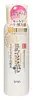 Key Ingredients
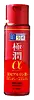
Benefits
Concerns
Ingredients Side-by-side
Water
Skin ConditioningButylene Glycol
Humectant

Glycerin
Humectant
Methyl Gluceth-10
EmulsifyingMilk Ferment
Skin ConditioningGlycine Max Seed Extract
Skin ConditioningSoy Protein Phthalate
EmollientRetinol
Skin Conditioning








Soy Isoflavones
Skin ConditioningRetinyl Palmitate
Skin Conditioning
Ceramide Ng
Skin Conditioning

Styrene/Acrylates Copolymer
PEG-20 Hydrogenated Castor Oil
Emulsifying
PEG-60 Hydrogenated Castor Oil
Emulsifying
Sorbitan Isostearate
Emulsifying
Alcohol Denat.
Antimicrobial



Glyceryl Caprylate
EmollientCarbomer
Emulsion StabilisingXanthan Gum
EmulsifyingGlycosyl Trehalose
Emulsion StabilisingCyclodextrin
AbsorbentCeramide AP
Skin Conditioning
Ceramide NP
Skin Conditioning
PEG-5 Soy Sterol
EmulsifyingGlyceryl Caprylate/Caprate
EmollientTrilaureth-4 Phosphate
EmulsifyingPullulan
Polyquaternium-51
Skin Conditioning
Polysorbate 20
Emulsifying
Polysorbate 80
Emulsifying
Lecithin
Emollient
Hydrolyzed Starch
HumectantSodium Hydroxide
BufferingHydrogenated Lecithin
Emulsifying
Phenoxyethanol
Preservative
Methylparaben
Preservative

Water, Butylene Glycol, Glycerin, Methyl Gluceth-10, Milk Ferment, Glycine Max Seed Extract, Soy Protein Phthalate, Retinol, Soy Isoflavones, Retinyl Palmitate, Ceramide Ng, Styrene/Acrylates Copolymer, PEG-20 Hydrogenated Castor Oil, PEG-60 Hydrogenated Castor Oil, Sorbitan Isostearate, Alcohol Denat., Glyceryl Caprylate, Carbomer, Xanthan Gum, Glycosyl Trehalose, Cyclodextrin, Ceramide AP, Ceramide NP, PEG-5 Soy Sterol, Glyceryl Caprylate/Caprate, Trilaureth-4 Phosphate, Pullulan, Polyquaternium-51, Polysorbate 20, Polysorbate 80, Lecithin, Hydrolyzed Starch, Sodium Hydroxide, Hydrogenated Lecithin, Phenoxyethanol, Methylparaben
Water
Skin ConditioningButylene Glycol
Humectant
Glycerin
Humectant
Sodium Hyaluronate Crosspolymer
Humectant
Sodium Hyaluronate
Humectant
Hydrolyzed Hyaluronic Acid
Humectant
Hydrolyzed Elastin
EmollientTetrapeptide-5
Skin Conditioning
Hydrolyzed Collagen
Emollient
Lactobacillus
Skin ConditioningPhytosteryl Macadamiate
Skin Conditioning
Phytosteryl/Behenyl/Octyldodecyl Lauroyl Glutamate
Skin ConditioningSqualane
Emollient
Diglycerin
Humectant
Pullulan
Limnanthes Alba Seed Oil
Skin Conditioning
Pentylene Glycol
Skin Conditioning
Polyquaternium-51
Skin Conditioning
Isohexadecane
EmollientXanthan Gum
EmulsifyingCarbomer
Emulsion StabilisingCaprylic/Capric Triglyceride
Masking
PPG-10 Methyl Glucose Ether
Skin ConditioningPolyacrylate Crosspolymer-11
Emulsion StabilisingHydroxyethyl/Methoxyethyl Acrylate Copolymer
Polysorbate 60
Emulsifying
Ammonium Acrylates Copolymer
PEG-20 Sorbitan Isostearate
Emulsifying
Triethanolamine
BufferingDisodium EDTA
Methylparaben
Preservative
Water, Butylene Glycol, Glycerin, Sodium Hyaluronate Crosspolymer, Sodium Hyaluronate, Hydrolyzed Hyaluronic Acid, Hydrolyzed Elastin, Tetrapeptide-5, Hydrolyzed Collagen, Lactobacillus, Phytosteryl Macadamiate, Phytosteryl/Behenyl/Octyldodecyl Lauroyl Glutamate, Squalane, Diglycerin, Pullulan, Limnanthes Alba Seed Oil, Pentylene Glycol, Polyquaternium-51, Isohexadecane, Xanthan Gum, Carbomer, Caprylic/Capric Triglyceride, PPG-10 Methyl Glucose Ether, Polyacrylate Crosspolymer-11, Hydroxyethyl/Methoxyethyl Acrylate Copolymer, Polysorbate 60, Ammonium Acrylates Copolymer, PEG-20 Sorbitan Isostearate, Triethanolamine, Disodium EDTA, Methylparaben
Ingredients Explained
These ingredients are found in both products.
Ingredients higher up in an ingredient list are typically present in a larger amount.
Butylene Glycol (or BG) is used within cosmetic products for a few different reasons:
Overall, Butylene Glycol is a safe and well-rounded ingredient that works well with other ingredients.
Though this ingredient works well with most skin types, some people with sensitive skin may experience a reaction such as allergic rashes, closed comedones, or itchiness.
Learn more about Butylene GlycolCarbomer is a high-molecular weight polymer of acrylic acid. It is used to form gels and thicken formulas.
Due to its large molecular size, carbomer has minimal skin penetration and is considered an inert ingredient.
A high amount of carbomer can cause pilling or balling up of products. Don't worry, most products contain 1% or less of carbomer.
Learn more about CarbomerGlycerin (or glycerol) is a compound naturally found in your skin. It's a powerhouse humectant that pulls water into the stratum corneum.
Topically, glycerin does several things at once:
Your skin makes glycerin on its own (mostly from sebaceous oil breakdown) and shuttles it to your outermost layer of skin, or your epidermis, via aquaporin-3.
Aquaporin-3 is a transporter that is essential for normal skin hydration, elasticity, and repair. Interestingly, mice lacking in AQP3 have dry and less elastic skin that can be fully corrected with glycerin.
This ingredient is non-irritating, plays well with almost every ingredient, and works across all skin types. Typical use is anywhere between 3-10% but can go up to 79% in some leave-on products.
Just know very high concentrations (>40%) can feel tacky in low humidity.
Glycerin is the name for this ingredient in American English. British English uses Glycerol/Glycerine.
Learn more about GlycerinMethylparaben is a preservative and is a paraben. It is used to prevent the growth of fungus, mold, and other harmful bacteria. Parabens are chemicals used as preservatives in both cosmetics and food.
Methylparaben can be synthetically created. It can also be found naturally in some fruits, such as blueberries.
Oftentimes, Methylparaben is combined with other parabens to help increase the shelf life.
The safety of Methylparaben is currently being studied. While ongoing studies are looking into the safety of parabens, the results have been very mixed. Some studies have not found Methylparaben to be harmful.
Learn more about MethylparabenPolyquaternium-51 is a polymer salt. It helps hydrate the skin by creating a film on top. This film traps moisture in, keeping your skin soft and hydrated.
Pullulan is a low viscosity polysaccharide (a long chain carbohydrate) with binding and film forming properties when dissolved in water. It is used to create a "silicone-like" or silky feel in cosmetics without adding viscosity.
According to a manufacturer, this ingredient's ability to easily dissolves makes it a great carrier for active ingredients.
Due to it being edible and tasteless, you'll likely find this ingredient in breath freshener strips. This ingredient is produced from the starch of the fungus, Aureobasidium pullulans.
Pullulan is stable over a broad-range of pH.
Learn more about PullulanWater. It's the most common cosmetic ingredient of all. You'll usually see it at the top of ingredient lists, meaning that it makes up the largest part of the product.
So why is it so popular? Water most often acts as a solvent - this means that it helps dissolve other ingredients into the formulation.
You'll also recognize water as that liquid we all need to stay alive. If you see this, drink a glass of water. Remember to stay hydrated!
Learn more about WaterXanthan gum is used as a stabilizer and thickener within cosmetic products. It helps give products a sticky, thick feeling - preventing them from being too runny.
On the technical side of things, xanthan gum is a polysaccharide - a combination consisting of multiple sugar molecules bonded together.
Xanthan gum is a pretty common and great ingredient. It is a natural, non-toxic, non-irritating ingredient that is also commonly used in food products.
Learn more about Xanthan Gum
