
What's inside
What's inside
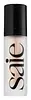 Key Ingredients
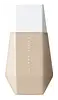
Benefits
Concerns
Ingredients Side-by-side
Water
Skin ConditioningCaprylic/Capric Triglyceride
Masking


Propanediol
Solvent
Glycerin
Humectant
Mica
Cosmetic ColorantHydroxyethyl Acrylate/Sodium Acryloyldimethyl Taurate Copolymer
Emulsion StabilisingSqualane
Emollient
Caprylyl Glycol
Emollient
Phenethyl Alcohol
MaskingEthylhexylglycerin
Skin ConditioningPolysorbate 60
Emulsifying
Ascorbyl Tetraisopalmitate
Antioxidant


Carica Papaya Seed Oil
Humectant
Rosa Canina Fruit Oil
Emollient
Lactic Acid
Buffering






CI 77891
Cosmetic ColorantCI 77491
Cosmetic ColorantWater, Caprylic/Capric Triglyceride, Propanediol, Glycerin, Mica, Hydroxyethyl Acrylate/Sodium Acryloyldimethyl Taurate Copolymer, Squalane, Caprylyl Glycol, Phenethyl Alcohol, Ethylhexylglycerin, Polysorbate 60, Ascorbyl Tetraisopalmitate, Carica Papaya Seed Oil, Rosa Canina Fruit Oil, Lactic Acid, CI 77891, CI 77491
Water
Skin ConditioningDimethicone
Emollient
Talc
Abrasive
Dicaprylyl Carbonate
EmollientIsostearyl Neopentanoate
Emollient
PEG-10 Dimethicone
Skin Conditioning
Dimethicone/Vinyl Dimethicone Crosspolymer
Skin Conditioning
Glycerin
Humectant
Trimethylsiloxysilicate
Emollient
Isododecane
EmollientBis-PEG/PPG-14/14 Dimethicone
Emollient
Phenoxyethanol
Preservative
Sodium Chloride
MaskingDimethicone Crosspolymer
Emulsion Stabilising
Magnesium Sulfate
Hydrogen Dimethicone
Sodium Dehydroacetate
Preservative
Trehalose
Humectant
Urea
Buffering
Potassium Sorbate
Preservative
Silica
Abrasive
Disteardimonium Hectorite
StabilisingAluminum Hydroxide
EmollientBenzoic Acid
Masking
Sodium Hyaluronate
Humectant

C24-28 Alkyl Methicone
Emollient
Pentylene Glycol
Skin Conditioning
Serine
Masking
Dehydroacetic Acid
Preservative
Propylene Carbonate
SolventEthylhexylglycerin
Skin ConditioningAlgin
Masking
Caprylyl Glycol
Emollient
Disodium Phosphate
BufferingGlyceryl Polyacrylate
Pullulan
Tocopherol
Antioxidant
Potassium Phosphate
BufferingIron Oxides
CI 77891
Cosmetic ColorantWater, Dimethicone, Talc, Dicaprylyl Carbonate, Isostearyl Neopentanoate, PEG-10 Dimethicone, Dimethicone/Vinyl Dimethicone Crosspolymer, Glycerin, Trimethylsiloxysilicate, Isododecane, Bis-PEG/PPG-14/14 Dimethicone, Phenoxyethanol, Sodium Chloride, Dimethicone Crosspolymer, Magnesium Sulfate, Hydrogen Dimethicone, Sodium Dehydroacetate, Trehalose, Urea, Potassium Sorbate, Silica, Disteardimonium Hectorite, Aluminum Hydroxide, Benzoic Acid, Sodium Hyaluronate, C24-28 Alkyl Methicone, Pentylene Glycol, Serine, Dehydroacetic Acid, Propylene Carbonate, Ethylhexylglycerin, Algin, Caprylyl Glycol, Disodium Phosphate, Glyceryl Polyacrylate, Pullulan, Tocopherol, Potassium Phosphate, Iron Oxides, CI 77891
Reviews
Ingredients Explained
These ingredients are found in both products.
Ingredients higher up in an ingredient list are typically present in a larger amount.
Caprylyl Glycol is a humectant, skin conditioner, emollient, and preservative booster derived from either caprylic acid or synthetically created.
Typical use levels vary from 0.3-1% as a preservative booster and go up to 2% to condition skin.
Because it is not a free-fatty acid, this ingredient is fungal acne safe (there's nothing for Malassezia to feed on).
Learn more about Caprylyl GlycolCi 77891 is a white pigment from Titanium dioxide. It is naturally found in minerals such as rutile and ilmenite.
It's main function is to add a white color to cosmetics. It can also be mixed with other colors to create different shades.
Ci 77891 is commonly found in sunscreens due to its ability to block UV rays.
Learn more about CI 77891Ethylhexylglycerin is created from glycerin. It is a multitasker ingredient that:
The CIR Expert Panel found minimal skin absorption or sensitization of any kind in a safety assessment. Though this ingredient is considered well-tolerated, a small number of cases of allergic dermatitis have been published since 2002. Just be sure to patch test if you are unsure.
Industry-reported use ranges from 8% in rinse-off products and 2% in leave-on formulations.
Learn more about EthylhexylglycerinGlycerin (or glycerol) is a compound naturally found in your skin. It's a powerhouse humectant that pulls water into the stratum corneum.
Topically, glycerin does several things at once:
Your skin makes glycerin on its own (mostly from sebaceous oil breakdown) and shuttles it to your outermost layer of skin, or your epidermis, via aquaporin-3.
Aquaporin-3 is a transporter that is essential for normal skin hydration, elasticity, and repair. Interestingly, mice lacking in AQP3 have dry and less elastic skin that can be fully corrected with glycerin.
This ingredient is non-irritating, plays well with almost every ingredient, and works across all skin types. Typical use is anywhere between 3-10% but can go up to 79% in some leave-on products.
Just know very high concentrations (>40%) can feel tacky in low humidity.
Glycerin is the name for this ingredient in American English. British English uses Glycerol/Glycerine.
Learn more about GlycerinWater. It's the most common cosmetic ingredient of all. You'll usually see it at the top of ingredient lists, meaning that it makes up the largest part of the product.
So why is it so popular? Water most often acts as a solvent - this means that it helps dissolve other ingredients into the formulation.
You'll also recognize water as that liquid we all need to stay alive. If you see this, drink a glass of water. Remember to stay hydrated!
Learn more about Water
