Safi Perfect White Acne Care Brightening Acne Gel Moisturiser Versus Facetology Triple Care 10% Panthenol Barrier Boost Gel
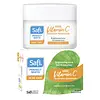
This acne moisturizer is formulated around Niacinamide and Salicylic Acid to clear breakouts and brighten dull-looking skin.
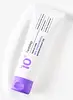
This barrier-repair moisturizer is formulated around Panthenol and Ceramide EOP to strengthen the skin barrier and calm redness.


What's inside
What's inside
 Key Ingredients
Benefits
Concerns
Ingredients Side-by-side
Water
Skin ConditioningPropanediol
Solvent

Niacinamide
Smoothing










Betaine
Humectant
Glycerin
Humectant
Biosaccharide Gum-1
Humectant
Dimethicone
Emollient
Cyclopentasiloxane
Emollient
Carbomer
Emulsion StabilisingCyclohexasiloxane
Emollient
Bisabolol
Antioxidant
Aminomethyl Propanol
BufferingSodium Polyacrylate
Absorbent
Xanthan Gum
EmulsifyingEthylhexylglycerin
Skin ConditioningDisodium EDTA
ChelatingSodium Hyaluronate
Humectant
Trideceth-6
EmulsifyingPEG/PPG-18/18 Dimethicone
Emulsifying
Butylene Glycol
Humectant
Zingiber Officinale Root Extract
Masking
Salicylic Acid
Masking





Houttuynia Cordata Water
MaskingWater, Propanediol, Niacinamide, Betaine, Glycerin, Biosaccharide Gum-1, Dimethicone, Cyclopentasiloxane, Carbomer, Cyclohexasiloxane, Bisabolol, Aminomethyl Propanol, Sodium Polyacrylate, Xanthan Gum, Ethylhexylglycerin, Disodium EDTA, Sodium Hyaluronate, Trideceth-6, PEG/PPG-18/18 Dimethicone, Butylene Glycol, Zingiber Officinale Root Extract, Salicylic Acid, Houttuynia Cordata Water
Water
Skin ConditioningPanthenol
Skin Conditioning
Cyclopentasiloxane
Emollient
Trehalose
Humectant
Neopentyl Glycol Diheptanoate
EmollientButylene Glycol
Humectant
PEG/PPG-14/7 Dimethyl Ether
Skin ConditioningCodium Tomentosum Extract
Skin ProtectingAlumina
Abrasive
Laminaria Digitata Extract
Skin Protecting
Glycerin
Humectant
Phenoxyethanol
Preservative
Polymethylsilsesquioxane
Octyldodecanol
Emollient
Maris Aqua
HumectantCeramide EOP
Skin Conditioning
Ceramide Ns
Skin Conditioning
Ceramide NP
Skin Conditioning
Ceramide As
Skin Conditioning
Ceramide AP
Skin Conditioning
Hydroxyethyl Acrylate/Sodium Acryloyldimethyl Taurate Copolymer
Emulsion StabilisingPolyacrylamide
Allantoin
Skin Conditioning
Laureth-7
EmulsifyingOctyldodecyl Xyloside
EmulsifyingC13-14 Isoparaffin
Emollient
PEG-30 Dipolyhydroxystearate
Emulsifying
BHT
Antioxidant
Disodium EDTA
ChelatingEthylhexylglycerin
Skin ConditioningPentylene Glycol
Skin Conditioning
Polysorbate 60
Emulsifying
Sorbitan Isostearate
Emulsifying
Citric Acid
Buffering
1,2-Hexanediol
Skin Conditioning
Hydrogenated Lecithin
Emulsifying
Cetyl-Pg Hydroxyethyl Palmitamide
Skin ConditioningCholesterol
Emollient
Water, Panthenol, Cyclopentasiloxane, Trehalose, Neopentyl Glycol Diheptanoate, Butylene Glycol, PEG/PPG-14/7 Dimethyl Ether, Codium Tomentosum Extract, Alumina, Laminaria Digitata Extract, Glycerin, Phenoxyethanol, Polymethylsilsesquioxane, Octyldodecanol, Maris Aqua, Ceramide EOP, Ceramide Ns, Ceramide NP, Ceramide As, Ceramide AP, Hydroxyethyl Acrylate/Sodium Acryloyldimethyl Taurate Copolymer, Polyacrylamide, Allantoin, Laureth-7, Octyldodecyl Xyloside, C13-14 Isoparaffin, PEG-30 Dipolyhydroxystearate, BHT, Disodium EDTA, Ethylhexylglycerin, Pentylene Glycol, Polysorbate 60, Sorbitan Isostearate, Citric Acid, 1,2-Hexanediol, Hydrogenated Lecithin, Cetyl-Pg Hydroxyethyl Palmitamide, Cholesterol
Reviews
Ingredients Explained
These ingredients are found in both products.
Ingredients higher up in an ingredient list are typically present in a larger amount.
Butylene Glycol (or BG) is used within cosmetic products for a few different reasons:
Overall, Butylene Glycol is a safe and well-rounded ingredient that works well with other ingredients.
Though this ingredient works well with most skin types, some people with sensitive skin may experience a reaction such as allergic rashes, closed comedones, or itchiness.
Learn more about Butylene GlycolCyclopentasiloxane (D5) is a lightweight silicone that mostly acts as an emollient and solvent in cosmetics. Its the reason your products feel silky, fast-spreading, and non-greasy.
Since D5 is volatile, it does its thing and then evaporates off the skin quickly.
The safety profile of this ingredient is reassuring; the US CIR Expert Panel concluded D5 is safe as used in cosmetics and Health Canada concluded that D5 is not harmful to human health or the environment as currently used in cosmetics
There's a study that people mention about D5 in a rat study showing tumors. This study is related to long-term inhalation of high D5 levels.
Regulatory bodies have judged this study to be not applicable in topical skincare since skin absorption of D5 is very low and we're not really inhaling huge amounts of D5.
The only restriction for this ingredient is environmental. The European Chemicals Agency (ECHA) restricted D5 in wash-off cosmetics at or above 0.1% due to their persistence in water.
Learn more about CyclopentasiloxaneDisodium EDTA is a chelating agent. It grabs onto and deactivates metal ions that sneak into your products from water, packaging, or air.
This ingredient mainly works behind the scenes and helps with:
On top of that, this ingredient can counteract the effects of hard water by binding to the minerals in it.
One thing worth knowing is that Disodium EDTA has been shown to be a mild penetration enhancer. It can help other ingredients absorb into skin more effectively which can be a double-edged sword (great for actives, but can also make the active too strong if you have sensitive skin).
Clinical patch testing showed no significant skin irritation at typical use concentrations and minimal dermal absorption.
You'll most likely see this ingredient near the end of an ingredient list. It's typically found in concentrations less than 1%.
Learn more about Disodium EDTAEthylhexylglycerin is created from glycerin. It is a multitasker ingredient that:
The CIR Expert Panel found minimal skin absorption or sensitization of any kind in a safety assessment. Though this ingredient is considered well-tolerated, a small number of cases of allergic dermatitis have been published since 2002. Just be sure to patch test if you are unsure.
Industry-reported use ranges from 8% in rinse-off products and 2% in leave-on formulations.
Learn more about EthylhexylglycerinGlycerin (or glycerol) is a compound naturally found in your skin. It's a powerhouse humectant that pulls water into the stratum corneum.
Topically, glycerin does several things at once:
Your skin makes glycerin on its own (mostly from sebaceous oil breakdown) and shuttles it to your outermost layer of skin, or your epidermis, via aquaporin-3.
Aquaporin-3 is a transporter that is essential for normal skin hydration, elasticity, and repair. Interestingly, mice lacking in AQP3 have dry and less elastic skin that can be fully corrected with glycerin.
This ingredient is non-irritating, plays well with almost every ingredient, and works across all skin types. Typical use is anywhere between 3-10% but can go up to 79% in some leave-on products.
Just know very high concentrations (>40%) can feel tacky in low humidity.
Glycerin is the name for this ingredient in American English. British English uses Glycerol/Glycerine.
Learn more about GlycerinWater. It's the most common cosmetic ingredient of all. You'll usually see it at the top of ingredient lists, meaning that it makes up the largest part of the product.
So why is it so popular? Water most often acts as a solvent - this means that it helps dissolve other ingredients into the formulation.
You'll also recognize water as that liquid we all need to stay alive. If you see this, drink a glass of water. Remember to stay hydrated!
Learn more about Water

