
What's inside
What's inside
 Key Ingredients
Benefits
Concerns
Ingredients Side-by-side
Water
Skin ConditioningButylene Glycol
Humectant

Glycereth-26
Humectant
1,2-Hexanediol
Skin Conditioning
Vitis Vinifera Fruit Extract
Skin ConditioningCarica Papaya Fruit Extract
Skin ConditioningPyrus Malus Fruit Extract
Skin Conditioning
Terminalia Ferdinandiana Fruit Extract
Antioxidant
Betula Platyphylla Japonica Juice
Skin Conditioning
Ulmus Davidiana Root Extract
Skin Conditioning
Salvia Officinalis Leaf Extract
CleansingMelaleuca Alternifolia Leaf Extract
Perfuming
Mentha Citrata Leaf Extract
Astringent
Ficus Carica Fruit Extract
Humectant
Thuja Orientalis Leaf Extract
Antioxidant
Phormium Tenax Leaf Powder
EmollientCharcoal Extract
Skin ConditioningPanthenol
Skin Conditioning

Hydroxyethyl Urea
Humectant
Citric Acid
Buffering


Allantoin
Skin Conditioning
Betaine
Humectant
Ethylhexylglycerin
Skin ConditioningXanthan Gum
EmulsifyingOctyldodeceth-16
EmulsifyingDisodium EDTA
Sodium Citrate
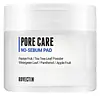
BufferingWater, Butylene Glycol, Glycereth-26, 1,2-Hexanediol, Vitis Vinifera Fruit Extract, Carica Papaya Fruit Extract, Pyrus Malus Fruit Extract, Terminalia Ferdinandiana Fruit Extract, Betula Platyphylla Japonica Juice, Ulmus Davidiana Root Extract, Salvia Officinalis Leaf Extract, Melaleuca Alternifolia Leaf Extract, Mentha Citrata Leaf Extract, Ficus Carica Fruit Extract, Thuja Orientalis Leaf Extract, Phormium Tenax Leaf Powder, Charcoal Extract, Panthenol, Hydroxyethyl Urea, Citric Acid, Allantoin, Betaine, Ethylhexylglycerin, Xanthan Gum, Octyldodeceth-16, Disodium EDTA, Sodium Citrate
Water
Skin ConditioningBrassica Oleracea Capitata Leaf Extract
Skin ConditioningButylene Glycol
Humectant
1,2-Hexanediol
Skin Conditioning
Betaine
Humectant
Diethoxyethyl Succinate
SolventPanthenol
Skin Conditioning
Glycerin
Humectant
Salix Alba Extract
Skin ConditioningCentella Asiatica Extract
Cleansing

Pinus Palustris Leaf Extract
TonicUlmus Davidiana Root Extract
Skin Conditioning
Oenothera Biennis Flower Extract
AstringentPueraria Lobata Root Extract
HumectantLavandula Angustifolia Extract
Skin Conditioning

Salvia Sclarea Extract
AntiseborrhoeicHyacinthus Orientalis Extract
Skin ConditioningChamomilla Recutita Flower/Leaf Extract
AntimicrobialBorago Officinalis Extract
Emollient
Centaurea Cyanus Flower Extract
Astringent
Glycereth-25 PCA Isostearate
Emulsifying
Gluconolactone
Skin Conditioning



Arginine
Masking
Sodium Citrate
BufferingXylitol
Humectant
Allantoin
Skin Conditioning
Eucalyptus Globulus Leaf Oil
Perfuming

Cupressus Sempervirens Oil
Masking
Lavandula Hybrida Oil
Emollient
Mentha Piperita Oil
Masking
Pelargonium Graveolens Flower Oil
Masking
Cedrus Deodara Wood Oil
Masking
Litsea Cubeba Fruit Oil
Masking
Pogostemon Cablin Leaf Oil
Masking
Sodium Hyaluronate
Humectant
Hydrolyzed Hyaluronic Acid
Humectant
Sodium Acetylated Hyaluronate
Humectant
Ethylhexylglycerin
Skin ConditioningHydroxyacetophenone
Antioxidant
Disodium EDTA
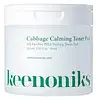
Water, Brassica Oleracea Capitata Leaf Extract, Butylene Glycol, 1,2-Hexanediol, Betaine, Diethoxyethyl Succinate, Panthenol, Glycerin, Salix Alba Extract, Centella Asiatica Extract, Pinus Palustris Leaf Extract, Ulmus Davidiana Root Extract, Oenothera Biennis Flower Extract, Pueraria Lobata Root Extract, Lavandula Angustifolia Extract, Salvia Sclarea Extract, Hyacinthus Orientalis Extract, Chamomilla Recutita Flower/Leaf Extract, Borago Officinalis Extract, Centaurea Cyanus Flower Extract, Glycereth-25 PCA Isostearate, Gluconolactone, Arginine, Sodium Citrate, Xylitol, Allantoin, Eucalyptus Globulus Leaf Oil, Cupressus Sempervirens Oil, Lavandula Hybrida Oil, Mentha Piperita Oil, Pelargonium Graveolens Flower Oil, Cedrus Deodara Wood Oil, Litsea Cubeba Fruit Oil, Pogostemon Cablin Leaf Oil, Sodium Hyaluronate, Hydrolyzed Hyaluronic Acid, Sodium Acetylated Hyaluronate, Ethylhexylglycerin, Hydroxyacetophenone, Disodium EDTA
Ingredients Explained
These ingredients are found in both products.
Ingredients higher up in an ingredient list are typically present in a larger amount.
1,2-Hexanediol is a synthetic liquid and another multi-functional powerhouse.
It is a:
- Humectant, drawing moisture into the skin
- Emollient, helping to soften skin
- Solvent, dispersing and stabilizing formulas
- Preservative booster, enhancing the antimicrobial activity of other preservatives
Allantoin is a soothing ingredient known for its protective and moisturizing properties; it's basically a quiet workhorse ingredient you can find in a huge range of cosmetics.
Though it can be derived from the comfrey plant, allantoin is produced synthetically for cosmetic products to ensure purity.
Research shows it can encourage your skin cells to turn over and renew by stimulating keratinocyte and fibroblast proliferation.
It also has mild keratolytic properties to help loosen and shed dead skin cells without being harsh.
Studies also suggest allantoin can help calm inflammation by dialing down some of the chemical signals your skin sends out when it is irritated.
This ingredient is typically used in the 0.1-0.5% range, and the FDA recognizes it as a skin protectant in OTC products up to 2%.
Overall, allantoin is a wonderful addition to most routines; it is stable across a wide pH range (~4-8), works well with other ingredients, and is considered non-sensitizing/non-irritating.
Fun fact: Allantoin is naturally occurring in comfrey root, beets, chamomile, and wheat sprouts. Our bodies even produce it as a byproduct of uric acid metabolism.
Learn more about AllantoinBetaine is a humectant. Like hyaluronic acid, it helps attract and retain moisture in the skin. It’s known for being gentle and for helping the skin maintain balanced hydration.
Betaine is mainly used to improve hydration and support calmer skin. It helps skin cells regulate water balance because it functions as an osmolyte.
Some studies suggest betaine may support making skin tone more even.
Fun fact: Betaine naturally exists in the skin and the body. In cosmetic products, it can be either plant-derived (most commonly from sugar beets) or synthetically produced for consistency and stability.
Betaine is also known as trimethylglycine.
Learn more about BetaineButylene Glycol (or BG) is used within cosmetic products for a few different reasons:
Overall, Butylene Glycol is a safe and well-rounded ingredient that works well with other ingredients.
Though this ingredient works well with most skin types, some people with sensitive skin may experience a reaction such as allergic rashes, closed comedones, or itchiness.
Learn more about Butylene GlycolDisodium EDTA is a chelating agent. It grabs onto and deactivates metal ions that sneak into your products from water, packaging, or air.
This ingredient mainly works behind the scenes and helps with:
On top of that, this ingredient can counteract the effects of hard water by binding to the minerals in it.
One thing worth knowing is that Disodium EDTA has been shown to be a mild penetration enhancer. It can help other ingredients absorb into skin more effectively which can be a double-edged sword (great for actives, but can also make the active too strong if you have sensitive skin).
Clinical patch testing showed no significant skin irritation at typical use concentrations and minimal dermal absorption.
You'll most likely see this ingredient near the end of an ingredient list. It's typically found in concentrations less than 1%.
Learn more about Disodium EDTAEthylhexylglycerin is created from glycerin. It is a multitasker ingredient that:
The CIR Expert Panel found minimal skin absorption or sensitization of any kind in a safety assessment. Though this ingredient is considered well-tolerated, a small number of cases of allergic dermatitis have been published since 2002. Just be sure to patch test if you are unsure.
Industry-reported use ranges from 8% in rinse-off products and 2% in leave-on formulations.
Learn more about EthylhexylglycerinPanthenol is a common ingredient that helps hydrate and soothe the skin. It is found naturally in our skin and hair.
There are two forms of panthenol: D and L.
D-panthenol is also known as dexpanthenol. Most cosmetics use dexpanthenol or a mixture of D and L-panthenol.
Panthenol is famous due to its ability to go deeper into the skin's layers. Using this ingredient has numerous pros (and no cons):
Like hyaluronic acid, panthenol is a humectant. Humectants are able to bind and hold large amounts of water to keep skin hydrated.
This ingredient works well for wound healing. It works by increasing tissue in the wound and helps close open wounds.
Once oxidized, panthenol converts to pantothenic acid. Panthothenic acid is found in all living cells.
This ingredient is also referred to as pro-vitamin B5.
Learn more about PanthenolSodium Citrate is the sodium salts of citric acid. In skincare, it is used to alter pH levels and acts as a preservative.
Its main functions are to maintain the pH of a product and neutralize metal ions.
The acidity of our skin is maintained by our glands and skin biome; normal pH level of skin is slightly acidic (~4.75-5.5).
Being slightly acidic allows our skin to create an "acid mantle". This acid mantle is a thin barrier that protects our skin from bacteria and contaminants.
Learn more about Sodium CitrateThis tree is also known as the David Elm. It contains the ingredient bakuchiol.
Other great compounds found in this ingredient include galactose, glucose, and phenolics. The sugar content gives it great skin hydrating properties. Phenolics are potent antioxidants commonly found in fruits and veggies.
A 2020 study found the phenolics of this root to have an anti-inflammatory effect.
Fun fact: This ingredient is used in traditional Asian medicine.
Learn more about Ulmus Davidiana Root ExtractWater. It's the most common cosmetic ingredient of all. You'll usually see it at the top of ingredient lists, meaning that it makes up the largest part of the product.
So why is it so popular? Water most often acts as a solvent - this means that it helps dissolve other ingredients into the formulation.
You'll also recognize water as that liquid we all need to stay alive. If you see this, drink a glass of water. Remember to stay hydrated!
Learn more about Water
