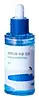
This hydrating ampoule is formulated around Betula Platyphylla Japonica Juice and Sodium Hyaluronate to hydrate skin and strengthen the skin barrier.
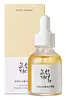
This acne serum is formulated around Propolis Extract and Niacinamide to clear breakouts and brighten dull-looking skin.

What's inside
What's inside
 Key Ingredients
Benefits
Concerns
No concerns
Ingredients Side-by-side
Water
Skin ConditioningButylene Glycol
Humectant

Glycerin
Humectant
Pentylene Glycol
Skin Conditioning
Methylpropanediol
Solvent1,2-Hexanediol
Skin Conditioning
Betula Platyphylla Japonica Juice
Skin Conditioning
Xylitylglucoside
Humectant
Chlorella Vulgaris Extract
Skin ConditioningXylitol
Humectant
Lactobacillus Ferment
Skin Conditioning
Curcuma Longa Root Extract
Antioxidant

Hydrolyzed Hyaluronic Acid
Humectant

Hyaluronic Acid
Humectant
Sodium Hyaluronate
Humectant
Anhydroxylitol
Humectant
Glucose
Humectant
Fructooligosaccharides
Humectant
Fructose
Humectant
Ammonium Acryloyldimethyltaurate/Vp Copolymer
Ethylhexylglycerin
Skin ConditioningDipotassium Glycyrrhizate
Humectant
Dextrin
AbsorbentBeta-Glucan
Skin Conditioning
Glyceryl Glucoside
Humectant
Tocopherol
Antioxidant


Dipropylene Glycol
HumectantDimethylsilanol Hyaluronate
Humectant
Hydrolyzed Sodium Hyaluronate
Skin Conditioning
Potassium Hyaluronate
Skin ConditioningHydroxypropyltrimonium Hyaluronate
Sodium Hyaluronate Crosspolymer
Humectant
Sodium Hyaluronate Dimethylsilanol
HumectantSodium Acetylated Hyaluronate
Humectant
Caprylyl/Capryl Glucoside
CleansingHydrogenated Lecithin
Emulsifying
Ceramide NP
Skin Conditioning
Xanthan Gum
EmulsifyingGardenia Florida Fruit Extract
Skin ConditioningWater, Butylene Glycol, Glycerin, Pentylene Glycol, Methylpropanediol, 1,2-Hexanediol, Betula Platyphylla Japonica Juice, Xylitylglucoside, Chlorella Vulgaris Extract, Xylitol, Lactobacillus Ferment, Curcuma Longa Root Extract, Hydrolyzed Hyaluronic Acid, Hyaluronic Acid, Sodium Hyaluronate, Anhydroxylitol, Glucose, Fructooligosaccharides, Fructose, Ammonium Acryloyldimethyltaurate/Vp Copolymer, Ethylhexylglycerin, Dipotassium Glycyrrhizate, Dextrin, Beta-Glucan, Glyceryl Glucoside, Tocopherol, Dipropylene Glycol, Dimethylsilanol Hyaluronate, Hydrolyzed Sodium Hyaluronate, Potassium Hyaluronate, Hydroxypropyltrimonium Hyaluronate, Sodium Hyaluronate Crosspolymer, Sodium Hyaluronate Dimethylsilanol, Sodium Acetylated Hyaluronate, Caprylyl/Capryl Glucoside, Hydrogenated Lecithin, Ceramide NP, Xanthan Gum, Gardenia Florida Fruit Extract
Propolis Extract
Skin Conditioning

Dipropylene Glycol
HumectantGlycerin
Humectant
Butylene Glycol
Humectant
Water
Skin ConditioningNiacinamide
Smoothing



1,2-Hexanediol
Skin Conditioning
Melia Azadirachta Flower Extract
Skin ConditioningMelia Azadirachta Leaf Extract
Skin ConditioningSodium Hyaluronate
Humectant
Curcuma Longa Root Extract
Antioxidant
Ocimum Sanctum Leaf Extract
Skin ConditioningTheobroma Cacao Seed Extract
Antioxidant
Melaleuca Alternifolia Leaf Extract
Perfuming
Centella Asiatica Extract
Cleansing
Corallina Officinalis Extract
Skin Conditioning

Lotus Corniculatus Seed Extract
Skin ConditioningCalophyllum Inophyllum Seed Oil
Antimicrobial


Betaine Salicylate
Antimicrobial

Sodium Polyacryloyldimethyl Taurate
Emulsion StabilisingTromethamine
BufferingPolyglyceryl-10 Laurate
Skin Conditioning
Caprylyl Glycol
Emollient
Ethylhexylglycerin
Skin ConditioningDextrin
AbsorbentPentylene Glycol
Skin Conditioning
Octanediol
Tocopherol
Antioxidant
Xanthan Gum
EmulsifyingCarbomer
Emulsion StabilisingPropolis Extract, Dipropylene Glycol, Glycerin, Butylene Glycol, Water, Niacinamide, 1,2-Hexanediol, Melia Azadirachta Flower Extract, Melia Azadirachta Leaf Extract, Sodium Hyaluronate, Curcuma Longa Root Extract, Ocimum Sanctum Leaf Extract, Theobroma Cacao Seed Extract, Melaleuca Alternifolia Leaf Extract, Centella Asiatica Extract, Corallina Officinalis Extract, Lotus Corniculatus Seed Extract, Calophyllum Inophyllum Seed Oil, Betaine Salicylate, Sodium Polyacryloyldimethyl Taurate, Tromethamine, Polyglyceryl-10 Laurate, Caprylyl Glycol, Ethylhexylglycerin, Dextrin, Pentylene Glycol, Octanediol, Tocopherol, Xanthan Gum, Carbomer
Reviews
Ingredients Explained
These ingredients are found in both products.
Ingredients higher up in an ingredient list are typically present in a larger amount.
1,2-Hexanediol is a synthetic liquid and another multi-functional powerhouse.
It is a:
- Humectant, drawing moisture into the skin
- Emollient, helping to soften skin
- Solvent, dispersing and stabilizing formulas
- Preservative booster, enhancing the antimicrobial activity of other preservatives
Butylene Glycol (or BG) is used within cosmetic products for a few different reasons:
Overall, Butylene Glycol is a safe and well-rounded ingredient that works well with other ingredients.
Though this ingredient works well with most skin types, some people with sensitive skin may experience a reaction such as allergic rashes, closed comedones, or itchiness.
Learn more about Butylene GlycolCurcuma Longa Root Extract comes from the rhizome (underground stem) of the turmeric plant.
While the official EU Cosing Database lists this ingredient as a fragrance, it actually does more than give products a scent.
This ingredient contains a group of yellow pigments called curcuminoids (mostly curcumin) that give it genuine antioxidant and anti-inflammatory activity in skin.
Reviews of topical clinical studies have found turmeric/curcumin to be generally well-tolerated and useful across conditions like eczema and mild inflammation.
One thing working in its favor is that curcumin barely penetrates; in lab skin-permeation testing, the curcuminoids mostly stayed in the outermost layer of skin. This is a good thing because its soothing and antioxidant activity is a surface-level job anyway.
At this time, industry data shows there's no single "correct" cosmetic percentage. It's used across a wide range depending on the product and varies from tiny fractions of a percent up to a few percent.
Allergy-wise, curcumin is a documented (but uncommon) contact allergen. It can also cross react with related plants, so anyone with a turmeric/ginger/cinnamon allergy or reactive skin should patch test first.
Learn more about Curcuma Longa Root ExtractDextrin is a starch-derived polysaccharide. It's made by partially breaking down corn, potato, or other plant starches.
Think of it as "half-processed" starch; it's less complex than the original but not fully broken down into sugar like maltodextrin.
In cosmetics, it mainly functions as a bulking agent, viscosity controller, binder, and absorbent. It helps thicken products, stabilize powders, and get certain textures a less "wet" feel.
This ingredient has a pretty solid safety profile; it's recognized as a safe food additive and its large molecular size means it doesn't meaningfully penetrate skin.
Human repeat insult patch tests using a rinse-off facial product containing 42.69% dextrin found no skin irritation or sensitization in 54 subjects.
Typical real-world usage is much lower: usually under 1% as a texture modifier and up to 40% in masks (rinse off products use less).
Learn more about DextrinDipropylene Glycol is a synthetically created humectant, stabilizer, and solvent.
This ingredient helps:
Dipropylene glycol is technically an alcohol, but it belongs to the glycol family (often considered part of the ‘good’ alcohols). This means it is hydrating and gentle on skin unlike drying solvent alcohols like denatured alcohol.
As a masking agent, Dipropylene Glycol can be used to cover the smell of other ingredients. However, it does not have a scent.
Studies show Dipropylene Glycol is considered safe to use in skincare.
Learn more about Dipropylene GlycolEthylhexylglycerin is created from glycerin. It is a multitasker ingredient that:
The CIR Expert Panel found minimal skin absorption or sensitization of any kind in a safety assessment. Though this ingredient is considered well-tolerated, a small number of cases of allergic dermatitis have been published since 2002. Just be sure to patch test if you are unsure.
Industry-reported use ranges from 8% in rinse-off products and 2% in leave-on formulations.
Learn more about EthylhexylglycerinGlycerin (or glycerol) is a compound naturally found in your skin. It's a powerhouse humectant that pulls water into the stratum corneum.
Topically, glycerin does several things at once:
Your skin makes glycerin on its own (mostly from sebaceous oil breakdown) and shuttles it to your outermost layer of skin, or your epidermis, via aquaporin-3.
Aquaporin-3 is a transporter that is essential for normal skin hydration, elasticity, and repair. Interestingly, mice lacking in AQP3 have dry and less elastic skin that can be fully corrected with glycerin.
This ingredient is non-irritating, plays well with almost every ingredient, and works across all skin types. Typical use is anywhere between 3-10% but can go up to 79% in some leave-on products.
Just know very high concentrations (>40%) can feel tacky in low humidity.
Glycerin is the name for this ingredient in American English. British English uses Glycerol/Glycerine.
Learn more about GlycerinPentylene Glycol (1,2-pentanediol) is a multitasking little diol with three main roles in a formula:
Research on alkanediols (the family pentylene glycol belongs to) show they work by disrupting microbial cell membranes. This disruption helps the primary preservative system in a product work more effectively at lower doses.
On the safety side, the Cosmetic Ingredient Review Expert Panel has concluded this ingredient to be safe as used in current cosmetic practices + concentrations.
Typical use levels in a formula run about 1-5%.
Learn more about Pentylene GlycolSodium Hyaluronate is the salt form of hyaluronic acid. It is a long sugar chain that is naturally found in your skin, joints, and connective tissue that maintains hydration and elasticity.
In skincare, it works as a humectant. It pulls water from the environment and deeper layers of skin and binds it to the surface.
Interestingly, the size of the molecule affects its behavior:
Some clinical evidence links low molecular weight versions to improved wrinkle depth, elasticity, anti-inflammatory effects, and barrier repair.
Many serums use a blend of both weights so you can get surface hydration plus longer-lasting and deeper effects.
You'll typically see concentrations between 0.1-2% for this ingredient.
Learn more about Sodium HyaluronateTocopherol is a fat-soluble antioxidant known as Vitamin E.
You'll find this ingredient in the vast majority of skincare (for good reason). It works to neutralize free radicals, or unstable molecules generated by UV exposure, pollution, and other environmental stressors, before they can cause oxidative damage to your skin cells.
Topically applied tocopherol has been shown to protect against UV damage by ramping up the skin's own natural defense enzymes.
It also acts as a skin conditioning agent; some studies show that regular topical use can improve the skin's water-binding capacity over 2-4 weeks.
This ingredient is especially loved for being a team player. When combined with Vitamin C, the photoprotective effect of both ingredients roughly doubles and the combo also helps reduce UV-induced DNA damage.
This ingredient has some brightening potential but it's more of a prevention ingredient than spot-fader. Cell studies show it can slow down melanin production but it's worth noting that it's not the most powerful brightener out there.
In formulations, it also serves as a stabilizer that helps protect other oxidation-prone ingredients from degrading.
Concentrations usually range from 0.1-1% in most leave-on products.
Learn more about TocopherolWater. It's the most common cosmetic ingredient of all. You'll usually see it at the top of ingredient lists, meaning that it makes up the largest part of the product.
So why is it so popular? Water most often acts as a solvent - this means that it helps dissolve other ingredients into the formulation.
You'll also recognize water as that liquid we all need to stay alive. If you see this, drink a glass of water. Remember to stay hydrated!
Learn more about WaterXanthan gum is used as a stabilizer and thickener within cosmetic products. It helps give products a sticky, thick feeling - preventing them from being too runny.
On the technical side of things, xanthan gum is a polysaccharide - a combination consisting of multiple sugar molecules bonded together.
Xanthan gum is a pretty common and great ingredient. It is a natural, non-toxic, non-irritating ingredient that is also commonly used in food products.
Learn more about Xanthan Gum

