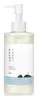
This oil-based makeup remover is made to dissolve makeup, sunscreen, and daily buildup.
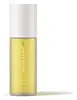
This oil-based cleanser is formulated around Salicylic Acid to clear breakouts and unclog pores.


What's inside
What's inside
 Key Ingredients
Benefits
Concerns
Ingredients Side-by-side
Ethylhexyl Stearate
Emollient




Sorbeth-30 Tetraoleate
Emulsifying
Diisostearyl Malate
EmollientEthylhexylglycerin
Skin ConditioningWater
Skin ConditioningOenothera Biennis Oil
Emollient



Limnanthes Alba Seed Oil
Skin Conditioning
Persea Gratissima Oil
Skin Conditioning
Vitis Vinifera Seed Oil
Emollient
Canola Oil
Emollient
Macadamia Integrifolia Seed Oil
Skin Conditioning
Sea Water
HumectantButylene Glycol
Humectant
Allantoin
Skin Conditioning
Panthenol
Skin Conditioning
1,2-Hexanediol
Skin Conditioning
Caprylic/Capric Triglyceride
Masking
Phosphatidylcholine
EmulsifyingHyaluronic Acid
Humectant

Ceramide NP
Skin Conditioning
Glycine
Buffering
Hydrolyzed Hyaluronic Acid
Humectant
Glutamic Acid
Humectant
Serine
Masking
Sodium Hyaluronate
Humectant
Lysine
Skin ConditioningAlanine
Masking
Arginine
Masking
Threonine
Proline
Skin Conditioning
Citrus Aurantium Bergamia Fruit Oil
Masking


Salvia Officinalis Oil
Masking
Tocopherol
Antioxidant



Limonene
Perfuming
Linalool
Perfuming
Ethylhexyl Stearate, Sorbeth-30 Tetraoleate, Diisostearyl Malate, Ethylhexylglycerin, Water, Oenothera Biennis Oil, Limnanthes Alba Seed Oil, Persea Gratissima Oil, Vitis Vinifera Seed Oil, Canola Oil, Macadamia Integrifolia Seed Oil, Sea Water, Butylene Glycol, Allantoin, Panthenol, 1,2-Hexanediol, Caprylic/Capric Triglyceride, Phosphatidylcholine, Hyaluronic Acid, Ceramide NP, Glycine, Hydrolyzed Hyaluronic Acid, Glutamic Acid, Serine, Sodium Hyaluronate, Lysine, Alanine, Arginine, Threonine, Proline, Citrus Aurantium Bergamia Fruit Oil, Salvia Officinalis Oil, Tocopherol, Limonene, Linalool
Olea Europaea Fruit Oil
Masking
Carthamus Tinctorius Seed Oil
Masking
Olive Oil PEG-7 Esters
Emollient
Camellia Oleifera Seed Oil
Skin Conditioning
Squalane
Emollient







Olea Europaea Fruit Oil, Carthamus Tinctorius Seed Oil, Olive Oil PEG-7 Esters, Camellia Oleifera Seed Oil, Squalane, Vaccinium Macrocarpon Seed Oil, Calophyllum Inophyllum Seed Oil, Tocopherol, Salicylic Acid, Citrus Aurantium Bergamia Fruit Oil, Citrus Sinensis Peel Oil Expressed, Lavandula Angustifolia Oil
Reviews
Alternatives
Ingredients Explained
These ingredients are found in both products.
Ingredients higher up in an ingredient list are typically present in a larger amount.
Citrus Aurantium Bergamia Fruit Oil is the oil from the bergamot orange and is primarily used as a fragrance. It has a "fresh" and "bright orange" scent.
The main aroma compounds found in this ingredient are limonene (~27-52%), linalool (~2-22%), and linalyl acetate (~27-40%). These are known EU fragrance allergens.
The term 'fragrance' is not regulated in many countries. In many cases, it is up to the brand to define this term. For instance, many brands choose to label themselves as "fragrance-free" because they are not using synthetic fragrances. However, their products may still contain ingredients such as essential oils that are considered a fragrance.
When used topically, Citrus Aurantium Bergamia Fruit Oil is a photosensitizer due to the furanocoumarin content. Furanocoumarins absorb UV-A and cause phytophotodermatitis; this can look like redness, blistering, and lasting brown pigmentation on sun-exposed skin.
Due to this, this ingredient is capped at 0.4% in leave-on products applied to sun exposed skin.
Many modern formulas used a "furanocoumarin-free" version that sidesteps the phototoxicity issue, but still contains the fragrance allergens.
Learn more about Citrus Aurantium Bergamia Fruit OilTocopherol is a fat-soluble antioxidant known as Vitamin E.
You'll find this ingredient in the vast majority of skincare (for good reason). It works to neutralize free radicals, or unstable molecules generated by UV exposure, pollution, and other environmental stressors, before they can cause oxidative damage to your skin cells.
Topically applied tocopherol has been shown to protect against UV damage by ramping up the skin's own natural defense enzymes.
It also acts as a skin conditioning agent; some studies show that regular topical use can improve the skin's water-binding capacity over 2-4 weeks.
This ingredient is especially loved for being a team player. When combined with Vitamin C, the photoprotective effect of both ingredients roughly doubles and the combo also helps reduce UV-induced DNA damage.
This ingredient has some brightening potential but it's more of a prevention ingredient than spot-fader. Cell studies show it can slow down melanin production but it's worth noting that it's not the most powerful brightener out there.
In formulations, it also serves as a stabilizer that helps protect other oxidation-prone ingredients from degrading.
Concentrations usually range from 0.1-1% in most leave-on products.
Learn more about Tocopherol

