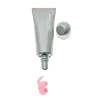
This hydrating lip mask is formulated around Simmondsia Chinensis Seed Oil and Butyrospermum Parkii Butter to hydrate lips and soften the look of wrinkles.
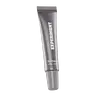
This barrier-repair lip moisturizer is formulated around Squalane and Petrolatum to strengthen the lip barrier and hydrate lips.

What's inside
What's inside
 Key Ingredients
Benefits
Concerns
Ingredients Side-by-side
Polybutene
Hydrogenated Polyisobutene
EmollientCaprylic/Capric Triglyceride
Masking


Bis-Diglyceryl Polyacyladipate-2
Emollient

Polyethylene
Abrasive

Simmondsia Chinensis Seed Oil
Emollient

Phytosteryl/Isostearyl/Cetyl/Stearyl/Behenyl Dimer Dilinoleate
Skin Conditioning
Ethylhexyl Palmitate
Emollient

Butyrospermum Parkii Butter
Skin Conditioning
Cocos Nucifera Oil
Masking
Silica Dimethyl Silylate
EmollientPolyhydroxystearic Acid
Emulsifying
Ethylene/Propylene/Styrene Copolymer
Dipalmitoyl Hydroxyproline
Skin Conditioning
Tocopherol
Antioxidant





Palmitoyl Tripeptide-38
Skin Conditioning

Hexapeptide-3
Skin Conditioning
Acetyl Hexapeptide-37
Skin Conditioning
Acetyl Hexapeptide-38
Skin Conditioning
Olea Europaea Fruit Oil
Masking
Lactic Acid
Buffering



Sodium Hyaluronate
Humectant
Stevioside
MaskingVanillyl Butyl Ether
MaskingCeramide NP
Skin Conditioning

Glucomannan
Skin ConditioningOctyldodecanol
Emollient
Cetearyl Alcohol
Emollient
Pentaerythrityl Tetra-Di-T-Butyl Hydroxyhydrocinnamate
Antioxidant
PEG-20 Glyceryl Triisostearate
Emollient
Butylene/Ethylene/Styrene Copolymer
Sorbitan Oleate
Emulsifying
Synthetic Beeswax
Emulsion Stabilising
Water
Skin ConditioningTrihydroxystearin
Skin Conditioning
Ethylhexylglycerin
Skin ConditioningCI 73360
Cosmetic ColorantCI 15850
Cosmetic ColorantPolybutene, Hydrogenated Polyisobutene, Caprylic/Capric Triglyceride, Bis-Diglyceryl Polyacyladipate-2, Polyethylene, Simmondsia Chinensis Seed Oil, Phytosteryl/Isostearyl/Cetyl/Stearyl/Behenyl Dimer Dilinoleate, Ethylhexyl Palmitate, Butyrospermum Parkii Butter, Cocos Nucifera Oil, Silica Dimethyl Silylate, Polyhydroxystearic Acid, Ethylene/Propylene/Styrene Copolymer, Dipalmitoyl Hydroxyproline, Tocopherol, Palmitoyl Tripeptide-38, Hexapeptide-3, Acetyl Hexapeptide-37, Acetyl Hexapeptide-38, Olea Europaea Fruit Oil, Lactic Acid, Sodium Hyaluronate, Stevioside, Vanillyl Butyl Ether, Ceramide NP, Glucomannan, Octyldodecanol, Cetearyl Alcohol, Pentaerythrityl Tetra-Di-T-Butyl Hydroxyhydrocinnamate, PEG-20 Glyceryl Triisostearate, Butylene/Ethylene/Styrene Copolymer, Sorbitan Oleate, Synthetic Beeswax, Water, Trihydroxystearin, Ethylhexylglycerin, CI 73360, CI 15850
Squalane
Emollient
Ethylene/Propylene/Styrene Copolymer
Petrolatum
Emollient
Punica Granatum Sterols
Skin Conditioning
Water
Skin ConditioningPhytosteryl/Isostearyl/Cetyl/Stearyl/Behenyl Dimer Dilinoleate
Skin Conditioning
Octyldodecanol
Emollient
Glycerin
Humectant
Euphorbia Cerifera Wax
Polyglyceryl-2 Diisostearate
Emulsifying
Butylene/Ethylene/Styrene Copolymer
Silica Silylate
Emollient
Hydroxycaprylic Acid
Skin ConditioningPhenoxyethanol
Preservative
Methylpropanediol
SolventPentaerythrityl Tetra-Di-T-Butyl Hydroxyhydrocinnamate
Antioxidant
Caprylyl Glycol
Emollient
Tocopherol
Antioxidant
Squalane, Ethylene/Propylene/Styrene Copolymer, Petrolatum, Punica Granatum Sterols, Water, Phytosteryl/Isostearyl/Cetyl/Stearyl/Behenyl Dimer Dilinoleate, Octyldodecanol, Glycerin, Euphorbia Cerifera Wax, Polyglyceryl-2 Diisostearate, Butylene/Ethylene/Styrene Copolymer, Silica Silylate, Hydroxycaprylic Acid, Phenoxyethanol, Methylpropanediol, Pentaerythrityl Tetra-Di-T-Butyl Hydroxyhydrocinnamate, Caprylyl Glycol, Tocopherol
Reviews
Ingredients Explained
These ingredients are found in both products.
Ingredients higher up in an ingredient list are typically present in a larger amount.
This ingredient is a high-molecular weight synthetic polymer. It is used to modify the viscosity of a formula, improve slip, and create a more "cushiony" texture.
Due to its large molecular size, this ingredient is not absorbed into the skin.
This is a synthetic polymer used to thicken formulas, improve texture, and enhance spreadability.
Due to its large molecule size, this ingredient does not penetrate the skin and is considered well-tolerated.
Octyldodecanol is a fatty alcohol sourced from plant oils like coconut or palm (or made synthetically).
It is:
You'll likely see this in many BHA products because this is the go-to solvent for salicylic acid.
This ingredient is typically used at levels between 2-20%.
Regarding fungal acne:
In 2019, this ingredient was tested against multiple Malassezia species (the yeast that causes fungal acne) and showed no growth.
Pentaerythrityl Tetra-Di-T-Butyl Hydroxyhydrocinnamate (long name, huh?) is a synthetic antioxidant.
It is used to help stabilize other antioxidants or prevent the color from changing in a product.
As an antioxidant, it helps fight free-radical molecules. Free-radical molecules are capable of damaging our cells and other genetic material. Thus, antioxidants may reduce the signs of aging.
This ingredient is oil-soluble.
Learn more about Pentaerythrityl Tetra-Di-T-Butyl HydroxyhydrocinnamateThis is a plant-derived ester that functions as a skin conditioner. It's basically a two linoleic acid molecules combined with fatty alcohols.
In practice, it works as a rich emollient that helps reduce moisture loss and give skin a soft appearance.
The phytosterol part of this ingredient brings an added structural bonus: phytosterols are structurally similar to cholesterol so they can fit right into the stratum corneum's lipid matrix to help reinforce the skin barrier.
Due to its molecular structure, this ingredient delivers a cushiony and glossy feeling without being excessively greasy.
It did not produce skin irritation or sensitization in clinical studies, and this ingredient is deemed safe to use in cosmetics at current practices.
Because this ingredient contains C16, C18, and C22 fatty chains, it may not be Malassezia/fungal acne safe. The Malassezia yeast potentially feeds on fatty acids in the C11-C24 range.
Learn more about Phytosteryl/Isostearyl/Cetyl/Stearyl/Behenyl Dimer DilinoleateTocopherol is a fat-soluble antioxidant known as Vitamin E.
You'll find this ingredient in the vast majority of skincare (for good reason). It works to neutralize free radicals, or unstable molecules generated by UV exposure, pollution, and other environmental stressors, before they can cause oxidative damage to your skin cells.
Topically applied tocopherol has been shown to protect against UV damage by ramping up the skin's own natural defense enzymes.
It also acts as a skin conditioning agent; some studies show that regular topical use can improve the skin's water-binding capacity over 2-4 weeks.
This ingredient is especially loved for being a team player. When combined with Vitamin C, the photoprotective effect of both ingredients roughly doubles and the combo also helps reduce UV-induced DNA damage.
This ingredient has some brightening potential but it's more of a prevention ingredient than spot-fader. Cell studies show it can slow down melanin production but it's worth noting that it's not the most powerful brightener out there.
In formulations, it also serves as a stabilizer that helps protect other oxidation-prone ingredients from degrading.
Concentrations usually range from 0.1-1% in most leave-on products.
Learn more about TocopherolWater. It's the most common cosmetic ingredient of all. You'll usually see it at the top of ingredient lists, meaning that it makes up the largest part of the product.
So why is it so popular? Water most often acts as a solvent - this means that it helps dissolve other ingredients into the formulation.
You'll also recognize water as that liquid we all need to stay alive. If you see this, drink a glass of water. Remember to stay hydrated!
Learn more about Water

