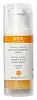
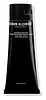
REN Clean Skincare Glycol Lactic Radiance Renewal Mask Versus Grown Alchemist Enzyme Exfoliant Papain & Amino Complex
This wash off mask is formulated around Lactic Acid to exfoliate and smooth skin.


What's inside
What's inside
 Key Ingredients
Benefits
Concerns
Ingredients Side-by-side
Water
Skin ConditioningGlycerin
Humectant


Polysorbate 60
Emulsifying

Lecithin
Emollient
Lactic Acid
Buffering








Vitis Vinifera Seed Oil
Emollient

Ribes Nigrum Seed Oil
Emollient
Citrus Limon Fruit Extract
Masking
Xanthan Gum
EmulsifyingVaccinium Macrocarpon Seed Oil
Skin Conditioning
Maltodextrin
Absorbent
Sodium Lactate
Buffering
Carica Papaya Fruit Extract
Skin ConditioningAnanas Sativus Fruit Extract
Skin ConditioningGlyceryl Caprylate
EmollientPassiflora Edulis Fruit Extract
Skin ConditioningVitis Vinifera Fruit Extract
Skin ConditioningParfum
Masking

Citrus Nobilis Peel Oil
Masking
Citrus Grandis Peel Oil
Masking

Citrus Tangerina Peel Oil
Masking
Citrus Aurantium Dulcis Flower Oil
Astringent
Alcohol Denat.
Antimicrobial
Benzyl Alcohol
Perfuming

Phenoxyethanol
Preservative
Potassium Sorbate
Preservative
Tocopherol
Antioxidant

Hippophae Rhamnoides Oil
Emollient
Helianthus Annuus Seed Oil
Emollient
Rosmarinus Officinalis Leaf Extract
AntimicrobialSodium Bisulfite
Antioxidant
Citral
Perfuming
Geraniol
Perfuming
Limonene
Perfuming
Linalool
Perfuming
Water, Glycerin, Polysorbate 60, Lecithin, Lactic Acid, Vitis Vinifera Seed Oil, Ribes Nigrum Seed Oil, Citrus Limon Fruit Extract, Xanthan Gum, Vaccinium Macrocarpon Seed Oil, Maltodextrin, Sodium Lactate, Carica Papaya Fruit Extract, Ananas Sativus Fruit Extract, Glyceryl Caprylate, Passiflora Edulis Fruit Extract, Vitis Vinifera Fruit Extract, Parfum, Citrus Nobilis Peel Oil, Citrus Grandis Peel Oil, Citrus Tangerina Peel Oil, Citrus Aurantium Dulcis Flower Oil, Alcohol Denat., Benzyl Alcohol, Phenoxyethanol, Potassium Sorbate, Tocopherol, Hippophae Rhamnoides Oil, Helianthus Annuus Seed Oil, Rosmarinus Officinalis Leaf Extract, Sodium Bisulfite, Citral, Geraniol, Limonene, Linalool
Water
Skin ConditioningGlycerin
Humectant
Prunus Amygdalus Dulcis Oil
Skin Conditioning
Maltodextrin
Absorbent
Calcium Pantothenate
Xanthan Gum
EmulsifyingPotassium Lactate
BufferingUrea
Buffering
Caprylyl Glycol
Emollient
Serine
Masking
Papain
Skin Conditioning
Carica Papaya Fruit Extract
Skin ConditioningSantalum Acuminatum Fruit Extract
Antioxidant
Ficus Carica Fruit Extract
Humectant
Lavandula Angustifolia Oil
Masking
Citrus Nobilis Peel Oil
Masking
Sphingomonas Ferment Extract
Skin Conditioning
Vanillin
Masking
Magnesium Chloride
Sodium Citrate
BufferingEthylhexylglycerin
Skin ConditioningBenzyl Alcohol
Perfuming
Dehydroacetic Acid
Preservative
Linalool
Perfuming
Limonene
Perfuming
Water, Glycerin, Prunus Amygdalus Dulcis Oil, Maltodextrin, Calcium Pantothenate, Xanthan Gum, Potassium Lactate, Urea, Caprylyl Glycol, Serine, Papain, Carica Papaya Fruit Extract, Santalum Acuminatum Fruit Extract, Ficus Carica Fruit Extract, Lavandula Angustifolia Oil, Citrus Nobilis Peel Oil, Sphingomonas Ferment Extract, Vanillin, Magnesium Chloride, Sodium Citrate, Ethylhexylglycerin, Benzyl Alcohol, Dehydroacetic Acid, Linalool, Limonene
Reviews
Ingredients Explained
These ingredients are found in both products.
Ingredients higher up in an ingredient list are typically present in a larger amount.
Benzyl Alcohol is an aromatic alcohol with several roles: it's a preservative, solvent, and mild fragrance component with a floral scent.
This ingredient has been deemed safe for use in cosmetic formulations at concentrations up to 5%, and up to 10% in hair dyes. You'll typically see 0.5-2% in most rinse-off or leave-on products.
As a preservative, it works by disrupting the membrane of microbial proteins. This helps keep bacteria and fungi from growing in your products.
The sensitization picture is actually quite assuring as well:of nearly 71,000 patients patch tested with benzyl alcohol, only 0.21% showed a positive reaction with most of them being weakly positive.
This led researchers to conclude that benzyl alcohol cannot be regarded as a significant contact allergen.
It is worth noting this ingredient is classified as one of the EU's regulated fragrance allergens and restricted to 1% in finished products.
Labels must also declare it in concentrations above 0.001% in leave-on products and 0.01% in rinse-off products.
At concentrations around 5%, localized redness and itching can appear as a direct irritant response and not as a true allergic reaction.
Learn more about Benzyl AlcoholCarica Papaya Fruit Extract comes from the flesh of the papaya. It's a skin conditioning agent that carries a mix of bioactives like papain, beta-carotene, and vitamin C.
These bioactive compounds give it two main talking points:
1. Papain is a proteolytic enzyme that provides mild exfoliation, helping skin look smoother and more even.
2. The carotenoids and vitamin C provide some antioxidant activity.
It's pretty compatible with most ingredients, but just sure to space out enzyme products with strong acids/retinoids to avoid over-doing it.
Maximum reported concentration is around 0.1% and most leave-on products use just 0.05%. If you see higher figures like 5-10%, this is usually the pre-diluted material from raw extract suppliers.
This ingredient has an assuring safety record and there's a lack of clinical case reports of dermatitis from using it.
The only caveat is allergy: patch test if you have a papaya or latex-fruit allergy.
Learn more about Carica Papaya Fruit ExtractMandarin peel oil is an essential oil made by distilling the peel of mandarin oranges. It is primarily used for fragrance but has some secondary skin conditioning effects.
This ingredient is rich in limonene and is generally considered milder than some other citrus oils (like lemon or bergamot). It is not strongly phototoxic because it contains little to no furocoumarins when properly produced.
Like other essential oils, this ingredient can be a fragrance allergen.
Learn more about Citrus Nobilis Peel OilGlycerin (or glycerol) is a compound naturally found in your skin. It's a powerhouse humectant that pulls water into the stratum corneum.
Topically, glycerin does several things at once:
Your skin makes glycerin on its own (mostly from sebaceous oil breakdown) and shuttles it to your outermost layer of skin, or your epidermis, via aquaporin-3.
Aquaporin-3 is a transporter that is essential for normal skin hydration, elasticity, and repair. Interestingly, mice lacking in AQP3 have dry and less elastic skin that can be fully corrected with glycerin.
This ingredient is non-irritating, plays well with almost every ingredient, and works across all skin types. Typical use is anywhere between 3-10% but can go up to 79% in some leave-on products.
Just know very high concentrations (>40%) can feel tacky in low humidity.
Glycerin is the name for this ingredient in American English. British English uses Glycerol/Glycerine.
Learn more about GlycerinLimonene is the compound that gives citrus peel its smell.
In skincare, it shows up as a standalone fragrance ingredient or as a natural compound of citrus and other essential oils.
You'll typically see this ingredient used in very small amounts; anything above 0.001% in a leave-on product or 0.01% in a rinse-off has to be named on the label in the EU. The citrus oils that carry it sit around 0.5-1% in a finished formula.
Fresh limonene is a weak allergen; the real issue is that it slowly reacts with air and then breaks down from oxidation to create hydroperoxides (which are strong sensitizers). This is why suppliers are required to keep the peroxide value below 20 mmol.
Positive reactions in people being investigated for eczema vary:
It's worth skipping if you have a known fragrance allergy or a compromised barrier, but the risk is low for most people.
Older or long-opened products are also more likely to bother you than fresh ones due to oxidation.
Learn more about LimoneneLinalool is a small, naturally occurring scent molecule found in plants like lavender, coriander, bergamot, and more.
It is one of the two most-used fragrance ingredients in cosmetics and added purely for smell. Since it's not used for a skin benefit, there's no "effective dose". Concentration depends on the fragrance load of the product.
The EU requires it to be named on the label above 0.001% in leave-on and 0.01% in rinse-off products.
Fresh linalool is a weak sensitizer but air exposure turns some of it into hydroperoxides, which are strong sensitizers. Those oxidation products are the actual allergy concern.
Patch-test clinics see positive reactions to linalool hydroperoxides in about 4% to 12% of dermatitis patients depending on country and test concentration.
Resassuringly, one analytical study found hydroperoxide levels in real fragranced products to be orders of magnitude below what induced sensitization in animal studies with no evidence of oxidation building up during normal storage.
The practical takeaway is that linalool is fine for most people but worth avoiding if you have a confirmed fragrance contact allergy or a badly compromised barrier.
Products stored a long time after opening are also the high-risk scenario since that is when oxidation happens.
The scent of linalool is described as floral, spicy tropical, and citrus-like.
Learn more about LinaloolMaltodextrin is a plant-derived carbohydrate made by breaking down starch (usually from corn, potato, or rice). In cosmetic formulas, it's a multitasking absorbent, emulsion stabilizer, and skin conditioner.
This ingredient is mostly used to stabilize emulsions and improve the powdery, non-greasy feel of products (like dry shampoos).
Safety-wise, this ingredient is pretty solid; it's even recognized as a food additive. Both animal and clinical studies found no adverse effects at the levels used in cosmetics.
Industry data shows this ingredient is used up to 45.7% in spray products and up to 33% in powder products.
Learn more about MaltodextrinWater. It's the most common cosmetic ingredient of all. You'll usually see it at the top of ingredient lists, meaning that it makes up the largest part of the product.
So why is it so popular? Water most often acts as a solvent - this means that it helps dissolve other ingredients into the formulation.
You'll also recognize water as that liquid we all need to stay alive. If you see this, drink a glass of water. Remember to stay hydrated!
Learn more about WaterXanthan gum is used as a stabilizer and thickener within cosmetic products. It helps give products a sticky, thick feeling - preventing them from being too runny.
On the technical side of things, xanthan gum is a polysaccharide - a combination consisting of multiple sugar molecules bonded together.
Xanthan gum is a pretty common and great ingredient. It is a natural, non-toxic, non-irritating ingredient that is also commonly used in food products.
Learn more about Xanthan Gum

