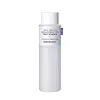
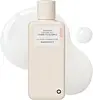
Rawquest Milk Thistle Brightening Spa First Essence Versus Rawquest Barrier Enhancing Toner To Essence
This brightening essence is formulated around Niacinamide to brighten dull-looking skin.

What's inside
What's inside
 Key Ingredients
Benefits
Concerns
Ingredients Side-by-side
Silybum Marianum Seed Extract 81%
Skin ConditioningPropanediol
Solvent

Glycerin
Humectant
1,2-Hexanediol
Skin Conditioning
Niacinamide
Smoothing









Butylene Glycol
Humectant
Glycereth-26
Humectant
Xylitol
Humectant
Water
Skin ConditioningAmmonium Acryloyldimethyltaurate/Vp Copolymer
Glycereth-25 PCA Isostearate
Emulsifying

Ethylhexylglycerin
Skin ConditioningAdenosine
Skin Conditioning
Disodium EDTA
ChelatingDipotassium Phosphate
BufferingAcetyl Glutamine
Skin ConditioningHyaluronic Acid
Humectant
Hydrolyzed Hyaluronic Acid
Humectant
Sodium Hyaluronate
Humectant
Camellia Sinensis Leaf Extract
Antimicrobial
Pyrus Communis Fruit Extract
Skin ConditioningRosa Damascena Flower Water
Masking
Hedera Helix Leaf/Stem Extract
AntimicrobialMentha Rotundifolia Leaf Extract
TonicFragaria Chiloensis Fruit Extract
Skin Conditioning
Pimpinella Anisum Fruit Extract
MaskingVaccinium Macrocarpon Fruit Extract
AstringentThymus Vulgaris Extract
Perfuming
Cellulose Gum
Emulsion StabilisingSilybum Marianum Seed Extract 81%, Propanediol, Glycerin, 1,2-Hexanediol, Niacinamide, Butylene Glycol, Glycereth-26, Xylitol, Water, Ammonium Acryloyldimethyltaurate/Vp Copolymer, Glycereth-25 PCA Isostearate, Ethylhexylglycerin, Adenosine, Disodium EDTA, Dipotassium Phosphate, Acetyl Glutamine, Hyaluronic Acid, Hydrolyzed Hyaluronic Acid, Sodium Hyaluronate, Camellia Sinensis Leaf Extract, Pyrus Communis Fruit Extract, Rosa Damascena Flower Water, Hedera Helix Leaf/Stem Extract, Mentha Rotundifolia Leaf Extract, Fragaria Chiloensis Fruit Extract, Pimpinella Anisum Fruit Extract, Vaccinium Macrocarpon Fruit Extract, Thymus Vulgaris Extract, Cellulose Gum
Water
Skin ConditioningGlycerin
Humectant
Dipropylene Glycol
HumectantPropanediol
Solvent
1,2-Hexanediol
Skin Conditioning
Erythritol
Humectant
Butylene Glycol
Humectant
Panthenol
Skin Conditioning
Cetyl Ethylhexanoate
EmollientEthylhexyl Palmitate
Emollient


Squalane
Emollient
Hydroxyacetophenone
Antioxidant
Sucrose Distearate
Emollient
Ammonium Polyacryloyldimethyl Taurate
Emulsion StabilisingSodium Polyacryloyldimethyl Taurate
Emulsion StabilisingCaprylic/Capric Triglyceride
Masking
Glyceryl Acrylate/Acrylic Acid Copolymer
HumectantGlycereth-25 PCA Isostearate
Emulsifying
Hydrogenated Polydecene
EmollientHydrogenated Lecithin
Emulsifying
Ethylhexylglycerin
Skin ConditioningHydrangea Macrophylla Leaf Extract
Skin ConditioningZea Mays Kernel Extract
Disodium EDTA
ChelatingDipotassium Phosphate
BufferingAcetyl Glutamine
Skin ConditioningTrideceth-10
CleansingMusa Sapientum Fruit Extract
Skin ConditioningHyaluronic Acid
Humectant
Hydrolyzed Hyaluronic Acid
Humectant
Sodium Hyaluronate
Humectant
Fructan
Skin ConditioningHedera Helix Leaf/Stem Extract
AntimicrobialTheobroma Cacao Extract
Skin ConditioningCocos Nucifera Oil
Masking
Fragaria Chiloensis Fruit Extract
Skin Conditioning
Glucose
Humectant
Gardenia Florida Flower Extract
Skin ConditioningAmyris Balsamifera Bark Oil
Masking

Osmanthus Fragrans Flower Extract
MaskingCellulose Gum
Emulsion StabilisingWater, Glycerin, Dipropylene Glycol, Propanediol, 1,2-Hexanediol, Erythritol, Butylene Glycol, Panthenol, Cetyl Ethylhexanoate, Ethylhexyl Palmitate, Squalane, Hydroxyacetophenone, Sucrose Distearate, Ammonium Polyacryloyldimethyl Taurate, Sodium Polyacryloyldimethyl Taurate, Caprylic/Capric Triglyceride, Glyceryl Acrylate/Acrylic Acid Copolymer, Glycereth-25 PCA Isostearate, Hydrogenated Polydecene, Hydrogenated Lecithin, Ethylhexylglycerin, Hydrangea Macrophylla Leaf Extract, Zea Mays Kernel Extract, Disodium EDTA, Dipotassium Phosphate, Acetyl Glutamine, Trideceth-10, Musa Sapientum Fruit Extract, Hyaluronic Acid, Hydrolyzed Hyaluronic Acid, Sodium Hyaluronate, Fructan, Hedera Helix Leaf/Stem Extract, Theobroma Cacao Extract, Cocos Nucifera Oil, Fragaria Chiloensis Fruit Extract, Glucose, Gardenia Florida Flower Extract, Amyris Balsamifera Bark Oil, Osmanthus Fragrans Flower Extract, Cellulose Gum
Ingredients Explained
These ingredients are found in both products.
Ingredients higher up in an ingredient list are typically present in a larger amount.
1,2-Hexanediol is a synthetic liquid and another multi-functional powerhouse.
It is a:
- Humectant, drawing moisture into the skin
- Emollient, helping to soften skin
- Solvent, dispersing and stabilizing formulas
- Preservative booster, enhancing the antimicrobial activity of other preservatives
We don't have a description for Acetyl Glutamine yet.
Butylene Glycol (or BG) is used within cosmetic products for a few different reasons:
Overall, Butylene Glycol is a safe and well-rounded ingredient that works well with other ingredients.
Though this ingredient works well with most skin types, some people with sensitive skin may experience a reaction such as allergic rashes, closed comedones, or itchiness.
Learn more about Butylene GlycolCellulose Gum is a water-soluble polymer that comes from cellulose. It is used to change the texture of a product and to help stabilize emulsions.
As an emulsifier, cellulose gum specifically thicken the texture of water-based products.
This ingredient is considered hypoallergenic and non-toxic. Cellulose Gum can be found in cosmetics, food, and other household goods such as paper products.
Learn more about Cellulose GumDipotassium Phosphate is an inorganic salt. This just means it has a different structure than organic salts. It is a stabilizing and pH adjusting ingredient.
This ingredient is soluble in water.
Disodium EDTA is a chelating agent. It grabs onto and deactivates metal ions that sneak into your products from water, packaging, or air.
This ingredient mainly works behind the scenes and helps with:
On top of that, this ingredient can counteract the effects of hard water by binding to the minerals in it.
One thing worth knowing is that Disodium EDTA has been shown to be a mild penetration enhancer. It can help other ingredients absorb into skin more effectively which can be a double-edged sword (great for actives, but can also make the active too strong if you have sensitive skin).
Clinical patch testing showed no significant skin irritation at typical use concentrations and minimal dermal absorption.
You'll most likely see this ingredient near the end of an ingredient list. It's typically found in concentrations less than 1%.
Learn more about Disodium EDTAEthylhexylglycerin is created from glycerin. It is a multitasker ingredient that:
The CIR Expert Panel found minimal skin absorption or sensitization of any kind in a safety assessment. Though this ingredient is considered well-tolerated, a small number of cases of allergic dermatitis have been published since 2002. Just be sure to patch test if you are unsure.
Industry-reported use ranges from 8% in rinse-off products and 2% in leave-on formulations.
Learn more about EthylhexylglycerinFragaria Chiloensis Fruit Extract comes from the beach strawberry. This is a strawberry native to Pacific coasts of North America, South America, and Hawaii. It likes to grow on sandy beaches.
Beach strawberries have antioxidant and moisturizing properties. They contain many compounds that are potent antioxidants, such as anthocyanins and Vitamin C.
The sugar, or polysaccharides, in strawberries help hydrate the skin by increasing water retention.
Strawberries also contain acids such as ellagic acid, a compound that may protect our skin against UVB damage. Another acid present is citric acid.
Fun fact: The strawberry we buy and eat today was created as a hybrid from the beach strawberry.
Learn more about Fragaria Chiloensis Fruit ExtractGlycereth-25 PCA Isostearate isn't fungal acne safe.
Glycerin (or glycerol) is a compound naturally found in your skin. It's a powerhouse humectant that pulls water into the stratum corneum.
Topically, glycerin does several things at once:
Your skin makes glycerin on its own (mostly from sebaceous oil breakdown) and shuttles it to your outermost layer of skin, or your epidermis, via aquaporin-3.
Aquaporin-3 is a transporter that is essential for normal skin hydration, elasticity, and repair. Interestingly, mice lacking in AQP3 have dry and less elastic skin that can be fully corrected with glycerin.
This ingredient is non-irritating, plays well with almost every ingredient, and works across all skin types. Typical use is anywhere between 3-10% but can go up to 79% in some leave-on products.
Just know very high concentrations (>40%) can feel tacky in low humidity.
Glycerin is the name for this ingredient in American English. British English uses Glycerol/Glycerine.
Learn more about GlycerinThis ingredient comes from the English Ivy, a climbing evergreen plant. The extract is rich in compounds that give it antioxidant, skin conditioning, and anti-inflammatory properties.
Two of the compounds, Alpha-Hederin and Hederasaponin-C, showed strong inhibition of shown to be effective at protecting against oxidative damage as well as synthetic antioxidants like butylated hydroxyanisole and BHT.
Hyaluronic acid (HA) is a glycosaminoglycan (basically a long sugar chain) that your skin already makes on its own. In your skin, HA lives in the extracellular matrix and acts as the body's moisture reservoir.
Topically, HA is a humectant that binds water and helps skin look more plump, smooth, and hydrated.
The only catch is that HA isn't a single thing; it actually comes in a wide range of molecular weights (~50 - 2,000+ kDA) and size matters.
Some clinical evidence links low molecular weight versions to improved wrinkle depth, elasticity, anti-inflammatory effects, and barrier repair.
This is why the best HA serums blend the two sizes together so you get the best of both worlds.
The majority of cosmetic HA is produced by bacterial fermentation, typically using Streptococcus or Bacillus strains. Typical use levels in skincare sit around 0.1-2%.
A clinical study using a 0.2% low-molecular weight HA gel showed improvement in facial seborrheic dermatitis with excellent tolerance.
These are some other common types of Hyaluronic Acid:
Learn more about Hyaluronic AcidHydrolyzed Hyaluronic Acid is hyaluronic acid (HA) that is broken down into lower molecular weight fragments.
It's a humectant that pulls and holds water in the skin to help with hydration, plumpness, and reduce transepidermal water loss.
Because hydrolyzed hyaluronic acid is smaller in size, it can slip past your outermost layer of skin more easily than full-sized HA.
Most formulations will combine all sizes to get the best of both worlds.
Typical usage levels range from 0.01-1%. Any percentage higher than 2% might become goopy and tacky.
Learn more about Hydrolyzed Hyaluronic AcidPropanediol is an all-star ingredient. It softens, hydrates, and smooths the skin.
It’s often used to:
Propanediol is not likely to cause sensitivity and considered safe to use. It is derived from corn or petroleum with a clear color and no scent.
Learn more about PropanediolSodium Hyaluronate is the salt form of hyaluronic acid. It is a long sugar chain that is naturally found in your skin, joints, and connective tissue that maintains hydration and elasticity.
In skincare, it works as a humectant. It pulls water from the environment and deeper layers of skin and binds it to the surface.
Interestingly, the size of the molecule affects its behavior:
Some clinical evidence links low molecular weight versions to improved wrinkle depth, elasticity, anti-inflammatory effects, and barrier repair.
Many serums use a blend of both weights so you can get surface hydration plus longer-lasting and deeper effects.
You'll typically see concentrations between 0.1-2% for this ingredient.
Learn more about Sodium HyaluronateWater. It's the most common cosmetic ingredient of all. You'll usually see it at the top of ingredient lists, meaning that it makes up the largest part of the product.
So why is it so popular? Water most often acts as a solvent - this means that it helps dissolve other ingredients into the formulation.
You'll also recognize water as that liquid we all need to stay alive. If you see this, drink a glass of water. Remember to stay hydrated!
Learn more about Water

