
What's inside
What's inside
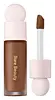 Key Ingredients
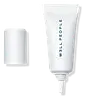
Benefits
Concerns
Ingredients Side-by-side
Water
Skin ConditioningDimethicone
Emollient

Hydrogenated Didecene
Skin ConditioningCetyl PEG/PPG-10/1 Dimethicone
Emulsifying
Propanediol
Solvent

Glycerin
Humectant
Acrylates/Polytrimethylsiloxymethacrylate Copolymer
Skin ConditioningBoron Nitride
Absorbent
Polyglyceryl-4 Isostearate
Emulsifying

Trimethylsiloxysilicate
Emollient
Isododecane
EmollientDisodium Stearoyl Glutamate
CleansingDisteardimonium Hectorite
StabilisingHydroxyacetophenone
Antioxidant
Oryza Sativa Bran Wax
Skin Conditioning
Sodium Chloride
MaskingDimethicone Crosspolymer
Emulsion Stabilising
Helianthus Annuus Seed Oil
Emollient
Caprylyl Glycol
Emollient
1,2-Hexanediol
Skin Conditioning
Phenyl Trimethicone
Skin Conditioning
Tocopheryl Acetate
Antioxidant

Aluminum Hydroxide
EmollientTrisodium Ethylenediamine Disuccinate
ChelatingDimethiconol
Emollient
Decyl Glucoside
Cleansing
Gardenia Florida Fruit Extract
Skin ConditioningHexylene Glycol
EmulsifyingNelumbo Nucifera Flower Extract
Skin ConditioningNymphaea Odorata Root Extract
RefreshingPhenoxyethanol
Preservative
CI 77891
Cosmetic ColorantIron Oxides
Water, Dimethicone, Hydrogenated Didecene, Cetyl PEG/PPG-10/1 Dimethicone, Propanediol, Glycerin, Acrylates/Polytrimethylsiloxymethacrylate Copolymer, Boron Nitride, Polyglyceryl-4 Isostearate, Trimethylsiloxysilicate, Isododecane, Disodium Stearoyl Glutamate, Disteardimonium Hectorite, Hydroxyacetophenone, Oryza Sativa Bran Wax, Sodium Chloride, Dimethicone Crosspolymer, Helianthus Annuus Seed Oil, Caprylyl Glycol, 1,2-Hexanediol, Phenyl Trimethicone, Tocopheryl Acetate, Aluminum Hydroxide, Trisodium Ethylenediamine Disuccinate, Dimethiconol, Decyl Glucoside, Gardenia Florida Fruit Extract, Hexylene Glycol, Nelumbo Nucifera Flower Extract, Nymphaea Odorata Root Extract, Phenoxyethanol, CI 77891, Iron Oxides
Coco-Caprylate/Caprate
Emollient
Triethylhexanoin
MaskingHydrogenated Castor Oil Isostearate
Skin Conditioning
Polyglyceryl-2 Triisostearate
Emulsifying
Jojoba Esters
Emollient
Glyceryl Behenate
Emollient
Hydrogenated Polycyclopentadiene
Caprylic/Capric Triglyceride
Masking
Silica
Abrasive

Boron Nitride
Absorbent
Helianthus Annuus Seed Wax
Skin Conditioning
Helianthus Annuus Seed Oil
Emollient
Hydrogenated Sunflower Seed Oil
Skin Conditioning
Sorbitan Sesquiisostearate
Emulsifying
Trihydroxystearin
Skin Conditioning
Isopropyl Titanium Triisostearate
Emollient
Ethylhexylglycerin
Skin ConditioningMica
Cosmetic ColorantAcacia Decurrens Flower Wax
Emollient
Polyglycerin-3
Humectant
Camellia Sinensis Seed Oil
Humectant
Punica Granatum Seed Oil
Emollient
Olea Europaea Fruit Oil
Masking


Ricinus Communis Seed Oil
Masking
Tocopherol
Antioxidant


Calendula Officinalis Flower Extract
Masking
CI 77891
Cosmetic ColorantIron Oxides
CI 77492
Cosmetic ColorantCI 77499
Cosmetic ColorantCoco-Caprylate/Caprate, Triethylhexanoin, Hydrogenated Castor Oil Isostearate, Polyglyceryl-2 Triisostearate, Jojoba Esters, Glyceryl Behenate, Hydrogenated Polycyclopentadiene, Caprylic/Capric Triglyceride, Silica, Boron Nitride, Helianthus Annuus Seed Wax, Helianthus Annuus Seed Oil, Hydrogenated Sunflower Seed Oil, Sorbitan Sesquiisostearate, Trihydroxystearin, Isopropyl Titanium Triisostearate, Ethylhexylglycerin, Mica, Acacia Decurrens Flower Wax, Polyglycerin-3, Camellia Sinensis Seed Oil, Punica Granatum Seed Oil, Olea Europaea Fruit Oil, Ricinus Communis Seed Oil, Tocopherol, Calendula Officinalis Flower Extract, CI 77891, Iron Oxides, CI 77492, CI 77499
Reviews
Ingredients Explained
These ingredients are found in both products.
Ingredients higher up in an ingredient list are typically present in a larger amount.
Boron Nitride is compound consisting of boron and nitrogen. It is used to absorb oil and modify adherence/ slip in products.
This means it is often used in makeup products to help them last longer.
Ci 77891 is a white pigment from Titanium dioxide. It is naturally found in minerals such as rutile and ilmenite.
It's main function is to add a white color to cosmetics. It can also be mixed with other colors to create different shades.
Ci 77891 is commonly found in sunscreens due to its ability to block UV rays.
Learn more about CI 77891Helianthus Annuus Seed Oil is a plant oil derived from the seeds of a sunflower.
It is rich in fatty acids, primarily linoleic acid and oleic acid. This gives it emollient and skin conditioning properties.
The reason this ingredient is so effective is because it forms a thin film on the skin that reduces transepidermal water loss (TEWL) while supplying linoleic acid to the stratum corneum to improve barrier strength.
The high linoleic acid content is particularly noteworthy for acne-prone skin.
Research suggests that acne-prone skin tends to be deficient in linoleic acid in sebum. Topical application may help replenish this to support a healthier follicular environment and less comedone-promoting sebum.
One randomized study found sunflower seed oil preserved skin barrier integrity in adult volunteers with and without atopic dermatitis (outperforming olive oil).
This ingredient is well-studied, gentle, and an effective emollient suitable for most skin types.
On fungal acne: This ingredient may not be Fungal acne (Malassezia folliculitis) safe. This is because it contains fatty acids with carbon chain lengths in the C11-C24 range.
Learn more about Helianthus Annuus Seed OilThis ingredient is a combination of red, black, and yellow iron oxide pigments. This combination of colors is usually found in foundation, because it results in a "skin" color.
The EU typically uses CI numbers for colorants when applicable, such as CI 77489. In the US, iron oxides are regulated as color additives and "iron oxides" is the most commonly used name in US cosmetic practice.
A 2021 paper looked at skincare formulations containing iron oxides and found that they reduced transmission of blue light when measured optically. In simple terms, the pigment particles helped block or scatter part of the visible light spectrum in lab testing and the authors suggest this could translate into better protection against blue-light-related skin effects.
There is also clinical and experimental research showing that tinted products containing iron oxides can reduce visible light-induced pigmentation:
Please note, whether a product reduces visible or blue light depends on things like:
In the EU's CosIng database, iron oxides are only listed as a colorant. CosIng groups ingredients by their main cosmetic role, such as colorant, preservative, or UV filter.
Though studies say iron oxides can "attenuate blue light", they're describing an optical property and not an officially recognized cosmetic function.
So CosIng isn’t contradicting the research. It’s just classifying iron oxides by what they officially are: pigments that add color.
Learn more about Iron Oxides

