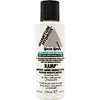
This calming day moisturizer is formulated around Aloe Barbadensis Leaf and Phospholipids to calm redness and hydrate skin.
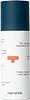
This brightening serum is formulated around Ascorbic Acid and Tocopherol to brighten dull-looking skin and soften the look of wrinkles.

What's inside
What's inside
 Key Ingredients
Benefits
Concerns
Ingredients Side-by-side
Aloe Barbadensis Leaf
Masking


Phospholipids
Skin Conditioning
Glyceryl Stearate
Emollient

Stearic Acid
Cleansing
Cetearyl Alcohol
Emollient



Ceteareth-20
Cleansing
Isopropyl Palmitate
Emollient
Sodium Hyaluronate
Humectant

Superoxide Dismutase
Antioxidant

Beta-Glucan
Skin Conditioning
Fucoidan
Antioxidant
Glycine Soja Hull
Abrasive
Ascorbic Acid Polypeptide
Antioxidant


Tocotrienols
Skin Conditioning
Tocopheryl Acetate
Antioxidant
Ferulic Acid
Antimicrobial
Panthenol
Skin Conditioning
Lentinus Edodes Extract
Skin ConditioningUlva Lactuca Powder
AbsorbentAlteromonas Ferment Filtrate
HumectantThioctic Acid
Antioxidant
Acetyl Carnitine
Skin ConditioningChondrus Crispus
Masking
Butylene Glycol
Humectant
Niacinamide
Smoothing




Ergocalciferol
Skin ConditioningArginine
Masking
Vitis Vinifera
MaskingHinokitiol
Astaxanthin
Skin Conditioning
Camellia Sinensis Callus
Antimicrobial
Centella Asiatica Extract
Cleansing
Chamomilla Recutita Extract
Skin Conditioning
Echinacea Angustifolia Meristem Cell Culture
Skin ConditioningGinkgo Biloba Meristem Cell
Antimicrobial
Phenoxyethanol
Preservative
Hydrolyzed Pearl
Skin ConditioningChitosan
Tourmaline
Volcanic Ash
Abrasive
Caprylyl Glycol
Emollient
Sorbic Acid
Preservative
PEG-8/Smdi Copolymer
Aloe Barbadensis Leaf, Phospholipids, Glyceryl Stearate, Stearic Acid, Cetearyl Alcohol, Ceteareth-20, Isopropyl Palmitate, Sodium Hyaluronate, Superoxide Dismutase, Beta-Glucan, Fucoidan, Glycine Soja Hull, Ascorbic Acid Polypeptide, Tocotrienols, Tocopheryl Acetate, Ferulic Acid, Panthenol, Lentinus Edodes Extract, Ulva Lactuca Powder, Alteromonas Ferment Filtrate, Thioctic Acid, Acetyl Carnitine, Chondrus Crispus, Butylene Glycol, Niacinamide, Ergocalciferol, Arginine, Vitis Vinifera, Hinokitiol, Astaxanthin, Camellia Sinensis Callus, Centella Asiatica Extract, Chamomilla Recutita Extract, Echinacea Angustifolia Meristem Cell Culture, Ginkgo Biloba Meristem Cell, Phenoxyethanol, Hydrolyzed Pearl, Chitosan, Tourmaline, Volcanic Ash, Caprylyl Glycol, Sorbic Acid, PEG-8/Smdi Copolymer
Water
Skin ConditioningPropanediol
Solvent
Ascorbic Acid
Antioxidant
Propylene Glycol
Humectant
Dimethyl Isosorbide
SolventPentylene Glycol
Skin Conditioning
Acetyl Zingerone
Antioxidant
Glycerin
Humectant
Tocopherol
Antioxidant
Epigallocatechin Gallate
Antioxidant
Ferulic Acid
Antimicrobial
Resveratrol
Antioxidant
Genistein
Skin ConditioningQuercetin
Antioxidant
Silybin
Skin ConditioningHesperidin Methyl Chalcone
Antioxidant
Dimethylmethoxy Chromanol
Antioxidant
Xanthan Gum
EmulsifyingLecithin
Emollient
Sclerotium Gum
Emulsion StabilisingPullulan
Disodium EDTA
ChelatingPhenoxyethanol
Preservative
Ethylhexylglycerin
Skin ConditioningCaprylyl Glycol
Emollient
Citric Acid
Buffering
Water, Propanediol, Ascorbic Acid, Propylene Glycol, Dimethyl Isosorbide, Pentylene Glycol, Acetyl Zingerone, Glycerin, Tocopherol, Epigallocatechin Gallate, Ferulic Acid, Resveratrol, Genistein, Quercetin, Silybin, Hesperidin Methyl Chalcone, Dimethylmethoxy Chromanol, Xanthan Gum, Lecithin, Sclerotium Gum, Pullulan, Disodium EDTA, Phenoxyethanol, Ethylhexylglycerin, Caprylyl Glycol, Citric Acid
Reviews
Alternatives
Ingredients Explained
These ingredients are found in both products.
Ingredients higher up in an ingredient list are typically present in a larger amount.
Caprylyl Glycol is a humectant, skin conditioner, emollient, and preservative booster derived from either caprylic acid or synthetically created.
Typical use levels vary from 0.3-1% as a preservative booster and go up to 2% to condition skin.
Because it is not a free-fatty acid, this ingredient is fungal acne safe (there's nothing for Malassezia to feed on).
Learn more about Caprylyl GlycolFerulic Acid is a plant based antioxidant that can be naturally found in the cell walls of grains like rice, oats, and corn. It has antioxidant and antimicrobial properties, and has the ability to boost the performance of other antioxidants as well.
A well-known study found that adding Ferulic Acid to a solution of Vitamins C and E doubled the photoprotection of skin. This is why you'll often see it paired with Vitamin C or Vitamin E serums rather than sold on its own.
A 2025 review of 18 human studies found that using Ferulic Acid (0.5-1%) daily for one to three months showed improvements in:
As far as allergies go, Ferulic acid is generally well-tolerated but can cause an allergic reaction in very rare cases. It's also worth noting that Ferulic acid is often extracted from plant sources like rice bran or wheat bran, so be sure to path test if you have known grain allergies.
Outside of skincare, researchers are also looking into Ferulic Acid for its potential benefits in areas like diabetes, Alzheimer's, and heart health.
Learn more about Ferulic AcidPhenoxyethanol is one of the most widely used preservatives in skincare (and for good reason!).
It has a large spectrum of antimicrobial activity and especially effective bacteria, yeast, and mold while only having a weak effect on your skin's natural microbiome.
On a cellular level, it disrupts the cell membranes of microbes by poking holes that make the cell leak. This shuts down the chemical reactions the microbe needs to make energy so it can no longer survive.
Another perk of this ingredient is that it stays functional across a wide pH range (3-10).
You'll often see it paired with boosters like Ethylhexylglycerin; one study showed that a 1:9 ratio of Ethylhexylglycerin to Phenoxyethanol damages bacterial membranes as effectively as doubling the Phenoxyethanol concentration on its own.
Typical use concentrations range from 0.3-1% depending on the formula, and this ingredient is capped at 1% int the EU.
Safety-wise, the fear mongering does not hold up to the evidence. The EU's Scientific Committee on Consumer Safety and FDA consider it safe as a preservative at up to 1%, including for children of all ages.
Adverse systemic effects only showed up in animal studies at exposures roughly 200x higher than what people get from cosmetics. And despite its very widespread use, this ingredient is a rare sensitizer and allergic reactions are uncommon.
Learn more about Phenoxyethanol

