
What's inside
What's inside
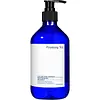 Key Ingredients
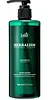
Benefits
Concerns
Ingredients Side-by-side
Water
Skin ConditioningCoco-Betaine
CleansingSodium Surfactin
CleansingSodium Cocoyl Alaninate
Lauryl Glucoside
CleansingDisodium Laureth Sulfosuccinate
CleansingGlycerin
Humectant



Sodium Chloride
Masking


Sodium Lauroyl Methyl Isethionate
CleansingCaprylyl Glycol
Emollient
Cetyl Alcohol
Emollient
Hydroxyacetophenone
Antioxidant

Polyquaternium-10
Citric Acid
Buffering



Menthol
Masking


Guar Hydroxypropyltrimonium Chloride
Skin ConditioningMelaleuca Alternifolia Leaf Oil
Antioxidant

Pentasodium Pentetate
Citrus Paradisi Peel Oil
Masking
Butylene Glycol
Humectant
Acorus Calamus Root Extract
Perfuming
Allium Cepa Bulb Extract
Skin Conditioning
Artemisia Capillaris Extract
Brassica Oleracea Italica Extract
Astringent1,2-Hexanediol
Skin Conditioning
Cnidium Officinale Root Extract
Skin ConditioningHouttuynia Cordata Extract
Skin Conditioning
Cysteine
Antioxidant
Methionine
Skin ConditioningMelaleuca Alternifolia Leaf Extract
Perfuming
Salvia Officinalis Leaf Extract
CleansingCamellia Japonica Flower Extract
EmollientZingiber Officinale Root Extract
Masking
Ethylhexylglycerin
Skin ConditioningWater, Coco-Betaine, Sodium Surfactin, Sodium Cocoyl Alaninate, Lauryl Glucoside, Disodium Laureth Sulfosuccinate, Glycerin, Sodium Chloride, Sodium Lauroyl Methyl Isethionate, Caprylyl Glycol, Cetyl Alcohol, Hydroxyacetophenone, Polyquaternium-10, Citric Acid, Menthol, Guar Hydroxypropyltrimonium Chloride, Melaleuca Alternifolia Leaf Oil, Pentasodium Pentetate, Citrus Paradisi Peel Oil, Butylene Glycol, Acorus Calamus Root Extract, Allium Cepa Bulb Extract, Artemisia Capillaris Extract, Brassica Oleracea Italica Extract, 1,2-Hexanediol, Cnidium Officinale Root Extract, Houttuynia Cordata Extract, Cysteine, Methionine, Melaleuca Alternifolia Leaf Extract, Salvia Officinalis Leaf Extract, Camellia Japonica Flower Extract, Zingiber Officinale Root Extract, Ethylhexylglycerin
Water
Skin ConditioningSodium C14-16 Olefin Sulfonate
Cleansing
Coco-Betaine
CleansingGlycerin
Humectant
Butylene Glycol
Humectant
Decyl Glucoside
CleansingCocamide Mea
EmulsifyingCaprylhydroxamic Acid
Methylpropanediol
SolventCynanchum Atratum Extract
Skin ConditioningGuar Hydroxypropyltrimonium Chloride
Skin ConditioningPanthenol
Skin Conditioning
Salicylic Acid
Masking


Citric Acid
Buffering
Disodium EDTA
Niacinamide
Smoothing


Ethylhexylglycerin
Skin ConditioningArginine
Masking
Leucine
Skin ConditioningTryptophan
MaskingLysine
Skin ConditioningIsoleucine
Skin ConditioningThreonine
Methionine
Skin ConditioningHistidine
Humectant
Asparagine
MaskingAlanine
MaskingProline
Skin ConditioningGlutamic Acid
Humectant
Glutamine
Skin ConditioningGlycine
Buffering
Valine
MaskingPhenylalanine
Masking
Aspartic Acid
Masking
Tyrosine
MaskingSerine
Masking
Cystine
MaskingRehmannia Glutinosa Root Extract
Skin ConditioningCornus Officinalis Fruit Extract
Skin ConditioningDioscorea Japonica Root Extract
Skin ConditioningAlisma Orientale Tuber Extract
Skin ConditioningPoria Cocos Sclerotium Extract
AstringentPaeonia Suffruticosa Root Extract
Skin ProtectingHamamelis Virginiana Leaf Extract
Skin Conditioning
Salvia Officinalis Leaf Extract
CleansingMelissa Officinalis Leaf Extract
Skin ConditioningMentha Piperita Extract
CleansingLavandula Angustifolia Flower Extract
Cleansing
Houttuynia Cordata Extract
Skin Conditioning
Eucalyptus Globulus Leaf Extract
Perfuming
Glycine Max Seed Extract
Skin ConditioningZingiber Officinale Root Extract
Masking
Curcuma Longa Root Extract
Masking
Chlorophyllin-Copper Complex
Antioxidant
Benzyl Benzoate
Antimicrobial
Limonene
Perfuming
Linalool
Perfuming
Parfum
Masking
Water, Sodium C14-16 Olefin Sulfonate, Coco-Betaine, Glycerin, Butylene Glycol, Decyl Glucoside, Cocamide Mea, Caprylhydroxamic Acid, Methylpropanediol, Cynanchum Atratum Extract, Guar Hydroxypropyltrimonium Chloride, Panthenol, Salicylic Acid, Citric Acid, Disodium EDTA, Niacinamide, Ethylhexylglycerin, Arginine, Leucine, Tryptophan, Lysine, Isoleucine, Threonine, Methionine, Histidine, Asparagine, Alanine, Proline, Glutamic Acid, Glutamine, Glycine, Valine, Phenylalanine, Aspartic Acid, Tyrosine, Serine, Cystine, Rehmannia Glutinosa Root Extract, Cornus Officinalis Fruit Extract, Dioscorea Japonica Root Extract, Alisma Orientale Tuber Extract, Poria Cocos Sclerotium Extract, Paeonia Suffruticosa Root Extract, Hamamelis Virginiana Leaf Extract, Salvia Officinalis Leaf Extract, Melissa Officinalis Leaf Extract, Mentha Piperita Extract, Lavandula Angustifolia Flower Extract, Houttuynia Cordata Extract, Eucalyptus Globulus Leaf Extract, Glycine Max Seed Extract, Zingiber Officinale Root Extract, Curcuma Longa Root Extract, Chlorophyllin-Copper Complex, Benzyl Benzoate, Limonene, Linalool, Parfum
Ingredients Explained
These ingredients are found in both products.
Ingredients higher up in an ingredient list are typically present in a larger amount.
Butylene Glycol (or BG) is used within cosmetic products for a few different reasons:
Overall, Butylene Glycol is a safe and well-rounded ingredient that works well with other ingredients.
Though this ingredient works well with most skin types, some people with sensitive skin may experience a reaction such as allergic rashes, closed comedones, or itchiness.
Learn more about Butylene GlycolCitric Acid is an alpha hydroxy acid (AHA) naturally found in citrus fruits like oranges, lemons, and limes.
Like other AHAs, citric acid can exfoliate skin by breaking down the bonds that hold dead skin cells together. This helps reveal smoother and brighter skin underneath.
However, this exfoliating effect only happens at high concentrations (20%) which can be hard to find in cosmetic products.
Due to this, citric acid is usually included in small amounts as a pH adjuster. This helps keep products slightly more acidic and compatible with skin's natural pH.
In skincare formulas, citric acid can:
While it can provide some skin benefits, research shows lactic acid and glycolic acid are generally more effective and less irritating exfoliants.
Most citric acid used in skincare today is made by fermenting sugars (usually from molasses). This synthetic version is identical to the natural citrus form but easier to stabilize and use in formulations.
Read more about some other popular AHA's here:
Learn more about Citric AcidCoco-Betaine is the natural version of Cocamidopropyl Betaine. It is often derived from coconuts.
Coco-Betaine is a surfactant, meaning it helps remove dirt and oil from the skin.
Ethylhexylglycerin (we can't pronounce this either) is commonly used as a preservative and skin softener. It is derived from glyceryl.
You might see Ethylhexylglycerin often paired with other preservatives such as phenoxyethanol. Ethylhexylglycerin has been found to increase the effectiveness of these other preservatives.
Glycerin is already naturally found in your skin. It helps moisturize and protect your skin.
A study from 2016 found glycerin to be more effective as a humectant than AHAs and hyaluronic acid.
As a humectant, it helps the skin stay hydrated by pulling moisture to your skin. The low molecular weight of glycerin allows it to pull moisture into the deeper layers of your skin.
Hydrated skin improves your skin barrier; Your skin barrier helps protect against irritants and bacteria.
Glycerin has also been found to have antimicrobial and antiviral properties. Due to these properties, glycerin is often used in wound and burn treatments.
In cosmetics, glycerin is usually derived from plants such as soybean or palm. However, it can also be sourced from animals, such as tallow or animal fat.
This ingredient is organic, colorless, odorless, and non-toxic.
Glycerin is the name for this ingredient in American English. British English uses Glycerol/Glycerine.
Learn more about GlycerinThis ingredient is derived from guar gum.
It is a conditioning ingredient, meaning it helps soften skin and hair.
Houttuynia Cordata Extract is more commonly known as Heart Leaf, Fish Mint, or Chameleon plant.
The components found in Heart Leaf give it antioxidant, hydrating, antimicrobial, and anti-inflammatory properties.
Heart Leaf is rich in flavonoids such as quercetin, apigenin, and more. It also contains polysaccharides, the most common type of carbs in food.
Flavonoids have been shown to be effective antioxidants. They help neutralize free-radical molecules. Free-radical molecules are unstable molecules that may damage our skin cells and DNA. The flavonoids in Heart Leaf also help soothe the skin.
Polysaccharides are naturally found in our skin. They play a role in hydrating and repairing the top layer of skin. The polysaccharides in Heart Leaf help moisturize our skin.
Studies show decanoyl acetaldehyde, a component of Heart Leaf oil, is effective at killing bacteria.
The name 'Fish Mint' comes from the herb's natural fishy smell. Is is native to southeast Asia and used throughout the continent for traditional cooking and medicine.
Learn more about Houttuynia Cordata ExtractMethionine is an essential amino acid. It is a conditioning agent and commonly found in both skin and hair products.
This amino acid is a precursor to glutathione, a powerful antioxidant.
Fun fact: Methionine can be found in meat, fish, and dairy. It cannot be naturally produce and requires dietary intake.
Learn more about MethionineSage leaf extract is a culinary and medicinal herb with antibacterial, antioxidant, and soothing properties.
This ingredient is made up of 75-90% ursolic acid, a potent antioxidant and anti-inflammatory compound.
Water. It's the most common cosmetic ingredient of all. You'll usually see it at the top of ingredient lists, meaning that it makes up the largest part of the product.
So why is it so popular? Water most often acts as a solvent - this means that it helps dissolve other ingredients into the formulation.
You'll also recognize water as that liquid we all need to stay alive. If you see this, drink a glass of water. Stay hydrated!
Learn more about WaterZingiber Officinale is more commonly known as ginger.
Ginger root has antioxidant, anti-inflammation, and antimicrobial properties.
The antioxidant properties help protect your body from free-radicals. Free-radicals are molecules that may damage your skin cells. As a result, ginger may help slow down signs of aging such as hyperpigmentation and wrinkles.
Studies show ginger inhibits the enzyme that breaks down collagen. It also helps with:
This ingredient has no negative side-effects and is safe to use unless one has a specific allergy to it.
Ginger originates from Southeast Asia but has spread throughout the world. It is now a common spice used in many cultures.
Learn more about Zingiber Officinale Root Extract
