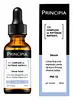
This anti-aging serum is formulated around Palmitoyl Tripeptide-1 and Palmitoyl Tetrapeptide-7 to soften the look of wrinkles and refine skin texture.
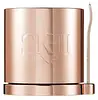
This anti-aging moisturizer is formulated around Galactomyces Ferment Filtrate and Niacinamide to soften the look of wrinkles and strengthen the skin barrier.


What's inside
What's inside
 Key Ingredients
Benefits
Concerns
Ingredients Side-by-side
Water
Skin ConditioningGlycerin
Humectant


Sodium Hyaluronate
Humectant


Butylene Glycol
Humectant
Carbomer
Emulsion StabilisingPolysorbate 20
Emulsifying

Palmitoyl Tripeptide-1
Skin Conditioning

Palmitoyl Tetrapeptide-7
Skin Conditioning
Hydroxypropyl Cyclodextrin
MaskingPalmitoyl Tripeptide-38
Skin Conditioning
Propylene Glycol
Humectant
Phenoxyethanol
Preservative
Caprylyl Glycol
Emollient
Xanthan Gum
EmulsifyingDisodium EDTA
Sodium Hydroxide
BufferingWater
Skin ConditioningGlycerin
Humectant
Galactomyces Ferment Filtrate
Humectant

Niacinamide
Smoothing




Phytosteryl/Behenyl/Octyldodecyl Lauroyl Glutamate
Skin ConditioningEthylhexyl Isononanoate
EmollientButylene Glycol
Humectant
Triethylhexanoin
MaskingNeopentyl Glycol Diethylhexanoate
Emollient
Simmondsia Chinensis Seed Oil
Emollient
Sucrose Polycottonseedate
Emollient
Glyceryl Stearate Se
Emulsifying

Myristyl Myristate
Emollient
Hydrogenated Coco-Glycerides
Emollient
Pentylene Glycol
Skin Conditioning
Sorbitan Stearate
Emulsifying
Myristyl Alcohol
Emollient
PEG-40 Stearate
Emulsifying
Batyl Alcohol
EmollientPolyacrylamide
Benzyl Alcohol
Perfuming




Panthenol
Skin Conditioning
Polysorbate 65
Emulsifying
Tocopheryl Acetate
Antioxidant

Caprylic/Capric Triglyceride
Masking
C13-14 Isoparaffin
Emollient
Methylparaben
Preservative

Hydrogenated Lecithin
Emulsifying
Disodium EDTA
Laureth-7
EmulsifyingCrithmum Maritimum Extract
Skin ConditioningEthylparaben
Preservative
Parfum
Masking
Magnesium Aspartate
Skin ConditioningZinc Gluconate
Skin Conditioning
Sodium Hydroxide
BufferingCamellia Sinensis Leaf Extract
Antimicrobial
Copper Gluconate
Skin Conditioning
Saccharomyces Cerevisiae Extract
Skin Conditioning
Palmitoyl Dipeptide-7
Skin Conditioning
Acetyl Hexapeptide-8
Humectant
Hexapeptide-3
Skin Conditioning
Water, Glycerin, Galactomyces Ferment Filtrate, Niacinamide, Phytosteryl/Behenyl/Octyldodecyl Lauroyl Glutamate, Ethylhexyl Isononanoate, Butylene Glycol, Triethylhexanoin, Neopentyl Glycol Diethylhexanoate, Simmondsia Chinensis Seed Oil, Sucrose Polycottonseedate, Glyceryl Stearate Se, Myristyl Myristate, Hydrogenated Coco-Glycerides, Pentylene Glycol, Sorbitan Stearate, Myristyl Alcohol, PEG-40 Stearate, Batyl Alcohol, Polyacrylamide, Benzyl Alcohol, Panthenol, Polysorbate 65, Tocopheryl Acetate, Caprylic/Capric Triglyceride, C13-14 Isoparaffin, Methylparaben, Hydrogenated Lecithin, Disodium EDTA, Laureth-7, Crithmum Maritimum Extract, Ethylparaben, Parfum, Magnesium Aspartate, Zinc Gluconate, Sodium Hydroxide, Camellia Sinensis Leaf Extract, Copper Gluconate, Saccharomyces Cerevisiae Extract, Palmitoyl Dipeptide-7, Acetyl Hexapeptide-8, Hexapeptide-3
Reviews
Ingredients Explained
These ingredients are found in both products.
Ingredients higher up in an ingredient list are typically present in a larger amount.
Butylene Glycol (or BG) is used within cosmetic products for a few different reasons:
Overall, Butylene Glycol is a safe and well-rounded ingredient that works well with other ingredients.
Though this ingredient works well with most skin types, some people with sensitive skin may experience a reaction such as allergic rashes, closed comedones, or itchiness.
Learn more about Butylene GlycolDisodium EDTA is a chelating agent. It grabs onto and deactivates metal ions that sneak into your products from water, packaging, or air.
This ingredient mainly works behind the scenes and helps with:
On top of that, this ingredient can counteract the effects of hard water by binding to the minerals in it.
One thing worth knowing is that Disodium EDTA has been shown to be a mild penetration enhancer. It can help other ingredients absorb into skin more effectively which can be a double-edged sword (great for actives, but can also make the active too strong if you have sensitive skin).
Clinical patch testing showed no significant skin irritation at typical use concentrations and minimal dermal absorption.
You'll most likely see this ingredient near the end of an ingredient list. It's typically found in concentrations less than 1%.
Learn more about Disodium EDTAGlycerin (or glycerol) is a compound naturally found in your skin. It's a powerhouse humectant that pulls water into the stratum corneum.
Topically, glycerin does several things at once:
Your skin makes glycerin on its own (mostly from sebaceous oil breakdown) and shuttles it to your outermost layer of skin, or your epidermis, via aquaporin-3.
Aquaporin-3 is a transporter that is essential for normal skin hydration, elasticity, and repair. Interestingly, mice lacking in AQP3 have dry and less elastic skin that can be fully corrected with glycerin.
This ingredient is non-irritating, plays well with almost every ingredient, and works across all skin types. Typical use is anywhere between 3-10% but can go up to 79% in some leave-on products.
Just know very high concentrations (>40%) can feel tacky in low humidity.
Glycerin is the name for this ingredient in American English. British English uses Glycerol/Glycerine.
Learn more about GlycerinSodium Hydroxide is also known as lye or caustic soda. It is used to adjust the pH of products; many ingredients require a specific pH to be effective.
In small amounts, sodium hydroxide is considered safe to use. However, large amounts may cause chemical burns due to its high alkaline.
Your skin has a natural pH and acid mantle. This acid mantle helps prevent harmful bacteria from breaking through. The acid mantle also helps keep your skin hydrated.
"Alkaline" refers to a high pH level. A low pH level would be considered acidic.
Learn more about Sodium HydroxideWater. It's the most common cosmetic ingredient of all. You'll usually see it at the top of ingredient lists, meaning that it makes up the largest part of the product.
So why is it so popular? Water most often acts as a solvent - this means that it helps dissolve other ingredients into the formulation.
You'll also recognize water as that liquid we all need to stay alive. If you see this, drink a glass of water. Remember to stay hydrated!
Learn more about Water

