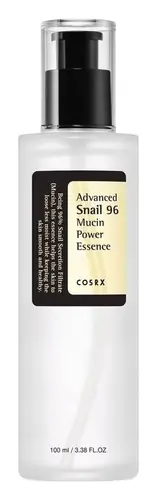
This smoothing toner is formulated around Glycolic Acid and Aloe Barbadensis Leaf Juice to refine skin texture and brighten dull-looking skin.
This smoothing essence is formulated around Gluconolactone and Phytic Acid to refine skin texture and brighten dull-looking skin.

What's inside
What's inside
 Key Ingredients
Benefits
Concerns
Ingredients Side-by-side
Water
Skin ConditioningGlycolic Acid
Buffering











Sodium Hydroxide
BufferingButylene Glycol
Humectant

Glycerin
Humectant
Aloe Barbadensis Leaf Juice
Skin Conditioning

Hamamelis Virginiana Water
Astringent

Aesculus Hippocastanum Seed Extract
Skin ConditioningHexylene Glycol
EmulsifyingFructose
Humectant
Glucose
Humectant
Sucrose
Humectant
Urea
Buffering
Dextrin
AbsorbentAlanine
Masking
Glutamic Acid
Humectant
Aspartic Acid
Masking
Hexyl Nicotinate
EmollientPanax Ginseng Root Extract
Emollient
Ethylhexylglycerin
Skin ConditioningDisodium EDTA
ChelatingBiotin
AntiseborrhoeicPanthenol
Skin Conditioning
PPG-26-Buteth-26
Skin ConditioningPEG-40 Hydrogenated Castor Oil
Emulsifying

Phenoxyethanol
Preservative
Parfum
Masking

Caramel
Cosmetic ColorantBenzyl Benzoate
Antimicrobial
Citral
Perfuming
Citronellol
Perfuming
Coumarin
Perfuming
Geraniol
Perfuming
Hexyl Cinnamal
Perfuming
Hydroxycitronellal
Perfuming
Limonene
Perfuming
Linalool
Perfuming
CI 14700
Cosmetic ColorantWater, Glycolic Acid, Sodium Hydroxide, Butylene Glycol, Glycerin, Aloe Barbadensis Leaf Juice, Hamamelis Virginiana Water, Aesculus Hippocastanum Seed Extract, Hexylene Glycol, Fructose, Glucose, Sucrose, Urea, Dextrin, Alanine, Glutamic Acid, Aspartic Acid, Hexyl Nicotinate, Panax Ginseng Root Extract, Ethylhexylglycerin, Disodium EDTA, Biotin, Panthenol, PPG-26-Buteth-26, PEG-40 Hydrogenated Castor Oil, Phenoxyethanol, Parfum, Caramel, Benzyl Benzoate, Citral, Citronellol, Coumarin, Geraniol, Hexyl Cinnamal, Hydroxycitronellal, Limonene, Linalool, CI 14700
Water
Skin ConditioningGlycerin
Humectant
Gluconolactone
Chelating
Lactobacillus/Wasabia Japonica Root Ferment Extract
Antioxidant
Phytic Acid
Chelating
Sodium Hydroxide
BufferingPotassium Sorbate
Preservative
Xanthan Gum
EmulsifyingSodium Benzoate
Masking
Salicylic Acid
Masking
Caesalpinia Spinosa Gum
Skin ConditioningPaeonia Lactiflora Root Extract
Skin ConditioningPapain
Skin Conditioning
Citric Acid
Buffering
Sodium Hyaluronate
Humectant
Hydrolyzed Rice Protein
Skin ConditioningMaltodextrin
Absorbent
1,2-Hexanediol
Skin Conditioning
Caprylyl Glycol
Emollient
Carbomer
Emulsion StabilisingN-Hydroxysuccinimide
Skin ConditioningCamellia Sinensis Leaf Extract
Antimicrobial
Hydrogenated Lecithin
Emulsifying
Tocopheryl Acetate
Antioxidant
Algin
MaskingAlanyl Glutamine
HumectantArginine
Masking
Oligopeptide-177

Phenylalanine
Masking
Sisymbrium Irio Seed Oil
Masking
Sodium Chloride
MaskingWater, Glycerin, Gluconolactone, Lactobacillus/Wasabia Japonica Root Ferment Extract, Phytic Acid, Sodium Hydroxide, Potassium Sorbate, Xanthan Gum, Sodium Benzoate, Salicylic Acid, Caesalpinia Spinosa Gum, Paeonia Lactiflora Root Extract, Papain, Citric Acid, Sodium Hyaluronate, Hydrolyzed Rice Protein, Maltodextrin, 1,2-Hexanediol, Caprylyl Glycol, Carbomer, N-Hydroxysuccinimide, Camellia Sinensis Leaf Extract, Hydrogenated Lecithin, Tocopheryl Acetate, Algin, Alanyl Glutamine, Arginine, Oligopeptide-177, Phenylalanine, Sisymbrium Irio Seed Oil, Sodium Chloride
Reviews
Alternatives
Ingredients Explained
These ingredients are found in both products.
Ingredients higher up in an ingredient list are typically present in a larger amount.
Glycerin (or glycerol) is a compound naturally found in your skin. It's a powerhouse humectant that pulls water into the stratum corneum.
Topically, glycerin does several things at once:
Your skin makes glycerin on its own (mostly from sebaceous oil breakdown) and shuttles it to your outermost layer of skin, or your epidermis, via aquaporin-3.
Aquaporin-3 is a transporter that is essential for normal skin hydration, elasticity, and repair. Interestingly, mice lacking in AQP3 have dry and less elastic skin that can be fully corrected with glycerin.
This ingredient is non-irritating, plays well with almost every ingredient, and works across all skin types. Typical use is anywhere between 3-10% but can go up to 79% in some leave-on products.
Just know very high concentrations (>40%) can feel tacky in low humidity.
Glycerin is the name for this ingredient in American English. British English uses Glycerol/Glycerine.
Learn more about GlycerinSodium Hydroxide is also known as lye or caustic soda. It is used to adjust the pH of products; many ingredients require a specific pH to be effective.
In small amounts, sodium hydroxide is considered safe to use. However, large amounts may cause chemical burns due to its high alkaline.
Your skin has a natural pH and acid mantle. This acid mantle helps prevent harmful bacteria from breaking through. The acid mantle also helps keep your skin hydrated.
"Alkaline" refers to a high pH level. A low pH level would be considered acidic.
Learn more about Sodium HydroxideWater. It's the most common cosmetic ingredient of all. You'll usually see it at the top of ingredient lists, meaning that it makes up the largest part of the product.
So why is it so popular? Water most often acts as a solvent - this means that it helps dissolve other ingredients into the formulation.
You'll also recognize water as that liquid we all need to stay alive. If you see this, drink a glass of water. Remember to stay hydrated!
Learn more about Water