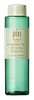
This brightening toner is formulated around Niacinamide and Magnesium Ascorbyl Phosphate to brighten dull-looking skin and strengthen the skin barrier.
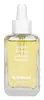
This calming ampoule is formulated around Houttuynia Cordata Extract and Propolis Extract to calm redness.


What's inside
What's inside
 Key Ingredients
Benefits
Concerns
Ingredients Side-by-side
Water
Skin ConditioningBetula Alba Bark Water
Skin ConditioningPropanediol
Solvent

Glycerin
Humectant
Fragaria Vesca Fruit Extract
AstringentVaccinium Angustifolium Fruit Extract
Skin Protecting
Vaccinium Vitis-Idaea Fruit Extract
Antioxidant
Rubus Chamaemorus Fruit Extract
Antioxidant
Hedychium Coronarium Root Extract
MaskingNiacinamide
Smoothing








Magnesium Ascorbyl Phosphate
Antioxidant
Sodium Hyaluronate
Humectant
Maris Aqua
HumectantCeramide NP
Skin Conditioning
Betaine
Humectant
Panthenol
Skin Conditioning
Lactobacillus Ferment Lysate Filtrate
Skin ConditioningLeuconostoc/Radish Root Ferment Filtrate
Antimicrobial

Populus Tremuloides Bark Extract
AntiseborrhoeicSodium PCA
Humectant
Polyglyceryl-4 Caprate
EmulsifyingPolyglyceryl-6 Caprylate
EmulsifyingCellulose Gum
Emulsion StabilisingAlgin
Masking

Tetrasodium Glutamate Diacetate
Sodium Citrate
BufferingCitric Acid
Buffering
Potassium Sorbate
Preservative
Sodium Benzoate
Masking
Tocopheryl Acetate
Antioxidant
Ethylhexylglycerin
Skin Conditioning1,2-Hexanediol
Skin Conditioning
Phenoxyethanol
Preservative
Water, Betula Alba Bark Water, Propanediol, Glycerin, Fragaria Vesca Fruit Extract, Vaccinium Angustifolium Fruit Extract, Vaccinium Vitis-Idaea Fruit Extract, Rubus Chamaemorus Fruit Extract, Hedychium Coronarium Root Extract, Niacinamide, Magnesium Ascorbyl Phosphate, Sodium Hyaluronate, Maris Aqua, Ceramide NP, Betaine, Panthenol, Lactobacillus Ferment Lysate Filtrate, Leuconostoc/Radish Root Ferment Filtrate, Populus Tremuloides Bark Extract, Sodium PCA, Polyglyceryl-4 Caprate, Polyglyceryl-6 Caprylate, Cellulose Gum, Algin, Tetrasodium Glutamate Diacetate, Sodium Citrate, Citric Acid, Potassium Sorbate, Sodium Benzoate, Tocopheryl Acetate, Ethylhexylglycerin, 1,2-Hexanediol, Phenoxyethanol
Houttuynia Cordata Extract
Skin Conditioning
Propolis Extract
Skin Conditioning
Glycerin
Humectant
Propanediol
Solvent
Isopentyldiol
Humectant
1,2-Hexanediol
Skin Conditioning
Water
Skin ConditioningSodium Hyaluronate
Humectant
Ocimum Sanctum Leaf Extract
Skin ConditioningCorallina Officinalis Extract
Skin Conditioning
Portulaca Oleracea Extract
Skin Conditioning
Punica Granatum Fruit Extract
Antioxidant
Hamamelis Virginiana Extract
Antiseborrhoeic

Melia Azadirachta Flower Extract
Skin ConditioningPanthenol
Skin Conditioning
Perilla Frutescens Extract
Skin ConditioningCurcuma Longa Root Extract
Antioxidant
Lactobacillus Ferment
Skin Conditioning
Melia Azadirachta Leaf Extract
Skin ConditioningButylene Glycol
Humectant
Ammonium Acryloyldimethyltaurate/Vp Copolymer
Betaine
Humectant
Xanthan Gum
EmulsifyingEthylhexylglycerin
Skin ConditioningDisodium EDTA
Zinc PCA
Humectant
Pantolactone
Humectant
Houttuynia Cordata Extract, Propolis Extract, Glycerin, Propanediol, Isopentyldiol, 1,2-Hexanediol, Water, Sodium Hyaluronate, Ocimum Sanctum Leaf Extract, Corallina Officinalis Extract, Portulaca Oleracea Extract, Punica Granatum Fruit Extract, Hamamelis Virginiana Extract, Melia Azadirachta Flower Extract, Panthenol, Perilla Frutescens Extract, Curcuma Longa Root Extract, Lactobacillus Ferment, Melia Azadirachta Leaf Extract, Butylene Glycol, Ammonium Acryloyldimethyltaurate/Vp Copolymer, Betaine, Xanthan Gum, Ethylhexylglycerin, Disodium EDTA, Zinc PCA, Pantolactone
Reviews
Ingredients Explained
These ingredients are found in both products.
Ingredients higher up in an ingredient list are typically present in a larger amount.
1,2-Hexanediol is a synthetic liquid and another multi-functional powerhouse.
It is a:
- Humectant, drawing moisture into the skin
- Emollient, helping to soften skin
- Solvent, dispersing and stabilizing formulas
- Preservative booster, enhancing the antimicrobial activity of other preservatives
Betaine is a humectant. Like hyaluronic acid, it helps attract and retain moisture in the skin. It’s known for being gentle and for helping the skin maintain balanced hydration.
Betaine is mainly used to improve hydration and support calmer skin. It helps skin cells regulate water balance because it functions as an osmolyte.
Some studies suggest betaine may support making skin tone more even.
Fun fact: Betaine naturally exists in the skin and the body. In cosmetic products, it can be either plant-derived (most commonly from sugar beets) or synthetically produced for consistency and stability.
Betaine is also known as trimethylglycine.
Learn more about BetaineEthylhexylglycerin is created from glycerin. It is a multitasker ingredient that:
The CIR Expert Panel found minimal skin absorption or sensitization of any kind in a safety assessment. Though this ingredient is considered well-tolerated, a small number of cases of allergic dermatitis have been published since 2002. Just be sure to patch test if you are unsure.
Industry-reported use ranges from 8% in rinse-off products and 2% in leave-on formulations.
Learn more about EthylhexylglycerinGlycerin (or glycerol) is a compound naturally found in your skin. It's a powerhouse humectant that pulls water into the stratum corneum.
Topically, glycerin does several things at once:
Your skin makes glycerin on its own (mostly from sebaceous oil breakdown) and shuttles it to your outermost layer of skin, or your epidermis, via aquaporin-3.
Aquaporin-3 is a transporter that is essential for normal skin hydration, elasticity, and repair. Interestingly, mice lacking in AQP3 have dry and less elastic skin that can be fully corrected with glycerin.
This ingredient is non-irritating, plays well with almost every ingredient, and works across all skin types. Typical use is anywhere between 3-10% but can go up to 79% in some leave-on products.
Just know very high concentrations (>40%) can feel tacky in low humidity.
Glycerin is the name for this ingredient in American English. British English uses Glycerol/Glycerine.
Learn more about GlycerinPanthenol is a common ingredient that helps hydrate and soothe the skin. It is found naturally in our skin and hair.
There are two forms of panthenol: D and L.
D-panthenol is also known as dexpanthenol. Most cosmetics use dexpanthenol or a mixture of D and L-panthenol.
Panthenol is famous due to its ability to go deeper into the skin's layers. Using this ingredient has numerous pros (and no cons):
Like hyaluronic acid, panthenol is a humectant. Humectants are able to bind and hold large amounts of water to keep skin hydrated.
This ingredient works well for wound healing. It works by increasing tissue in the wound and helps close open wounds.
Once oxidized, panthenol converts to pantothenic acid. Panthothenic acid is found in all living cells.
This ingredient is also referred to as pro-vitamin B5.
Learn more about PanthenolPropanediol is an all-star ingredient. It softens, hydrates, and smooths the skin.
It’s often used to:
Propanediol is not likely to cause sensitivity and considered safe to use. It is derived from corn or petroleum with a clear color and no scent.
Learn more about PropanediolSodium Hyaluronate is the salt form of hyaluronic acid. It is a long sugar chain that is naturally found in your skin, joints, and connective tissue that maintains hydration and elasticity.
In skincare, it works as a humectant. It pulls water from the environment and deeper layers of skin and binds it to the surface.
Interestingly, the size of the molecule affects its behavior:
Some clinical evidence links low molecular weight versions to improved wrinkle depth, elasticity, anti-inflammatory effects, and barrier repair.
Many serums use a blend of both weights so you can get surface hydration plus longer-lasting and deeper effects.
You'll typically see concentrations between 0.1-2% for this ingredient.
Learn more about Sodium HyaluronateWater. It's the most common cosmetic ingredient of all. You'll usually see it at the top of ingredient lists, meaning that it makes up the largest part of the product.
So why is it so popular? Water most often acts as a solvent - this means that it helps dissolve other ingredients into the formulation.
You'll also recognize water as that liquid we all need to stay alive. If you see this, drink a glass of water. Remember to stay hydrated!
Learn more about Water

