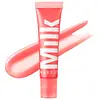
This lip moisturizer is formulated around Zinc Gluconate and Copper Gluconate to fight breakouts and support scar healing.
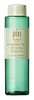
This brightening toner is formulated around Niacinamide and Magnesium Ascorbyl Phosphate to brighten dull-looking skin and strengthen the skin barrier.


What's inside
What's inside
 Key Ingredients
Benefits
Concerns
Ingredients Side-by-side
Polybutene
Silica Dimethyl Silylate
EmollientMagnesium Aspartate
Skin ConditioningZinc Gluconate
Skin Conditioning



Copper Gluconate
Skin Conditioning
Musa Paradisiaca Fruit Juice
Skin ConditioningAloe Barbadensis Leaf Extract
Emollient


Cocos Nucifera Fruit Extract
Emollient


Helianthus Annuus Seed Oil
Emollient


Tocopherol
Antioxidant





Glycerin
Humectant
Sodium Saccharin
MaskingWater
Skin ConditioningLactic Acid
Buffering


Potassium Sorbate
Preservative
Sodium Benzoate
Masking
Phenoxyethanol
Preservative
Aroma


Vanillin
Masking
CI 77891
Cosmetic ColorantCI 15850
Cosmetic ColorantCI 19140
Cosmetic ColorantPolybutene, Silica Dimethyl Silylate, Magnesium Aspartate, Zinc Gluconate, Copper Gluconate, Musa Paradisiaca Fruit Juice, Aloe Barbadensis Leaf Extract, Cocos Nucifera Fruit Extract, Helianthus Annuus Seed Oil, Tocopherol, Glycerin, Sodium Saccharin, Water, Lactic Acid, Potassium Sorbate, Sodium Benzoate, Phenoxyethanol, Aroma, Vanillin, CI 77891, CI 15850, CI 19140
Water
Skin ConditioningBetula Alba Bark Water
Skin ConditioningPropanediol
Solvent
Glycerin
Humectant
Fragaria Vesca Fruit Extract
AstringentVaccinium Angustifolium Fruit Extract
Skin Protecting
Vaccinium Vitis-Idaea Fruit Extract
Antioxidant
Rubus Chamaemorus Fruit Extract
Antioxidant
Hedychium Coronarium Root Extract
MaskingNiacinamide
Smoothing
Magnesium Ascorbyl Phosphate
Antioxidant
Sodium Hyaluronate
Humectant
Maris Aqua
HumectantCeramide NP
Skin Conditioning
Betaine
Humectant
Panthenol
Skin Conditioning
Lactobacillus Ferment Lysate Filtrate
Skin ConditioningLeuconostoc/Radish Root Ferment Filtrate
Antimicrobial
Populus Tremuloides Bark Extract
AntiseborrhoeicSodium PCA
Humectant
Polyglyceryl-4 Caprate
EmulsifyingPolyglyceryl-6 Caprylate
EmulsifyingCellulose Gum
Emulsion StabilisingAlgin
MaskingTetrasodium Glutamate Diacetate
ChelatingSodium Citrate
BufferingCitric Acid
Buffering
Potassium Sorbate
Preservative
Sodium Benzoate
Masking
Tocopheryl Acetate
Antioxidant
Ethylhexylglycerin
Skin Conditioning1,2-Hexanediol
Skin Conditioning
Phenoxyethanol
Preservative
Water, Betula Alba Bark Water, Propanediol, Glycerin, Fragaria Vesca Fruit Extract, Vaccinium Angustifolium Fruit Extract, Vaccinium Vitis-Idaea Fruit Extract, Rubus Chamaemorus Fruit Extract, Hedychium Coronarium Root Extract, Niacinamide, Magnesium Ascorbyl Phosphate, Sodium Hyaluronate, Maris Aqua, Ceramide NP, Betaine, Panthenol, Lactobacillus Ferment Lysate Filtrate, Leuconostoc/Radish Root Ferment Filtrate, Populus Tremuloides Bark Extract, Sodium PCA, Polyglyceryl-4 Caprate, Polyglyceryl-6 Caprylate, Cellulose Gum, Algin, Tetrasodium Glutamate Diacetate, Sodium Citrate, Citric Acid, Potassium Sorbate, Sodium Benzoate, Tocopheryl Acetate, Ethylhexylglycerin, 1,2-Hexanediol, Phenoxyethanol
Reviews
Alternatives
Ingredients Explained
These ingredients are found in both products.
Ingredients higher up in an ingredient list are typically present in a larger amount.
Glycerin (or glycerol) is a compound naturally found in your skin. It's a powerhouse humectant that pulls water into the stratum corneum.
Topically, glycerin does several things at once:
Your skin makes glycerin on its own (mostly from sebaceous oil breakdown) and shuttles it to your outermost layer of skin, or your epidermis, via aquaporin-3.
Aquaporin-3 is a transporter that is essential for normal skin hydration, elasticity, and repair. Interestingly, mice lacking in AQP3 have dry and less elastic skin that can be fully corrected with glycerin.
This ingredient is non-irritating, plays well with almost every ingredient, and works across all skin types. Typical use is anywhere between 3-10% but can go up to 79% in some leave-on products.
Just know very high concentrations (>40%) can feel tacky in low humidity.
Glycerin is the name for this ingredient in American English. British English uses Glycerol/Glycerine.
Learn more about GlycerinPhenoxyethanol is one of the most widely used preservatives in skincare (and for good reason!).
It has a large spectrum of antimicrobial activity and especially effective bacteria, yeast, and mold while only having a weak effect on your skin's natural microbiome.
On a cellular level, it disrupts the cell membranes of microbes by poking holes that make the cell leak. This shuts down the chemical reactions the microbe needs to make energy so it can no longer survive.
Another perk of this ingredient is that it stays functional across a wide pH range (3-10).
You'll often see it paired with boosters like Ethylhexylglycerin; one study showed that a 1:9 ratio of Ethylhexylglycerin to Phenoxyethanol damages bacterial membranes as effectively as doubling the Phenoxyethanol concentration on its own.
Typical use concentrations range from 0.3-1% depending on the formula, and this ingredient is capped at 1% int the EU.
Safety-wise, the fear mongering does not hold up to the evidence. The EU's Scientific Committee on Consumer Safety and FDA consider it safe as a preservative at up to 1%, including for children of all ages.
Adverse systemic effects only showed up in animal studies at exposures roughly 200x higher than what people get from cosmetics. And despite its very widespread use, this ingredient is a rare sensitizer and allergic reactions are uncommon.
Learn more about PhenoxyethanolPotassium sorbate is a gentle and widely used preservative that helps keep water-based products free of mold and yeast.
It's the salt form of sorbic acid, a compound found naturally in rowan berries though the cosmetic version is made in a lab.
Once inside a formula, it turns into sorbic acid, which does the actual preserving. It works best in slightly acidic products and isn't great against bacteria alone so you'll usually see it teamed up with other preservatives like Sodium Benzoate.
Typical use at around 1% or less, and the EU caps it at 0.6 percent. The Cosmetic Ingredient Review Panel has concluded it's safe as used in cosmetics and it's also a common food preservative.
Potassium sorbate has a pretty good safety record on skin. Formulas with up to 0.5% were not irritating or sensitizing in human testing, and true allergies are rare.
Irritation or sensitization can happen mostly with medicated creams used on broken skin.
Definitely avoid Potassium Sorbate if you're allergic to Sorbic Acid, since they're essentially the same thing on skin.
There is a known harmless and short-lived reaction where some people may notice brief redness or itching right after applying. Just know this is common and not a sign of allergy.
Learn more about Potassium SorbateSodium Benzoate is a preservative. It's used in both cosmetic and food products to inhibit the growth of mold and bacteria. It is typically produced synthetically.
Both the US FDA and EU Health Committee have approved the use of sodium benzoate. In the US, levels of 0.1% (of the total product) are allowed.
Sodium benzoate works as a preservative by inhibiting the growth of bacteria inside of cells. It prevents the cell from fermenting a type of sugar using an enzyme called phosphofructokinase.
It is the salt of benzoic acid. Foods containing sodium benzoate include soda, salad dressings, condiments, fruit juices, wines, and snack foods.
Studies for using ascorbic acid and sodium benzoate in cosmetics are lacking, especially in skincare routines with multiple steps.
We always recommend speaking with a professional, such as a dermatologist, if you have any concerns.
Learn more about Sodium BenzoateWater. It's the most common cosmetic ingredient of all. You'll usually see it at the top of ingredient lists, meaning that it makes up the largest part of the product.
So why is it so popular? Water most often acts as a solvent - this means that it helps dissolve other ingredients into the formulation.
You'll also recognize water as that liquid we all need to stay alive. If you see this, drink a glass of water. Remember to stay hydrated!
Learn more about Water

